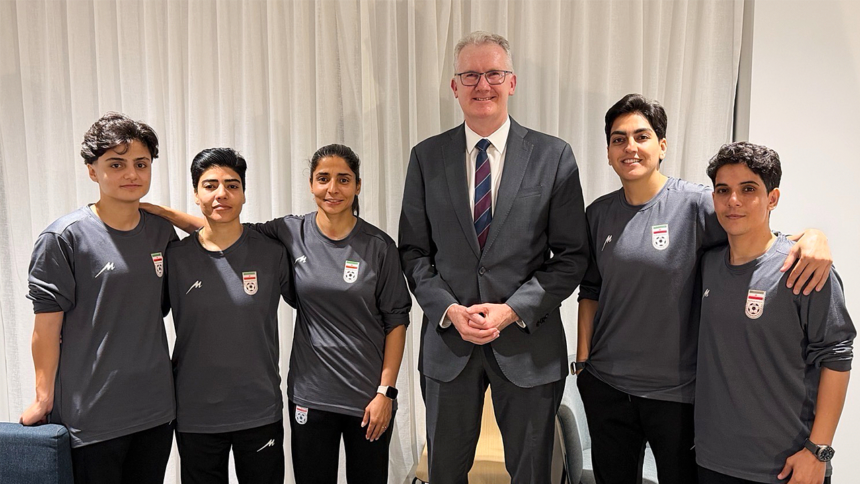
21 Iranian Women’s Soccer Players Face Agonizing Choice After Teammates Granted Asylum in Australia
In a quiet hotel room in Australia, 21 athletes are living a reality where the beautiful game collides with the brutal weight of geopolitics. The fate of these members of Iran’s women’s national soccer team hangs in a painful limbo, following the news that five of their teammates were granted asylum overnight. This unfolding drama, set against the backdrop of a simmering conflict between Iran and the U.S.-Israel alliance, transcends sports. It is a stark human story of choice, fear, and the quest for freedom, forcing each woman to weigh the love of country and family against the peril of returning to a homeland on edge.
A Tournament Overshadowed by War
The team arrived in Australia for an international tournament under normal circumstances, carrying the hopes of a nation and the pride of representing Iran on the global stage. That normalcy shattered on February 28, when U.S.-Israeli attacks against Iran began. Suddenly, the athletes were not just competitors abroad; they were citizens of a nation thrust into a direct and dangerous conflict. The soccer pitch was replaced by a geopolitical arena, and their return flight home became a question mark.
An official roster lists 26 players, along with coaches and support staff. As news of the conflict dominated headlines, the team’s focus inevitably shifted from tactics and training to security and survival. The situation reached a critical point when Australian federal police, in a discreet overnight operation, transported five players to a secure location to finalize humanitarian visas. This decisive action by Australian authorities confirmed the players’ fears and presented a monumental choice to those left behind.
Key Facts of the Situation:
- Team Composition: 26 players, coaches, and staff originally traveled to Australia.
- Trigger Event: U.S.-Israeli attacks on Iran commenced February 28, after the team’s arrival.
- Current Status: 5 players granted asylum; 21 players, plus staff, remain, deciding their next move.
- Official Offer: Australian Home Affairs Minister Tony Burke stated the asylum offer was extended to everyone on the team, not just the five who initially accepted.
The Weight of the Decision: Country, Family, and Future
For the 21 women still contemplating their future, the decision is agonizingly complex. It is a calculus of personal risk, familial duty, and professional aspiration. Returning to Iran means facing a country “still reeling from war,” as reports state, where the socio-political climate, especially for women, is intensely restrictive. Female athletes in Iran have long navigated a system of stringent control, from mandatory hijab laws to limitations on their public presence and support.
Choosing asylum, however, is not simply an escape to freedom. It is a potentially permanent rupture. It means leaving behind family who may face scrutiny or reprisal. It means abandoning careers, homes, and a national identity tied to the very jersey they wore with pride. The mental toll of this choice—made under the global media spotlight—is immense. The solidarity of the team has been fractured by circumstance, with a small group securing a new path while the majority must now confront their vulnerability collectively and individually.
This moment is a microcosm of the broader tensions within Iran, particularly for its women. The courage required to pull on a national team jersey in defiance of societal restrictions is now matched by the courage required to potentially take it off for the last time in pursuit of basic freedoms. Their dilemma underscores how sports and politics are inextricably linked, especially for athletes from nations in crisis.
Geopolitical Echoes and the Global Stage
The plight of these athletes cannot be separated from the high-stakes conflict unfolding between their government and Western powers. The timing is cruelly coincidental yet profoundly consequential. As the players deliberated, the human cost of the conflict was being felt thousands of miles away. On programs like ‘Hannity,’ discussions centered on Vice President JD Vance attending the dignified transfer of the seventh U.S. soldier killed in the conflict, a somber reminder of the escalating violence.
This parallel narrative highlights the vast human spectrum of war: from the solemn ceremonies for fallen soldiers to the quiet desperation of athletes seeking refuge. The Australian government’s offer of asylum is both a humanitarian gesture and a subtle political statement, aligning with Western critiques of Iran’s human rights record. For Iran, the defection—or potential mass defection—of a national sports team is a profound embarrassment and a propaganda setback, portraying a nation its own citizens, even celebrated ones, might fear to re-enter.
The situation places Australia in a delicate diplomatic position, balancing its immigration policies with international relations. By confirming the offer was universal, Minister Burke has placed the onus squarely on the individual athletes, allowing Australia to uphold its humanitarian principles while navigating the complex diplomacy of accepting nationals from a state with which it is not formally at war.
Expert Analysis: What Comes Next?
As a sports journalist, I have covered transfers, retirements, and career-ending injuries, but never a story where the choice is so fundamentally about human security. The path forward is shrouded in uncertainty, but several scenarios are plausible:
Potential Outcomes:
- Gradual Asylum Requests: The remaining 21 may not decide as a bloc. We could see a trickle of individual or small-group applications in the coming days and weeks as players consult with families and assess the evolving situation in Iran.
- Pressure from Tehran: The Iranian government will likely exert immense pressure, both publicly and privately, for the team’s return. Promises, threats, or appeals to national pride may be deployed to prevent a further exodus.
- Career in Exile: For those granted asylum, the journey is just beginning. Building a new life and potentially continuing soccer careers in Australia or elsewhere presents its own daunting challenges, from language barriers to securing spots on professional teams.
- A Symbolic Return: Some may choose to return, becoming symbols of resilience or tools for state propaganda. Their reception in Iran will be closely watched by human rights organizations worldwide.
This event will undoubtedly have a chilling effect on Iran’s willingness to send national teams, particularly women’s teams, abroad for the foreseeable future. It represents a catastrophic failure of trust from the state’s perspective. For global sports bodies like FIFA, it raises urgent ethical questions about safeguarding athletes from nations in turmoil during international competitions.
A Conclusion Beyond the Final Whistle
The story of these 26 women is more than a sports headline; it is a profound human drama written by the hand of international conflict. Their choice—between the known dangers of home and the unknown challenges of exile—epitomizes the personal fractures caused by geopolitical strife. The five who have taken asylum have chosen a path of immense courage and uncertainty. For the 21 who remain, the hotel room deliberations continue, each woman grappling with a decision that will define her life far beyond the soccer field.
This incident will leave a permanent mark. It exposes the fragile premise that athletes can simply be apolitical representatives of their nation. When the flags and anthems are set aside, they are individuals with fears, aspirations, and a right to safety. As the world watches, the ultimate result of this “tournament” will not be recorded on a scoreboard, but in the lives of these women and the message their collective decision sends about liberty, loyalty, and the high price of both. Their next move, whether onto a plane to Tehran or into a new life in Australia, will be the most significant of their careers.
Source: Based on news from Fox Sports.