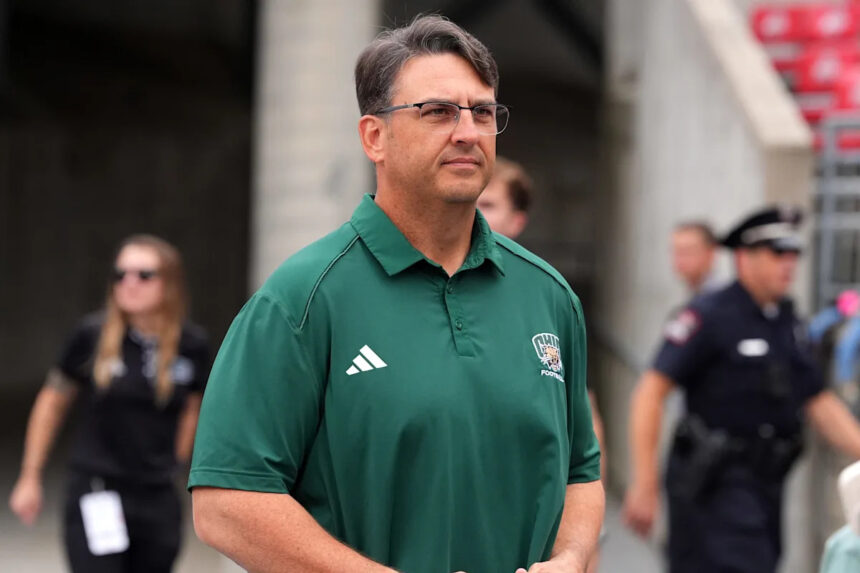
Ohio Fires Football Coach Brian Smith For Cause After Tumultuous Single Season
In a stunning and abrupt move that sends shockwaves through the Mid-American Conference and the broader college football landscape, Ohio University has terminated first-year head football coach Brian Smith for cause. The announcement, made just two days before the start of the College Football Playoff, abruptly ends a brief and chaotic tenure in Athens and opens a critical leadership vacuum for the Bobcats program. The university cited “serious professional misconduct” as the reason, casting an immediate pall over a hire that was once celebrated as a new beginning.
A Swift and Unceremonious End to the Brian Smith Era
The firing on Wednesday, December 17, was the final, definitive stroke in a saga marked by uncertainty and administrative mystery. Smith’s ouster did not occur in a vacuum; it was the culmination of a rapid sequence of troubling events. Just two weeks prior, the university had placed Smith on administrative leave for an “undetermined period of time,” offering no public explanation. This silence fueled rampant speculation across the college football community.
The situation grew even more bizarre when, as reported by USA TODAY, it was revealed Smith had been operating for a significant portion of the season without a formal contract. This unprecedented scenario raised immediate red flags about the stability and oversight of the program’s most important position. The appearance of a contract shortly after the report did little to quell concerns, instead painting a picture of a relationship already in severe distress. The university’s statement on the firing was blunt, stating Smith had “violated the terms of his employment agreement by engaging in serious professional misconduct and participating in activities that reflect unfavorably on the University.”
The “for cause” designation is a critical legal and financial distinction. It means the university believes it has grounds to fire Smith without owing him the remaining buyout money on his contract, a move that suggests the allegations are substantial and well-documented. This is not a simple parting of ways or a performance-based decision; it is an administrative expulsion.
Analyzing the Fallout: Institutional Damage and Program Peril
From a journalistic and institutional perspective, this episode represents a catastrophic failure on multiple levels. The hiring of a head football coach is one of the most consequential decisions a university’s athletic department makes. The process is meant to be exhaustive, involving deep background checks, reference vetting, and alignment of values. The fact that this union disintegrated so completely and so quickly suggests a profound breakdown in that process.
Expert analysis points to several immediate and damaging consequences for Ohio Football:
- Recruiting Crisis: The 2025 recruiting class is now in jeopardy. High school commits, who chose Ohio largely based on their relationship with Smith and his staff, are likely to reconsider. The transfer portal, now open, becomes a major threat as current players may seek stability elsewhere.
- Staffing Exodus: Assistant coaches, many of whom Smith brought with him, face an uncertain future. A new head coach will typically want to assemble their own staff, leaving the current assistants in professional limbo.
- Institutional Reputation: The “activities that reflect unfavorably on the University” clause is a public relations nightmare. It invites speculation and damages the brand of Ohio University beyond athletics, affecting alumni relations and donor confidence.
- Competitive Setback: The Bobcats now must embark on a late-cycle coaching search while their MAC rivals are preparing for offseason conditioning and roster consolidation. This puts Ohio at a significant competitive disadvantage for the 2025 season.
The central question now shifts from Smith’s actions to the accountability of the administration that hired him. How did due diligence fail so spectacularly? What were the specific “professional misconduct” allegations, and when did the university become aware of them? The lack of transparency, while legally prudent, erodes trust.
The Road Ahead: Navigating a Critical Coaching Search
Ohio Athletic Director Julie Cromer now faces the most critical hire of her tenure. The search must be swift, but more importantly, it must be impeccably thorough. The program cannot afford another misstep. Expect the search committee to prioritize several key attributes:
- Proven Program Culture Builder: After a scandal, the emphasis will be on character, discipline, and a clean track record. A CEO-type who can stabilize the locker room and restore internal trust is paramount.
- MAC Experience or Ties: A candidate familiar with the unique challenges and recruiting landscape of the Mid-American Conference would provide a quicker path to stability. This could point to a current MAC coordinator or a former head coach in the league.
- Commitment to Transparency: The new coach must be willing to work within a framework of heightened administrative oversight, at least initially, to rebuild institutional confidence.
Potential candidate predictions will likely include a mix of rising Group of Five coordinators, such as a top assistant from Toledo or Miami (OH), and perhaps even a “safe” veteran coach looking for a reboot. The pool will be inherently different than it was a year ago; the allure of the job is now tempered by the recent chaos, but the opportunity to be a program savior remains.
Conclusion: A Sobering Reminder in the Coaching Carousel
The firing of Brian Smith for cause is more than a headline in the daily churn of the coaching carousel. It is a sobering case study in institutional risk, the perils of a flawed hiring process, and the fragile nature of building a college football program. While the specific details of Smith’s misconduct may remain shrouded in confidentiality agreements, the outcome is brutally clear: a program set back years, a roster left in doubt, and a fanbase grappling with disappointment and embarrassment.
For Ohio University, the path forward is arduous. The upcoming coaching search is not just about finding a leader for the football team; it is an act of institutional repair. The right hire can begin to heal wounds and chart a new course. The wrong hire—or another scandal—could cement a long era of irrelevance. In the high-stakes world of college athletics, where reputation is currency, the Bobcats have just suffered a devastating loss. The recovery begins now, not on the field, but in the athletic director’s office, under the glaring spotlight of a nation wondering what went so wrong, so fast.
Source: Based on news from Yahoo Sports.