F1 2026 Car Launch Dates: Your Complete Guide to the New Era
The relentless march of the Formula 1 calendar waits for no one. While the 2025 season is yet to be run, the seismic shift of 2026 is already casting a long shadow, with teams preparing to pull the covers off their most significant creations in a generation. The car launch season, a tantalizing prelude to any F1 year, will arrive exceptionally early this time, serving as the first real glimpse into a future defined by revolutionary regulations, new power, and fresh rivalries. This isn’t just a routine reveal; it’s the opening chapter of F1’s next decade. Here is everything you need to know about the 2026 F1 car launch dates and the profound changes they will unveil.
The 2026 Launch Calendar: A Phased Reveal of the Future
Mark your calendars. The traditional winter silence of the F1 world will be shattered in mid-January, kicking off a month-long spectacle of reveals and speculation. The launch schedule is strategically staggered, offering each team a moment in the spotlight to present their interpretation of the new rules.
Red Bull and Racing Bulls are set to fire the starting pistol in spectacular fashion. On 15 January, the two sister teams will host a joint event in Detroit, Michigan—a symbolic location that nods to F1’s growing American influence and the incoming manufacturer era. This dual reveal promises a fascinating comparison of philosophies from the reigning champions and their aspiring sibling.
The launches will then roll out across Europe, with most teams opting for digital or hybrid physical/digital events at their headquarters. The curtain will finally fall on the launch season on 9 February, when Aston Martin presents its contender. Notably, McLaren remains the only squad yet to confirm its date, adding an element of suspense to the proceedings. This phased approach allows fans to digest each car’s details, setting the stage for a feverish month of technical analysis before pre-season testing begins.
Beyond the Livery: The 2026 Technical Revolution
Do not be fooled by the shiny paint schemes. The cars revealed in January and February will be radically different machines, born from the most comprehensive regulatory overhaul since the 2022 season. The 2026 rules are a bold attempt to address several key challenges: creating closer racing, reducing the cars’ physical footprint and weight, and embracing a new powertrain formula.
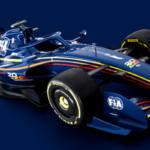
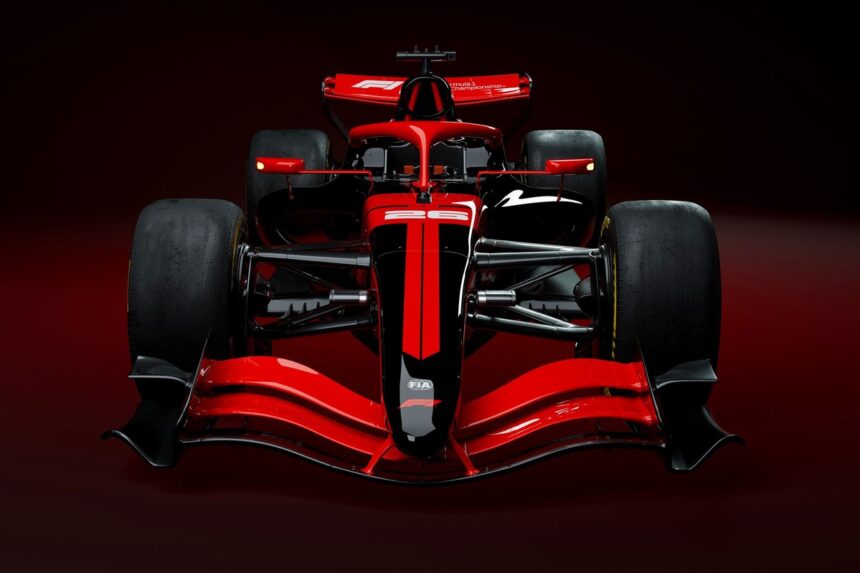
The most visible changes will be in the chassis. Cars will be lighter, narrower, and shorter, with a significant reduction in aerodynamic downforce. The aim is to make them more nimble and less affected by “dirty air,” theoretically promoting more wheel-to-wheel combat. Active aerodynamics will also play a much larger role, with movable front and rear wings that adjust for optimal straight-line speed and cornering grip.
However, the true heart of the revolution lies under the bodywork. The 2026 power unit regulations represent a fundamental shift:
- Increased Electrical Power: The MGU-K will become the dominant force, nearly tripling its electrical output. The internal combustion engine (ICE) will effectively become a “high-revving generator” for a significant portion of the lap.
- 100% Sustainable Fuels: F1’s commitment to carbon neutrality takes a major leap with the introduction of fully sustainable, lab-created fuels, a technology with potential road-relevance.
- Manual Override “Push-to-Pass”: Drivers will have a powerful, manually-deployed energy boost at their disposal, introducing a new strategic layer to overtaking and defending.
These changes mean the 2026 cars will sound, drive, and be raced differently. The launch events will be our first clue as to which teams have best translated this complex brief into a competitive package.
A Grid Transformed: New Entrants and Manufacturer Wars
The 2026 launch season carries extra significance because it will introduce two new players to the grid, while another undergoes a complete transformation. This reshuffling of the competitive order is a core narrative of the new era.
First, welcome Cadillac. The iconic American brand, in partnership with the experienced Andretti Global organization, is set to become the 11th team on the grid. Their launch will be a historic moment, marking the first full-works American manufacturer entry in decades. All eyes will be on their design philosophy and whether they can avoid the traditional pitfalls of a new team.
Second, witness the rebirth of Audi. The German automotive giant’s long-awaited F1 project culminates in a full takeover of the Sauber team. The car that rolls out in early 2026 will be the first true Audi F1 chassis, powered by their own in-house powertrain. This represents a massive commitment and a direct challenge to the established German might of Mercedes.
These arrivals intensify the manufacturer war. With Ford partnering with Red Bull Powertrains, Honda officially supplying Aston Martin, and Renault continuing with Alpine, F1 is entering a golden age of factory involvement. The launch events are the opening salvo in this new commercial and technical battle.
Predictions and Early Storylines to Watch
While true pace remains a mystery until testing, the launch season provides critical early indicators. Based on the known timelines and technical shifts, several compelling storylines are set to emerge.
All attention will be on Red Bull and their new RB22. Having dominated the current regulatory cycle, the question is whether Adrian Newey’s successor team can nail the 2026 rules from the outset. Their early-January launch will immediately set the benchmark. Conversely, can Ferrari and Mercedes, with their vast resources, use the regulation reset to close the gap and mount a immediate title challenge? Their reveal events will be scrutinized for signs of a conceptual advantage.
The midfield battle could be utterly reshuffled. Teams like Alpine and Williams have been preparing for this reset for years, seeing it as a chance to leapfrog the established order. A radical or elegant design at their launches could signal a team poised for a surprise. Furthermore, the integration of the new power units will be crucial; any team suffering from reliability or packaging issues in their launch-spec car could be playing catch-up from day one.
Finally, watch for the “shakedown special.” Some teams may launch a show car or a preliminary livery on their announced date, saving the definitive specification for testing. The level of detail and correlation between the launch model and the car that hits the track in Barcelona will speak volumes about a team’s confidence and preparation.
Conclusion: The Dawn of a New Formula 1 Cycle
The January and February 2026 car launches are far more than a ceremonial unveiling of new colors and sponsors. They are the tangible beginning of F1’s next great adventure. From the streets of Detroit to the factories of Europe, we will witness the first prototypes of a lighter, more agile, and electrically dominant breed of racing car. We will meet new competitors like Cadillac and see historic brands like Audi begin their latest quest for glory.
This launch season is the starting grid for a multi-year development war. The cars revealed may evolve dramatically by the first race in Melbourne, but their core concepts—the shape of the sidepods, the packaging of the revolutionary power unit, the philosophy of the aerodynamics—will set the trajectory for seasons to come. For the technical enthusiast, it’s a feast of innovation. For the casual fan, it’s the thrilling start of a new story. Clear your schedule from January 15th. The future of Formula 1 is about to be revealed.
Source: Based on news from Yahoo Sports.