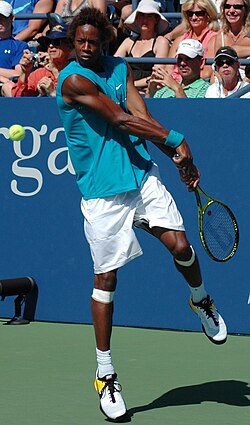
Gael Monfils Bids Emotional, Flamboyant Farewell to Australian Open After Two-Decade Love Affair
The curtain fell on one of tennis’s most enduring and electrifying acts at Melbourne Park. On a sun-drenched Kia Arena court, Gael Monfils, the 37-year-old French showman, played his final Australian Open match, succumbing in four gripping sets to Australian wildcard Dane Sweeny. What followed was not merely a defeat, but a poignant, heartfelt farewell from a player and a tournament that shared a unique, twenty-year bond. The raw emotion on Monfils’ face as he waved goodbye, soaking in a prolonged standing ovation, marked the end of an era defined by athleticism, artistry, and unadulterated joy.
A Final Bow: The Last Dance at Melbourne Park
The match itself was a microcosm of Monfils’ career: spectacular, unpredictable, and fiercely contested. Facing the world No. 182 Sweeny, Monfils rolled back the years in the first set, his explosive movement and powerful groundstrokes a stark reminder of his prime. He clinched the opener in a tiebreak, flashing the charismatic grin that became his trademark. Yet, as the contest wore on, the relentless energy of youth and the thunderous home support for Sweeny began to tip the scales. The young Queenslander, inspired by the occasion, fought back with grit to secure a 6-7 (3-7), 7-5, 6-4, 7-5 victory.
Despite the loss, Monfils’ genius flickered. He treated the crowd to moments of pure, unscripted magic:
- A breathtaking, full-stretch volley that defied physics.
- Several trademark leaping backhand winners struck with audacious power.
- A never-say-die attitude that saw him battle from breaks down, thrilling fans with the promise of a classic Monfils comeback.
When the final ball was struck, the reality set in. Monfils embraced Sweeny at the net, then turned to all four sides of the intimate arena, his eyes glistening, placing a hand over his heart in a silent thank you. The emotional farewell to the Australian Open was a powerful moment of recognition for a career that transcended rankings and trophies.
From Junior Prospect to Global Superstar: The Monfils Legacy
Gael Monfils’ relationship with the Australian Open began not on the main stage, but on the junior courts in 2003. His journey from a raw, phenomenally athletic prospect to a beloved mainstay is a core part of the tournament’s modern history. He reached the quarter-finals twice (2016, 2022) and delivered some of the most memorable matches in recent memory. Who can forget his epic, five-set fourth-round victory over Alexander Bublik in 2021, played in front of a raucous, post-lockdown crowd that he conducted like a symphony orchestra?
Monfils’ legacy in Melbourne and globally is built on more than just results. He redefined athletic possibility and brought a theatrical flair that attracted casual and die-hard fans alike. His trademark flair and shot-making were not just for show; they were an expression of a unique sporting soul.
Expert analysis often centered on his unorthodox style. While purists sometimes questioned his tactical choices, none could deny his impact. He was a human highlight reel in an era of increasing power and uniformity. His career highlights speak to both his longevity and peak performance:
- 11 ATP Tour titles, including prestigious 500-level events.
- A career-high ranking of World No. 6.
- Reaching the semifinals of a major (French Open 2008).
- Over 550 career match wins and a Davis Cup title for France.
More than statistics, Monfils served as the sport’s premier ambassador of joy. In an era of intense grimaces and racket-smashing, his smile was a revolutionary act.
What’s Next for Monfils and the Tennis Landscape?
With his final appearance at Melbourne Park before retirement now complete, the tennis world looks ahead. Monfils has indicated this is his last season, suggesting a farewell tour culminating, fittingly, at Roland Garros later this year. His schedule will likely be selective, aiming for one last dance at the tournaments that love him most.
His absence creates a void. The sport loses its most dynamic entertainer, a player who could electrify a stadium regardless of the round or ranking of his opponent. The next generation of players, while incredibly skilled, lacks a figure with Monfils’ specific blend of athletic spectacle and charismatic engagement. Players like Carlos Alcaraz bring tremendous excitement, but the Monfils brand of showmanship is truly irreplaceable.
Predictions for his post-playing career are already swirling. His natural charisma and deep understanding of the game make him a potential star in broadcasting. His popularity also suggests significant opportunities in coaching, player development, or ambassadorial roles within the sport. One thing is certain: Gael Monfils will not disappear from the tennis ecosystem.
A Fond and Fitting Goodbye to the People’s Champion
The first-round defeat to young Dane Sweeny, rather than detracting from the moment, somehow made it more authentic. It was a passing of the torch, witnessed by a grateful audience. Sweeny played the role of respectful but determined successor, earning the biggest win of his career on a day that belonged to his idol.
As the Australian Open 2026 continues with its Day 3 live updates and stories, the echo of Monfils’ farewell will linger. Melbourne Park was the perfect stage for his final act—a venue that celebrated his flamboyance as much as his forehands. His career was a masterclass in how to compete fiercely while remembering that sport, at its heart, is entertainment.
Gael Monfils leaves a simple yet profound legacy: play hard, smile often, and never, ever sacrifice the spectacular for the conventional. His emotional goodbye to the Australian Open was not just for matches won or lost, but for a two-decade-long conversation of pure, unadulterated tennis joy. The court will feel more ordinary without him.
Source: Based on news from India Today Sport.
Image: CC licensed via commons.wikimedia.org