Bill Belichick’s Hall of Fame Snub: A Legacy Questioned, A System Scrutinized
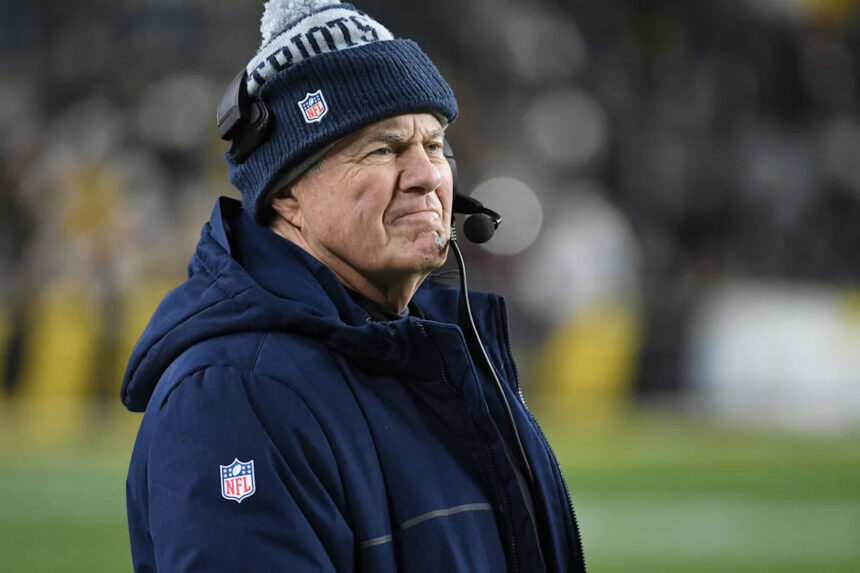
The Pro Football Hall of Fame’s selection process is designed to be a solemn, deliberative affair, a sacred trust to anoint the gods of the gridiron. This week, it became a lightning rod. According to an ESPN report, Bill Belichick—the architect of the NFL’s modern dynasty, the winner of a record six Super Bowls as a head coach—was not part of the 2024 contributor committee’s first-ballot selections. The news sent a shockwave through the football world, not for who was inducted, but for the one glaring, baffling omission. The greatest coach of all time, by nearly every measurable standard, told to wait. The reaction, reportedly from the man himself, was a pointed, rhetorical question to an associate: “Six Super Bowls isn’t enough?”
The Unforgettable Resume vs. The Unforgiven Scandals
Let’s state the case plainly, because Belichick’s on-field accomplishments form a monument that seems impossible to overlook. His 333 career victories (including playoffs) rank third all-time, behind only Don Shula and George Halas. His six Super Bowl titles as a head coach are two more than any other coach in history. He presided over two separate dynastic runs, a two-decade stretch of dominance in a league engineered for parity that may never be seen again. He also earned two more rings as the defensive mastermind for the New York Giants, crafting the game plan that stopped the Buffalo Bills’ “K-Gun” offense. The resume is not just Hall of Fame-worthy; it is the benchmark.
Yet, the report suggests the selection committee looked past the Lombardi Trophies and saw Spygate and Deflategate. For a subset of voters and fans, Belichick’s legacy is permanently asterisked by controversy. The perception, however misguided, is that he won through subterfuge. This creates a unique and paradoxical tension: Belichick’s unparalleled success is what fuels the intensity of the scandals. Would a .500 coach’s videotaping violation have become a defining “-gate”? Unlikely. The committee’s apparent hesitation is a clear signal that for some, the moral calculus of Canton includes more than wins and losses.
- Six Super Bowl wins as a head coach (NFL record)
- 17 division titles in 19 seasons with Tom Brady
- 31 playoff victories (coaching record)
- A defensive game plan that is in the Hall of Fame itself (Super Bowl XXV)
The Politics of Legacy and the Post-Brady Unraveling
According to ESPN, Belichick believes “politics” are at play. This isn’t mere sour grapes; it’s a plausible reading of a complex environment. The Hall of Fame selection process involves 49 selectors, media members with long memories and, undoubtedly, personal biases forged over a 24-year era where Belichick was often terse, dismissive, and dominant. His post-Brady divorce from the New England Patriots ended in a dismal 4-13 season, and his subsequent, brief stint at the University of North Carolina was a public relations fiasco, overshadowed by off-field headlines. The unceremonious end has allowed a narrative of decline to creep into the evaluation of his prime.
Furthermore, Tom Brady’s immediate Super Bowl victory with the Tampa Bay Buccaneers irrevocably shifted the credit debate. It provided a clean, powerful counter-narrative: Was it the coach or the quarterback? Brady’s seventh ring became a weapon against Belichick’s legacy, a piece of evidence for those who wished to diminish his genius. The coach’s current unemployment, while likely temporary, stands in stark contrast to the immortal playing careers of others on the ballot, creating an unconscious, yet unfair, bias about his current “stature.”
Expert Analysis: A Snub That Damages the Hall, Not Belichick
This decision, more than any in recent memory, risks diminishing the institution more than the individual. The Pro Football Hall of Fame’s credibility is built on enshrining the definitive greats. By making Belichick wait—for what, exactly?—the committee introduces a subjective, murky morality clause that was not applied with similar force to other enshrinees with complex off-field histories. It suggests that the pinnacle of coaching achievement can be invalidated by off-field decisions, a slippery slope for a violent sport run by flawed men.
Belichick’s reported stance, that this “isn’t a reflection on his accomplishments,” is the correct one. History’s judgment is already written. The waiting game is a procedural footnote. However, the snub exposes a fascinating generational and cultural divide. For a younger, analytics-driven fan, the scandals are ancient history, overshadowed by the sheer scale of the winning. For older guardians of the game’s “integrity,” they remain a stain no amount of wins can bleach. The committee, it seems, is currently listening to the latter.
What Comes Next: Predictions for a Corrected Course
The immediate fallout is a public relations nightmare for the Hall. The backlash has been swift and severe from players, media, and fans alike. This pressure will be immense and unavoidable. Predictably, this first-ballot snub will be corrected, likely as soon as the next voting cycle. The committee will regroup, the uproar will be fresh in their minds, and they will almost certainly usher Belichick in with the Class of 2025. The narrative will shift from “why he wasn’t a first-ballot lock” to “righting a wrong.”
Long-term, this episode may force a reckoning within the selection process itself. Should there be a separate, expedited path for figures of undisputed, transcendent achievement? The debate over the “first-ballot” designation, a borrowed concept from baseball, will intensify. For Belichick, the delay changes nothing. He will enter Canton, give a typically gruff, Xs-and-Os-heavy speech, and take his place alongside Halas and Shula. But the question he reportedly asked will linger over the Hall: “Six Super Bowls isn’t enough?” For a committee tasked with honoring football history, their answer, for now, has been a deafening, confusing silence.
The final conclusion is inescapable. Bill Belichick’s legacy is carved into the history of the NFL more permanently than any bronze bust could ever be. The Super Bowl rings are real. The defeated opponents are documented. The changed landscape of the sport is evident every Sunday. The Hall of Fame’s surprising hesitation is a momentary stumble in the long march of history, a puzzling interjection of doubt into a career defined by cold, hard certainty. It is a reminder that even for the greatest, enshrinement is not about statistics alone, but about story—and whose version of it gets told. In the end, the story of Bill Belichick is a story of victory, on a scale we may never see again. And no committee vote, however delayed, can ever deflate that.
Source: Based on news from Yahoo Sports.