From Mono Meme to Super Bowl Spotlight: The Unshakable Legacy of Sam Darnold
In the NFL, legacies are forged in championships, record-breaking stats, and iconic plays. But in the digital age, they can also be cemented by a single, unforgiving phrase uttered into a hot mic, or a diagnosis that becomes a cultural touchstone. For Sam Darnold, his journey—a path that has now improbably led to a Super Bowl berth as a vital backup—is forever intertwined with two moments from a single, chaotic 2019 season. No matter how high he climbs, even on the sport’s grandest stage, he will always be the “mono meme” guy who saw ghosts. This is the story of how internet immortality works, and why Darnold’s unique narrative is the ultimate testament to resilience in the face of perpetual punchlines.
The Birth of a Meme: When a Virus Went Viral
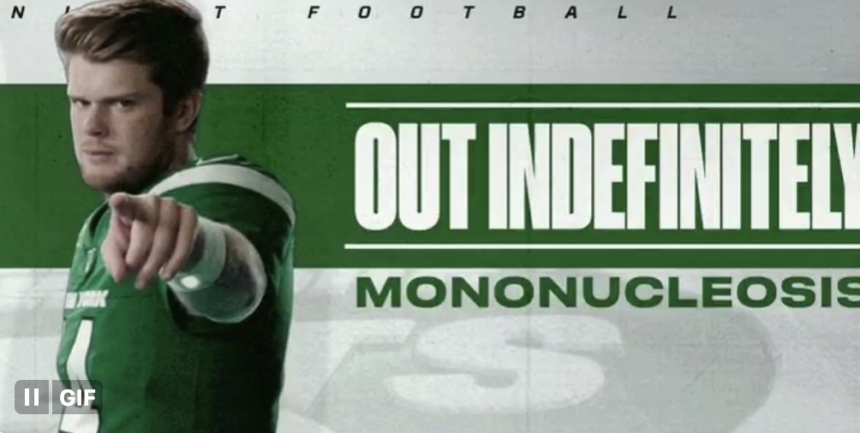
The 2019 NFL season was a year of memes before Sam Darnold even took his first snap. But the New York Jets quarterback authored one of the decade’s most enduring. After a Week 1 loss, Darnold was mysteriously sidelined. The reason? He had contracted mononucleosis. The news itself was a curiosity—a “kissing disease” sidelining a professional athlete. But it was the visual that followed that launched a thousand tweets.
During his first game back, a Monday Night Football matchup against the Cleveland Browns, ESPN’s broadcast displayed a now-legendary graphic. It featured a photo of a pale, weary-looking Darnold next to the stark, bold letters: ILLNESS: MONO. The contrast was both clinical and absurd. Instantly, the sports internet seized it. The “Mono Game” graphic became the ultimate template for expressing any form of being off your game, from a bad day at work to a regrettable night out.
- Universal Template: The “ILLNESS: MONO” format was perfectly adaptable for any situation.
- Visual Punchline: Darnold’s drained expression perfectly captured a universal feeling of being unwell and overwhelmed.
- Permanent Association: The meme transcended sports, embedding Darnold’s name in a much broader cultural lexicon.
This moment, more than any poor stat line, created a perception. It painted Darnold as a figure of misfortune, a talented player perpetually dogged by the bizarre and the unlucky. And just a few weeks later, that perception would be hammered home in the most brutal fashion imaginable.
“Seeing Ghosts”: The Night That Defined a Narrative
If the mono meme was a playful jab, what followed was a knockout blow to his early-career reputation. On another Monday night, this time against the vaunted New England Patriots defense orchestrated by Bill Belichick, Darnold endured a football nightmare. Belichick, a legendary tormentor of young quarterbacks, dialed up a masterclass in confusion. The Jets’ signal-caller was intercepted four times, completed just 11 of 32 passes, and managed a paltry 86 yards.
Then came the audio. Unbeknownst to Darnold, a microphone caught his desperate, haunting sideline admission to his coach: “I’m seeing ghosts out there.” The phrase was a raw, unfiltered glimpse into the psyche of a player being mentally dismantled. It was immediately iconic. “Seeing ghosts” became shorthand for a quarterback in total disarray, presnap confusion, and career crisis.
Together, these two moments—the mono meme and the ghost quote—created an inescapable narrative arc for Darnold in New York. He was the sickly, haunted quarterback of a doomed franchise. No amount of physical talent could shake that story. When his tenure with the Jets ended, it was less about his potential and more about the memes that defined him.
The Long Road to Redemption: Shedding the Label
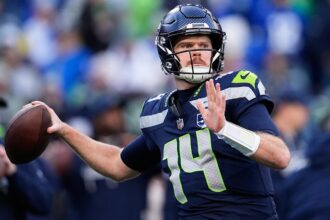
What makes Darnold’s current Super Bowl journey so compelling is the path he took after New York. He didn’t become an overnight superstar. Instead, he embarked on a quiet, professional grind to rebuild his career and his confidence. A reset with the Carolina Panthers offered mixed results, but it was his subsequent role as a high-end backup with the San Francisco 49ers that proved transformative.
Under the guidance of Kyle Shanahan, in a system designed to empower quarterbacks, Darnold began the slow work of reputation repair. Analysts noted his improved footwork, decision-making, and command of a complex offense. He started games in 2023, showing flashes of the first-round talent that once made him the third overall pick. More importantly, he became a respected and prepared lieutenant behind Brock Purdy.
This phase of his career is a masterclass in athletic maturity. Darnold accepted a supporting role, dedicated himself to mastering a scheme, and in doing so, reminded the league of his substantive football mind and physical gifts. He was no longer the franchise savior burdened by expectation and mockery; he was a reliable professional earning his keep. The memes didn’t disappear, but they were now juxtaposed against a new reality: Sam Darnold, winning football player.
The Super Bowl Stage: Why the Meme Legacy Endures
Now, as Darnold prepares to take the field in the Super Bowl, the duality of his legacy will be on full display. For the casual fan and the digital world, he will always be “that guy.” Every broadcast will inevitably mention the “ghosts” quote. Social media will light up with “ILLNESS: MONO” graphics if he so much as misses a warmup throw. This is the permanence of internet culture.
Yet, within the confines of the sport, his story has radically changed. Expert analysis now focuses on different elements:
- Vital Insurance: Darnold is arguably the most valuable backup quarterback in the league, a former high-pick with starting experience ready to step in.
- System Fit: His skill set—arm talent, mobility—is a strong fit for Shanahan’s offense, making him a credible threat.
- Quiet Redemption: His presence on this stage is a win for perseverance, a reward for the unglamorous work of career rehabilitation.
Prediction: Should the unthinkable happen and Darnold be called upon in the Super Bowl, the narrative whiplash would be historic. Every throw would be measured against the “ghosts” of 2019. A successful performance would not erase the memes; it would simply add a triumphant, final chapter to them. He would become the “mono meme guy who won a Super Bowl.” The joke would remain, but its context would be forever altered.
Conclusion: A Legacy Forged in Fire and Memes
Sam Darnold’s career is a modern fable. It illustrates how quickly a narrative can be set in the concrete of social media, and how difficult it is to break free. His 2019 season provided two of the most shareable, durable moments in recent sports history, moments that threatened to define him more than any victory ever could.
But his path to the Super Bowl tells the other half of the story—the part about grit, humility, and adaptation. It proves that a player can coexist with his own meme. He can be both the butt of the joke and a serious contributor to a championship contender. As he stands on the sideline in Las Vegas, Darnold carries the unique weight of a dual identity: the haunted prospect of New York and the capable veteran of San Francisco. In the end, his lasting legacy may not be the mono or the ghosts, but the remarkable resilience he showed in traveling from one to the other, all the way to football’s ultimate game.
Source: Based on news from Yahoo Sports.