Rosenior Unfazed: How Chelsea’s Unlikely Leader is Laughing All the Way to the Top
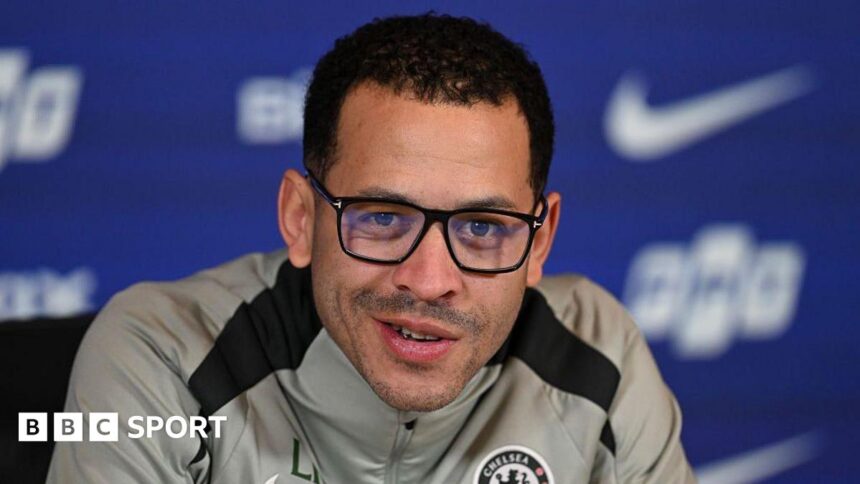
The Premier League narrative this season has a surprising, and for some, hilariously familiar protagonist. Liam Rosenior, the rookie Chelsea manager, has orchestrated a stunning start to his tenure at Stamford Bridge, winning his first four Premier League matches and seven of his opening nine games in all competitions. Yet, amidst the soaring xG charts and tactical masterclasses, a parallel online discourse has emerged, one that compares the 43-year-old’s earnest touchline demeanor and expressive interviews not to Mourinho or Guardiola, but to two iconic British comedy characters: *The Inbetweeners*’ socially awkward Will McKenzie and *The Office*’s cringe king, David Brent. In a world where manager personas are meticulously crafted, Rosenior’s response has been a masterclass in authenticity: he’s not bothered at all.
The Meme-ification of a Gaffer: From Touchline to Timeline
In the hyper-scrutinized world of modern football, every gesture is a GIF, every press conference quote a potential meme. For Liam Rosenior, his rapid, gesticulating team talks and his peculiarly intense, almost pedagogical way of explaining football concepts have become fertile ground for online jest. Social media feeds have been flooded with split-screen images: Rosenior pointing emphatically beside Will McKenzie’s signature nervous finger-point; Rosenior’s earnest post-match analysis juxtaposed with David Brent’s deluded managerial wisdom.
The comparisons are undeniably visually amusing. There’s a shared energy of a man trying almost too hard to communicate his vision, a certain endearing awkwardness that stands in stark contrast to the cool, detached archetype of the modern elite coach. Yet, while the internet paints with a broad, humorous brush, it often misses the nuance. What it labels as “Brent-ish” could be reinterpreted as unvarnished passion; what it calls “McKenzie-esque” might simply be the focused intensity of a young manager utterly consumed by his craft.
Crucially, Rosenior is operating from a position of strength, not insecurity. The memes have proliferated not during a crisis, but during a period of remarkable success. This context transforms the joke from a barb into a badge of honor—a quirky sidebar to a spectacular footballing story.
“I’m Not Afraid to Be Myself”: The Rosenior Philosophy
When asked about the viral comparisons, Rosenior revealed a disarmingly healthy perspective, one seemingly immune to the noise of the digital age. “I’m not on social media so my teenage children have informed me,” he explained, before delivering the definitive line: “I’m not bothered at all… I’m not afraid to be myself.”
This statement is more than a soundbite; it’s the foundational philosophy of his early reign. In an industry rife with imitation and manufactured bravado, Rosenior’s commitment to authenticity is a strategic asset. Consider the evidence:
- Tactical Identity: His Chelsea isn’t a patchwork of trends, but a clear, proactive side playing a distinct, possession-based style he believes in.
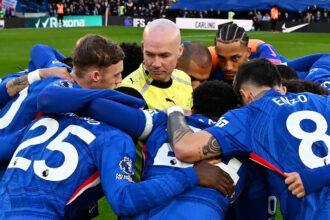
- Player Communication: His animated touchline instructions suggest a direct, passionate communication style his players appear to respond to.
- Media Handling: He speaks in detailed, football-nerd sentences, refusing to dumb down his ideas for easier consumption.
This self-assurance disarms critics and meme-makers alike. You cannot mock a man for being awkward if he proudly owns it. You cannot undermine a person who refuses to be embarrassed by their own genuine enthusiasm. In psychological terms, Rosenior has effectively neutralized the narrative. By embracing the jokes, he has removed their sting and refocused the conversation on what truly matters: the results and the football.
Beyond the Joke: The Serious Foundations of Success
To dismiss Rosenior as a mere comic figure is to profoundly misread the situation at Chelsea. The stats paint a picture of a highly competent, transformative coach. Winning seven of his first nine games, including a perfect Premier League start, is a feat that eluded many of his more celebrated predecessors in their early days at the Bridge.
Expert analysis points to tangible improvements: a more cohesive defensive structure, a midfield that controls tempo, and attackers playing with defined purpose. His work with previously inconsistent players has been particularly noted. This isn’t accidental; it’s the product of a sharp football mind that served a long and thoughtful apprenticeship, not a David Brent-style “chilled-out entertainer” stumbling upon success.
The “Brent” comparison is especially superficial when examining leadership style. Where Brent was a narcissist oblivious to his team’s needs, Rosenior’s public comments are relentlessly team-focused. Where Brent sought personal glory, Rosenior deflects praise onto his players and staff. The humor lies in the aesthetic, not the substance. Rosenior’s success underscores a vital footballing truth: players will follow genuine belief far more readily than a curated, “cool” facade.
Predictions: Can the “Unbothered” Approach Win the Biggest Prizes?
The immediate future for Rosenior’s Chelsea looks bright. The team is gaining confidence with each win, and the manager’s unflappable, authentic persona is creating a resilient culture. Short-term predictions are straightforward:
- Top Four Challenge: They will now be considered serious top-four contenders, if not dark horses for the title race.
- Continued Media Fascination: The “character” narrative will persist but will increasingly be framed as a positive, a charming quirk of a winning manager.
- Squad Development: His clear communication and tactical clarity will aid in the further development of Chelsea’s young squad.
The long-term question is more intriguing: Can this authentic, “unbothered” style withstand the immense pressure of a true crisis? A major loss, a player fallout, a prolonged slump—these are the moments when a manager’s persona is stress-tested. Rosenior’s great advantage is that he has built his platform on a real personality, not a performance. There is no mask to slip. His resilience may well be rooted in this very consistency of character.
If the success continues, the memes will evolve. The comparisons will shift from comedic characters to legendary managers. The very traits that prompted Will McKenzie comparisons—the youthful earnestness, the desire to explain—may one day be recast as the hallmarks of a visionary teacher, a “professor” of the game in the making.
Conclusion: The Last Laugh
Liam Rosenior has stumbled upon a powerful formula in the image-conscious Premier League: relentless authenticity. By refusing to be “bothered” by the David Brent and Inbetweeners memes, he has demonstrated a psychological strength that many seasoned managers lack. He has understood that in 2024, you cannot control the meme, but you can absolutely control your reaction to it.
His approach has turned potential ridicule into a symbol of his focus. While the internet giggles at gifs, his Chelsea side is collecting points. The joke, ultimately, is on those who underestimated him. In an era of canned responses and PR-trained personalities, Rosenior’s willingness to be his unabashed, passionate, tactically obsessive self is not a weakness—it’s his superpower. The Premier League’s newest sensation isn’t just winning football matches; he’s winning the narrative, one unbothered, genuinely himself press conference at a time. The path from meme to masterpiece is now being drawn at Stamford Bridge, and Liam Rosenior is writing his own script.
Source: Based on news from BBC Sport.