Same Old Story for Slot as Wolves’ Relentless Fight Stuns Liverpool
The final whistle had not yet sounded, but the story was already written in the emptying red seats of the Molineux away end. As Wolverhampton Wanderers’ players piled onto goalscorer Andre in a delirious heap, Liverpool’s players stood frozen, hollowed out by a sucker-punch that felt both shocking and, in the context of their season, grimly familiar. For Arne Slot, his midweek lament that the Premier League was “no longer a joy to watch” had transformed into a stark, personal reality. This was a defeat that echoed with the frustrating refrain of a broken record.
A Tale of Two Touchlines: Despair and Unbridled Joy
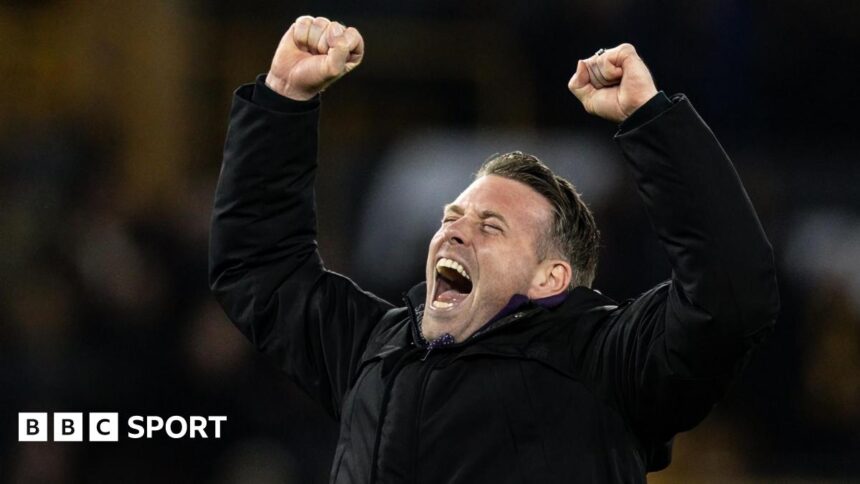
The contrasting images at the final whistle were a masterpiece of footballing narrative. In one technical area, Liverpool boss Arne Slot stood motionless, hands deep in his coat pockets, his analytical mind perhaps already sifting through the myriad failures that led to this moment. Across the pitch, Wolves manager Rob Edwards was a blur of raw emotion, racing down the touchline in Jose Mourinho-esque fashion, his sprint fueled by the sheer, unadulterated release of a last-gasp winner against a giant. It was a celebration that spoke of more than three points; it was a declaration of spirit, of a team that simply refuses to accept its supposed fate.
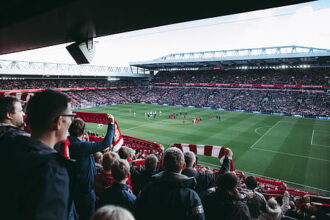
For Liverpool, the 2-1 scoreline was a brutal condensation of their campaign’s flaws. They dominated possession, crafted chances, but were undone by a combination of defensive fragility and a staggering lack of clinical edge. The late Wolves goal was not a bolt from the blue; it was the culmination of mounting pressure from a side that smelled blood. The sight of their own fans streaming for the exits before the referee’s signal was the ultimate indictment—a visual representation of faith lost and patience expired.
Deconstructing the Liverpool Conundrum Under Slot
Arne Slot’s pre-match comments about the joylessness of the modern game now read as a prescient, if subconscious, diagnosis of his own team’s ailment. His Liverpool side, for all its technical pedigree, has become a chore to watch for its own supporters at times. The performance at Molineux was a case study in sterile domination.
- Possession Without Penetration: Liverpool routinely held over 65% of the ball but translated it into precious few clear-cut opportunities. The build-up was often horizontal, predictable, and easily shepherded by Wolves’ disciplined low block.
- Defensive Transition: A Chronic Weakness: Both Wolves goals originated from Liverpool losing the ball in advanced areas and being catastrophically exposed on the counter-attack. The lack of pace and awareness in the defensive midfield cover was glaring.
- Mentality Monsters No More: The legendary resilience of the Jurgen Klopp era has evaporated. Where late winners were once a trademark, this Liverpool side now appears vulnerable, anxious, and bereft of ideas when a game is in the balance.
Slot’s challenge is no longer tactical; it is profoundly psychological. He must rebuild not just a system, but an identity. The “same old story” is one of points dropped from winning positions, of leads squandered, and of an inability to kill off games against determined opposition.
Wolves’ Fight: The Blueprint for Survival
While Liverpool’s story is one of decline, Wolves’ is the epitome of Premier League survival grit. Bottom of the table and written off by many, Edwards has instilled a belief that transcends individual quality. Their victory was not a fluke; it was a reward for a meticulously executed game plan and an unbreakable collective spirit.
Wolves’ success was built on three non-negotiable pillars:
- Structural Discipline: The back five and midfield unit moved as one, closing spaces and forcing Liverpool into harmless areas.
- Explosive Transition: Every recovered ball was a trigger for a rapid, vertical burst, directly targeting the space behind Liverpool’s advanced full-backs.
- Unshakeable Belief: Even after conceding an equalizer, Wolves did not retreat into a shell. They continued to push, fueled by the energy of a raucous Molineux, believing a chance would come.
Andre’s 94th-minute winner was the product of this sustained faith. It was a goal that could galvanize a season, proving that effort and organization can bridge the gap to more illustrious opponents. For clubs in the relegation dogfight, this performance will be required viewing.
What Comes Next: Reckoning for Slot, Hope for Wolves?
The fallout from this result will resonate very differently in the two camps. For Liverpool, the inquest will be severe. The title talk of early autumn has been replaced by a desperate scramble for a top-four finish. Slot is under immediate pressure to:
- Fix the defensive structure, particularly in transition.
- Find a consistent goal threat beyond the increasingly isolated Mohamed Salah.
- Restore the mental fortitude that has defined the club for years.
The January transfer window now looms as a critical moment, but no signing can remedy a broken mentality. That repair job falls solely on Slot.
For Wolverhampton Wanderers, this is a landmark victory. Beating Liverpool provides more than three points; it injects a potent dose of credibility and confidence. It proves to the squad, the fans, and their rivals that they have the formula to compete. The key for Rob Edwards is to bottle this exact formula—the fight, the tactical clarity, the unity—and replicate it against the teams around them. Survival is now a tangible dream, not just a distant hope.
Conclusion: A Premier League Parable
Football, in its essence, is a contest of narratives. At Molineux, two powerful stories collided. One, a tale of a fading superpower struggling to recapture its soul, playing a joyless, inefficient game that its manager seemingly foresaw. The other, a classic underdog story of resilience, tactical brilliance, and a spirit that refuses to be quenched.
For Arne Slot, the “same old story” is a warning siren. The Premier League’s joy is reserved for those who adapt, who fight, and who execute. His philosophical musings have been answered with the loudest possible statement on the pitch. Meanwhile, Rob Edwards and his Wolves squad have authored a defining chapter in their own survival saga, a testament to the fact that in England’s top flight, the fight itself is often the most important quality of all. The away end emptied, but Wolves’ battle is very much alive.
Source: Based on news from BBC Sport.