Adam Silver’s “Stakeholder” Gambit: Why the NBA Shut Down Hawks’ Magic City Monday
The intersection of sports, culture, and commerce is rarely a smooth one. This truth was laid bare this week when the NBA, under the stewardship of Commissioner Adam Silver, stepped in to cancel the Atlanta Hawks’ planned “Magic City Monday” promotion. What began as a local nod to a famed Atlanta institution ended as a masterclass in corporate image management, revealing the delicate tightrope the modern league walks between embracing its community and protecting its global brand.
From Peach State Inside Joke to National Controversy
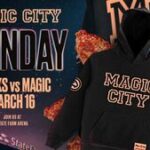
For the uninitiated, Magic City is not a theme park. It is a legendary Atlanta strip club, an institution as famous for its jumbo lemon pepper wings as it is for its dancers. It holds a unique place in the city’s hip-hop and cultural fabric, referenced in countless songs and celebrated as a hometown landmark. The Hawks’ promotion, slated for a March 16 game, was intended as a playful, hyper-local engagement tactic—offering discounted tickets and presumably, a nod to those famous wings. However, the team severely underestimated how the “family atmosphere” marketed by the NBA would clash with the promotion of an adult entertainment venue.
The backlash was swift and came from multiple fronts. While some fans and Atlanta locals saw it as harmless fun, a significant portion of the league’s corporate partners, season ticket holders, and national media voices expressed discomfort. The promotion created a stark brand identity crisis: was this the global, family-friendly NBA, or was it endorsing a strip club? The league office decided it could not be both.
Decoding Adam Silver’s Strategic Statement
Commissioner Silver’s statement on March 9 was a textbook example of diplomatic, stakeholder-centric crisis management. It was concise, respectful, yet unequivocal in its finality. Let’s break down the key strategic moves within his brief remarks:
- “We reached out to Hawks leadership to better understand their plans and rationale”: This establishes the league as a measured authority, not a knee-jerk dictator. It gives the Hawks an initial hearing.
- “We have heard significant concerns from a broad array of league stakeholders”: This is the core of the argument. Silver shifts the focus from the NBA’s personal opinion to an obligation to its broader ecosystem. It’s not “we forbid this,” but “our fans, partners, and employees compel this.”
- “The right decision for the broader NBA community”: This frames the cancellation not as a punishment, but as a necessary act of unity and protection for the collective brand.
Notice what is absent: any moral judgment on Magic City or its patrons. Silver’s message wasn’t about propriety; it was about brand alignment and stakeholder management. He expertly sidestepped a cultural debate to focus on a business one.
The Inevitable Clash of Local Flavor and Global Brand
This incident highlights a growing tension in professional sports. Teams, especially in cities with strong, distinct identities, strive to connect on a grassroots, authentic level. The Hawks were tapping into a very real piece of Atlanta’s nightlife and music culture. However, the NBA is no longer just a collection of individual teams; it is a monolithic, multi-billion dollar global enterprise with broadcast partners in every corner of the world and sponsors ranging from tech giants to cereal companies.
The league’s primary product is not just basketball; it’s accessible entertainment. Its marketing leans heavily on community, youth engagement, and a sanitized, inclusive environment suitable for all ages. A promotion tied directly to a strip club, regardless of its local culinary fame, creates an irreconcilable dissonance with that carefully crafted image. The league’s decision underscores a hard truth: what works as a local in-joke can become a liability on the international stage.
Key factors that forced the league’s hand include:
Sponsor Sensitivity: Major partners, particularly in family-oriented sectors, would have balked.
Media Narrative Control: The story would have dominated coverage, overshadowing the game itself.
Fan Base Fragmentation: It risked alienating a segment of fans for whom such a promotion was a bridge too far.
Predictions: The New Rules of Engagement in the Silver Era
The fallout from “Magic City Monday” will reverberate beyond Atlanta. It sets a clear precedent and offers a roadmap for how the league will handle similar cultural flashpoints in the future.
First, expect a league-wide memo, if not an explicit addition to the operational guidelines, requiring teams to submit “theme night” proposals for league review well in advance. The era of teams having unilateral freedom to launch potentially controversial promotions is over.
Second, this reinforces Adam Silver’s governing philosophy. He is a consensus-builder who listens to stakeholder feedback, but ultimately acts to protect the league’s central brand equity. He allowed the “City Edition” jerseys and generally encourages local expression, but within a firm boundary. That boundary is now more clearly defined.
Finally, teams will need to become more sophisticated in their cultural calculus. The challenge will be to find authentic local connections that resonate without creating brand friction. Celebrating a city’s music scene? Encouraged. Directly promoting a specific adult establishment? Forbidden. The line has been drawn.
Conclusion: A Victory for Brand Management, A Lesson in Authenticity
Adam Silver’s cancellation of the Hawks’ promotion was not a story about a strip club; it was a story about the modern mechanics of running a global sports empire. It was a decisive, if unglamorous, victory for centralized brand management. The NBA determined that the risk of alienating its broad, mainstream base far outweighed the reward of a cheeky local promotion.
For the Atlanta Hawks, it’s a lesson in the limits of localism in a global league. Their attempt at gritty authenticity was overruled by the demands of polished corporatism. For the fans, it’s a reminder that the NBA they watch is a product, meticulously curated and protected. And for Commissioner Silver, it was another demonstration of his preferred style: listening to all sides, citing the will of the “stakeholders,” and making the safe, if unadventurous, call to preserve the league’s most valuable asset—its universally palatable image. The magic of Magic City, it seems, was no match for the machinery of the NBA.
Source: Based on news from Yahoo Sports.