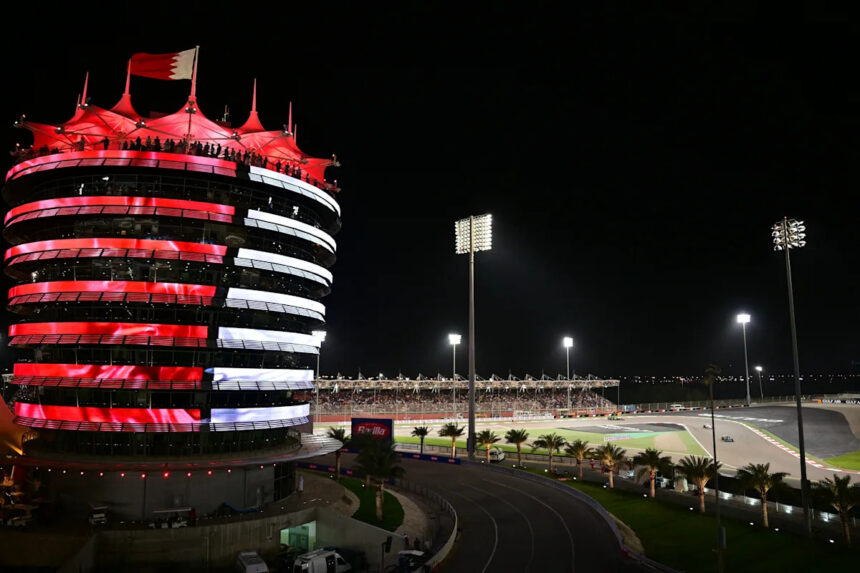
Formula 1 on the Brink: Bahrain and Saudi Races Poised for Cancellation Amid Regional Conflict
The high-octane world of Formula 1, a sport built on precision and predictability, is facing the unpredictable force of geopolitical conflict. According to an ESPN report, the championship is set to cancel the Bahrain and Saudi Arabian Grands Prix, a dramatic decision forced by the escalating war in Iran and its reverberations across the Middle East. This move would slash the record 24-race calendar to 22 events, triggering a logistical and sporting earthquake for teams, drivers, and fans worldwide.
The Geopolitical Checkered Flag: Why F1 is Forced to Act
This potential cancellation is not a pre-emptive caution but a direct response to a rapidly deteriorating security situation. The catalyst was the killing of Iranian leader Ali Khamenei on February 28 in a series of strikes attributed to the United States and Israel. The subsequent retaliation from Iran has targeted assets in both Bahrain and Saudi Arabia, turning the host nations into active conflict zones.
For Formula 1, the decision transcends mere safety assessments, though that is paramount. The sport’s immense logistical footprint—the air and sea freight of hundreds of tons of equipment, including the fragile cars themselves—has been completely severed. Iran’s blockade of the Strait of Hormuz, a critical maritime chokepoint, has essentially sealed off Bahrain. With no viable shipping routes for the massive freight, moving the circus in and out of the region is currently impossible. F1 had set a deadline for a final call, and the reality on the ground has made that call for them.
Calendar Chaos: The Domino Effect on the 2025 Season
The cancellation of these two races would create an unprecedented void in the F1 calendar and disrupt the rhythm of the entire season. The implications are profound:
- An Unplanned Spring Shutdown: The season would effectively grind to a halt for a full month. After the Japanese Grand Prix on March 28, the next race would not be until the Miami Grand Prix on May 3. This creates a bizarre five-week gap, longer than the mandated summer shutdown.
- No Room for Replacement: The modern F1 calendar is a tightly packed puzzle. With 22 other events spanning the globe into late November, finding a suitable slot for two replacement races is deemed “unlikely.” The backend of the schedule is already congested, leaving no room for the complex logistics of adding new events.
- Financial and Sporting Repercussions: Two fewer races mean reduced broadcasting revenue, sponsorship activation, and host fee income. For drivers and teams, it means two fewer opportunities to score crucial points, potentially altering championship dynamics before the European season even begins in earnest.
This scenario underscores the fragility of F1’s global expansion. While racing in new markets offers commercial rewards, it also ties the sport’s fortunes to regional stability, a gamble now starkly revealed.
Team Logistics: A Freight Nightmare and Strategic Pivot
Behind the scenes, team principals and logistics managers are facing a monumental challenge. The typical freight plan for the opening flyaway races is a masterpiece of coordination. With Bahrain and Saudi Arabia now off the table, a completely new plan must be activated.
The critical question is: where is the freight? Equipment used in the earlier races in the Gulf region is likely stranded. The blockade prevents it from leaving by sea, while finding available air cargo for hundreds of tons of sensitive material is a costly and complex alternative. Teams may now have to urgently reroute equipment from Asia after Japan or even source duplicate parts from their European factories to prepare for Miami.
This unplanned break also forces teams into a strategic dilemma. Do they use the extra time for accelerated car development, bringing upgrades forward to Miami? Or does the financial and human cost of a compressed development schedule outweigh the benefit? The month of April, usually a period of intense travel and competition, could suddenly become a month of frantic factory work and logistical firefighting.
Expert Analysis: The New Normal for Global Sport?
This situation is a sobering case study for all global sporting enterprises. F1’s decision, while driven by immediate necessity, signals a new era of risk assessment. “The sport has navigated regional tensions before, but the active military conflict and the complete severing of key logistics routes represent a different threat level entirely,” notes a veteran F1 journalist. “This isn’t about potential protest; it’s about tangible, immediate danger to personnel and the impossibility of operations.”
The reliance on the Strait of Hormuz for freight highlights a critical vulnerability in F1’s otherwise robust model. Future calendar planning may require more diversified shipping routes or even regional freight hubs to mitigate such risks. Furthermore, the considerable logistics of the sport are now as much a part of the risk assessment as the security of the circuit itself.
For the host nations, the cancellation is a significant blow. Both Bahrain and Saudi Arabia have used Formula 1 as a central pillar of their economic diversification and global branding strategies, known as “sportswashing.” The inability to host the race undermines that project and exposes the limits of soft power in the face of hard conflict.
Predictions and the Road Ahead
Looking forward, the 2025 season will now begin its competitive chapter in Miami, creating a very different narrative arc. The championship battle will have a stuttering start, placing even more emphasis on the opening races in Australia and Japan. The extended gap could benefit teams with slower development starts, giving them a precious few extra weeks to understand their cars.
The long-term implications are clearer:
- F1 will conduct an even more rigorous geopolitical review of future calendar candidates.
- Logistics networks will be re-evaluated for redundancy and resilience.
- The debate over the calendar’s maximum size (24 races) will intensify, with advocates for a slightly shorter, more robust schedule gaining ammunition.
The decision to cancel the Bahrain and Saudi Arabian Grands Prix is a stark reminder that even the most glamorous and technologically advanced sports are not immune to the world’s conflicts. It is a prudent, if painful, decision that prioritizes human safety and practical reality over commercial ambition. As the freight is rerouted and the teams regroup, the 2025 Formula 1 season will forever bear the mark of a conflict far from the racetrack, proving that in the high-stakes game of global sport, the most formidable opponent can sometimes be an unpredictable world.
Source: Based on news from Yahoo Sports.