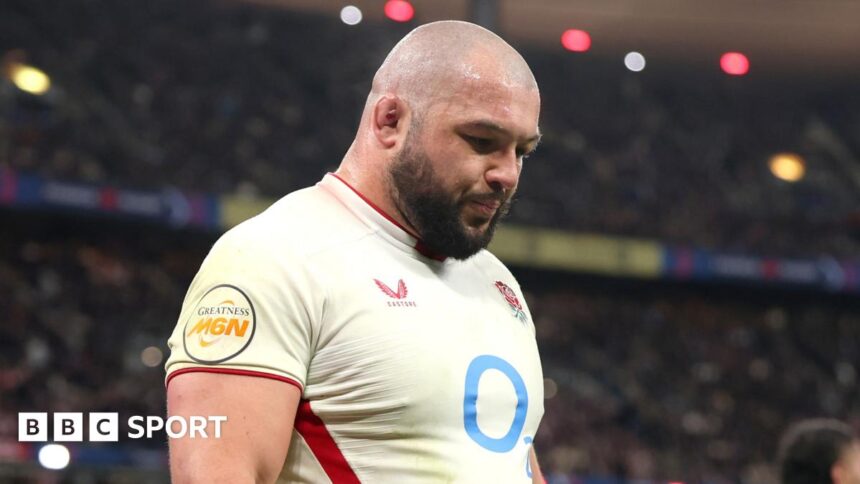
RFU Launches Root-and-Branch Review to Excise England’s Crippling Inconsistency
The final whistle at Lyon’s Groupama Stadium did more than confirm a French Grand Slam; it sounded the starting pistol for a period of intense, uncomfortable scrutiny within the corridors of Twickenham. England, having been swept aside 42-24 in a high-scoring thriller that laid bare their frailties, now face an internal reckoning. The Rugby Football Union (RFU) has signalled its determination to launch a forensic review into a historically poor Six Nations campaign, with the central, nagging ailment clear: a debilitating and deep-rooted inconsistency that has plagued the side for years. This isn’t about a single defeat; it’s about diagnosing a chronic condition.
Finishing fifth with a solitary victory—their worst return since Italy joined the tournament in 2000—represents a stark failure against the RFU’s own benchmarks. The campaign was a jarring rollercoaster: a record-breaking 48-7 demolition of Wales was followed by a desperate, error-strewn defeat to Scotland. A gritty, pragmatic win over Ireland hinted at resilience, only for a catastrophic collapse against Fiji-esque flair from France to expose the brittle foundations. For CEO Bill Sweeney and Performance Director Conor O’Shea, the mission is now surgical: to root out the causes of this wild fluctuation in performance and application.
A Campaign of Extreme Peaks and Troughs
Steve Borthwick’s second Six Nations at the helm ultimately raised more questions than it answered. The narrative of a “team in transition” is wearing thin after 18 months in charge. The statistics paint a damning picture of a side unable to establish a coherent identity or level of performance.
- The High: The opening day victory over Wales was a masterclass in power and precision. The set-piece dominated, the defence was brutal, and the attack, led by man-of-the-match Ben Earl, looked fluid and multi-dimensional. It was a performance that suggested Borthwick’s blueprint was coming to life.
- The Lows: The subsequent matches revealed a shocking vulnerability. The loss to Scotland was characterised by staggering ill-discipline and a startling lack of attacking ideas. The defeat in Lyon was perhaps most concerning, as England’s defence, a supposed Borthwick hallmark, disintegrated, missing 39 tackles and looking utterly bewildered by France’s pace and offloading game.
This wild variance is not new. It echoes the 2023 Six Nations, which featured a stunning victory over France and a humiliating defeat to Scotland. The World Cup campaign, while ultimately a creditable bronze, swung from a dire performance against Samoa to a heroic semi-final against South Africa. The RFU review must ask: is this inconsistency a symptom of coaching, selection, player mentality, or a toxic blend of all three?
Key Areas Under the Microscope
The coming weeks will see RFU bosses pore over every aspect of England’s setup. The review will extend far beyond the matchday 23, probing into the very structures that support the Test team.
Attack Philosophy and Coaching: England’s attack has been a persistent source of frustration. Under Borthwick and attack coach Richard Wigglesworth, it has often appeared stilted, predictable, and painfully slow to resource rucks. Moments of individual brilliance from the likes of Immanuel Feyi-Waboso have papered over systemic cracks. The review will scrutinise the coaching methodology, game plan clarity, and whether the players are equipped to execute a modern, multi-phase attacking system. The contrast with the fluidity of Ireland and France is stark and damning.
Leadership and On-Field Decision Making: In the heat of battle, England’s decision-making has frequently unravelled. Questionable kicking choices, poor option-taking in the red zone, and a propensity to concede penalty clusters point to a leadership group struggling to control the game’s tempo and momentum. The influence of captain Jamie George and his lieutenants, alongside the game-management of half-backs George Ford and Alex Mitchell, will be analysed. Is there a lack of tactical flexibility when Plan A fails?
The Pathway and Premiership Alignment: This is the bigger-picture item. The RFU must examine whether the professional club game in England is producing players with the skillset and rugby intelligence to excel at Test level. Is the Premiership’s style of play, its calendar, and its relationship with the national team helping or hindering the development of a cohesive English style? The success of Ireland’s centralised model provides a constant, uncomfortable comparison.
Predictions: A Summer of Change and a Defining Autumn
The outcomes of this review will likely manifest in two waves: immediate changes for the summer tour to Japan and New Zealand, and longer-term structural shifts.
We can expect a significant shake-up in playing personnel this summer. The tour presents a prime opportunity to move on from some established names and accelerate the development of the next generation. Players like Chandler Cunningham-South, who impressed with his physicality, and the uncapped talents lighting up the Premiership, should be given extended opportunities. The midfield combination, a persistent headache, may see a completely new look with Ollie Lawrence and Henry Slade’s partnership under threat.
More radically, the review could recommend changes to the coaching staff. While Borthwick’s position appears secure for now, the pressure on his specialist coaches, particularly in attack and defence, is immense. The RFU may seek to inject new ideas and voices into the setup, potentially looking overseas for expertise. The coming months are less about Borthwick’s job security and more about his willingness and ability to evolve his philosophy.
The ultimate litmus test will be the Autumn Nations Series. Fixtures against New Zealand, Australia, and South Africa will provide the true measure of whether this review has sparked genuine progress. By then, England must show a clear, positive evolution in their playing style and, crucially, a marked reduction in the performance volatility that has become their trademark.
Conclusion: No More Excuses, Only Execution
The RFU’s determination to investigate this poor campaign is a necessary first step, but it will be judged solely on the actions that follow. For too long, England’s story has been one of “what if?” and “on another day.” The glorious highs make the inexplicable lows all the more frustrating for a fanbase starved of sustained success. The talent pool in England is too rich, the resources too vast, for a single Six Nations victory to be acceptable.
This review must be brutally honest, avoiding the trap of attributing failure solely to player execution. It must examine strategy, environment, and culture. Steve Borthwick, a man hired for his meticulous planning, now faces his greatest project: instilling not just a game plan, but a consistent mindset. The goal is clear: to build an England team that is not just capable of brilliance, but defined by reliability. The journey to excise this crippling inconsistency starts now, and it promises to be a defining chapter in English rugby’s modern history.
Source: Based on news from BBC Sport.