Wayne Brady’s Shocking AEW Slap: Crossover Stardom or Calculated Carnage?
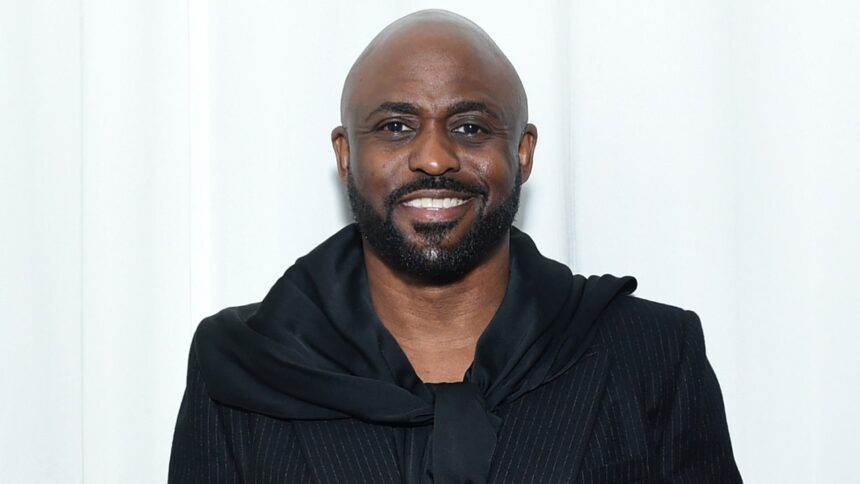
The world of professional wrestling is built on controlled chaos, where the line between scripted spectacle and genuine surprise is often the most compelling part of the show. At All Elite Wrestling’s Revolution pay-per-view, that line was blurred not by a seasoned grappler, but by a multi-talented entertainer best known for his improv comedy and singing voice. In a moment that instantly went viral, actor and television host Wayne Brady didn’t just make a cameo—he delivered a thunderous slap that echoed far beyond the ring, signaling AEW’s aggressive and savvy push into the mainstream cultural conversation.
- From “Whose Line” to the Front Line: Brady’s Calculated Entrance
- The Art of the Strike: A Legacy of Guitar Shots and Calculated Violence
- Blurring Worlds: The Khan Strategy for Mainstream Domination
- Prediction: The New Blueprint for Celebrity Involvement
- Conclusion: A Slap Heard ‘Round the Wrestling World
From “Whose Line” to the Front Line: Brady’s Calculated Entrance
Wayne Brady’s involvement occurred during the Zero Hour pre-show, the appetizer to AEW’s major pay-per-view events. The match itself featured the tag team Boom & Doom, which includes social media influencer “Big Boom” A.J., against The Infantry (Shawn Dean and Carlie Bravo). Brady, appearing in support of A.J., was initially a ringside cheerleader. However, the atmosphere shifted when The Infantry gained the upper hand. What followed was not a typical wrestling run-in. Brady, shedding his affable talk-show persona, stepped onto the apron, locked eyes with Carlie Bravo, and unleashed a crisp, loud slap that stunned the live audience in Los Angeles. The strike was not a wild swing; it was deliberate, impactful, and executed with a conviction that suggested more than a simple celebrity gag.
This moment is a masterclass in modern sports entertainment marketing. AEW, under the guidance of CEO Tony Khan, has consistently leveraged crossover appeal, but Brady’s slap represents a new tier of integration. It wasn’t a passive appearance or a comedy segment—it was physical, emotional, and advanced a narrative. It immediately created a must-see moment for casual viewers who follow Brady, while giving the hardcore AEW audience a jolt of unexpected realism. The slap transcended the typical “celebrity guest referee” trope, positioning Brady as an active, volatile participant in the AEW ecosystem.
The Art of the Strike: A Legacy of Guitar Shots and Calculated Violence
To understand the weight of Brady’s slap, one must appreciate the history of deliberate, weaponized strikes in wrestling lore. Few are more qualified to speak on this than pro wrestling legend Jeff Jarrett. In a recent discussion with Fox News Digital, Jarrett reflected on the iconic “guitar shots” he’s delivered through the years—a signature move that turned a musical prop into a symbol of sudden devastation. Jarrett’s analysis provides a framework for Brady’s action.
- The Element of Surprise: Much like Jarrett’s guitar often came from nowhere, Brady’s slap was unexpected from a performer of his caliber. The shock value multiplies the impact.
- Storytelling Through Violence: Every physical act in wrestling must serve the story. Jarrett’s guitars settled scores; Brady’s slap instantly established a fierce loyalty and a new rivalry.
- Audience Connection: A well-executed strike creates a visceral reaction. It’s a moment of pure, unadulterated catharsis that fans remember, whether it’s from a hall-of-famer or a Hollywood star.
“The key is making it mean something,” a sentiment echoed by veterans like Jarrett. Brady’s slap meant something. It wasn’t comedic. It was an announcement: he was all-in on the conflict, raising the stakes for everyone involved and transforming his role from guest to protagonist.
Blurring Worlds: The Khan Strategy for Mainstream Domination
The involvement of figures like Wayne Brady and “Big Boom” A.J.—who was also part of the memorable Fox News All-American Christmas Tree Lighting event—is no accident. It is a cornerstone of Tony Khan’s growth strategy for AEW. Khan has built a brand that appeals to the traditional wrestling fan while aggressively courting audiences from other entertainment verticals. By integrating stars from television, music, and social media into legitimate wrestling angles, AEW creates unique content that is difficult to replicate and impossible to ignore.
This crossover appeal does several critical things:
1. It generates viral moments: Brady’s slap was tailor-made for social media clips, driving engagement from communities that don’t typically follow weekly wrestling programming.
2. It validates AEW’s cultural relevance: When mainstream stars treat the AEW ring with serious dramatic intent, it elevates the entire product’s prestige.
3. It creates new narrative pathways: Brady is now a part of AEW’s story fabric. This opens doors for future returns, deeper involvement, and angles that can play out across multiple media platforms, including his own.
The appearance underscores a symbiotic relationship. AEW gains access to Brady’s vast audience, while Brady gets to showcase a radically different, edgier facet of his performing talents, breaking type in a highly visible arena.
Prediction: The New Blueprint for Celebrity Involvement
Wayne Brady’s slap at Revolution is not a one-off. It is a blueprint. Moving forward, we can expect AEW to pursue more integrated, physical, and story-driven celebrity appearances. The days of the safe, sanitized guest host are fading. The new model is the celebrity participant—a figure willing to step into the emotional and physical fray.
This leads to several compelling predictions for AEW’s future:
– Brady’s Return is Inevitable: This slap demands retaliation. A match or a more intense confrontation at a major event like Double or Nothing or All Out is now a compelling possibility, potentially involving a mixed-tag or a street fight.
– More “Unlikely” Aggressors: Could we see a musician, a comedian, or another actor step in with similar conviction? The success of this angle will encourage agents and stars to view AEW as a platform for transformative character moments.
– Deepening the “Costco Guys” Saga: The connection to “Big Boom” A.J. ties this moment to a broader, internet-born narrative. This fusion of online culture and wrestling television is a fertile ground AEW will continue to cultivate.
The risk, of course, is maintaining credibility. The physicality must look real, and the motivations must feel genuine. Brady cleared that bar with authority, proving that with the right performer and the right setup, these crossovers can enhance rather than diminish the product’s legitimacy.
Conclusion: A Slap Heard ‘Round the Wrestling World
In the final analysis, Wayne Brady’s slap at AEW Revolution was far more than a surprising pop culture moment. It was a strategic masterstroke that encapsulated the modern wrestling promotion’s playbook: merge authentic athleticism with mainstream star power, but do it with uncompromising intensity. By channeling the same principles of shock and storytelling that legends like Jeff Jarrett used with a guitar, Brady turned a simple act into a headline-generating event.
This moment signifies AEW’s confident evolution. The company is not just competing for wrestling viewers; it is competing for the attention economy at large. By having a beloved figure like Wayne Brady commit so fully to the physical lexicon of professional wrestling, AEW sends a powerful message that its ring is a place where real stories, with real consequences, can unfold—no matter who is involved. The slap has faded, but the echo will influence how celebrities enter the squared circle for years to come, proving that in today’s AEW, everyone is fair game for a little controlled chaos.
Source: Based on news from Fox Sports.