Premier League’s £30 Away Ticket Cap Extended: A Victory for Football’s Soul
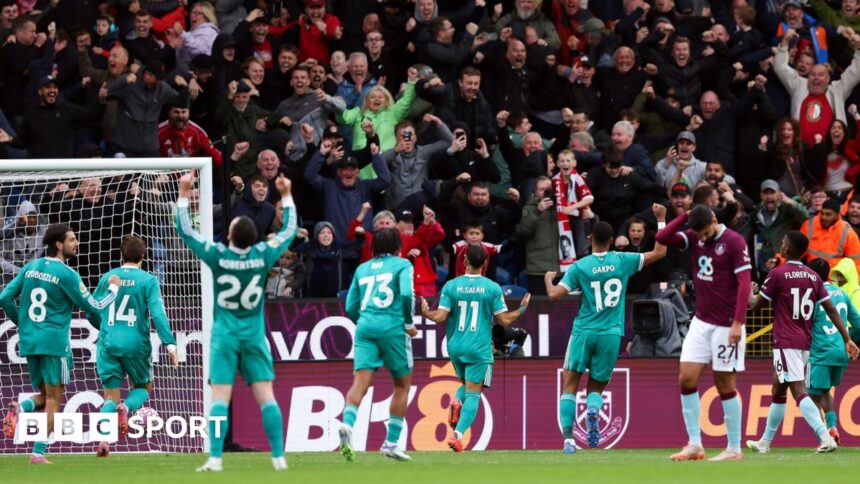
The roar of the away end, a vibrant splash of colour in a hostile sea, the relentless chants that defy geography—these are not mere embellishments to the Premier League spectacle; they are its very heartbeat. In a decision that champions the game’s core supporters, the 20 Premier League clubs have unanimously voted to extend the £30 price cap on away tickets for a further two seasons, securing it until the conclusion of the 2027-28 campaign. This move, ratified at a recent shareholders’ meeting, ensures a vital piece of fan-friendly policy will have spanned an impressive 12 consecutive seasons since its 2016 inception. It’s more than a financial freeze; it’s a statement of intent about the value of atmosphere, loyalty, and the very essence of English football’s competitive drama.
The Cap That Cemented Culture: More Than Just a Price Tag
Introduced in 2016 following sustained pressure from fan groups, most notably the Twenty’s Plenty campaign, the £30 cap was a landmark moment. It addressed a growing crisis where loyal supporters were being priced out of following their teams across the country, with some away tickets previously creeping toward the £60 mark. The Premier League’s own statement accompanying the extension hit the nail on the head: “Away fans help create the incredible atmosphere Premier League matches are renowned for.” This is not corporate fluff; it’s a recognition of a fundamental economic and cultural truth.
The impact of the cap is multifaceted:
- Preservation of Atmosphere: Full away sections create a reciprocal energy that elevates the entire event. The cap helps ensure these sections are populated by passionate, vocal fans, not just those with the deepest pockets.
- Supporting Fan Mobility: It makes following a team a more predictable annual cost, allowing fans to budget for travel and sustain their commitment over a gruelling season.
- Competitive Integrity: A strong away presence can genuinely influence proceedings on the pitch, providing the famous “twelfth man” effect that is a hallmark of the league’s unpredictability.
By extending this policy, the Premier League has, for now, resisted the temptation to monetize every last square foot of stadium real estate, acknowledging that the matchday experience’s intangible value is partly built by those who travel.
The Unanimous Vote: Reading Between the Lines of Club Agreement
The fact that the vote was unanimous is significant. It reveals a rare consensus in a landscape often defined by self-interest and the vast financial gulfs between clubs. Why would a top-six club with a global fanbase and a 60,000-seat waiting list care about an away fan cap? The reasons are both pragmatic and symbolic.
Firstly, it’s a reciprocal agreement. What a “big six” club saves on sending 3,000 fans to a distant away ground, it may forgo in revenue from a smaller club’s travelling support. It creates a financial equilibrium that all clubs, regardless of size, can accept. Secondly, in an era of intense scrutiny over football’s governance—from the European Super League debacle to the ever-present shadow of state ownership—this is a relatively low-cost, high-PR win. It projects an image of unity and concern for the game’s roots, a vital piece of reputation management for a league constantly selling itself to global broadcasters.
However, experts caution that this goodwill must not be seen in isolation. “The away ticket cap is a brilliant and vital policy,” notes veteran football journalist Martin Cloake, “but it exists alongside season ticket price rises, expensive home match categorisation, and often extortionate travel costs. It’s a pillar of fan fairness, but the entire stadium needs to be affordable, not just one end.”
The Future Landscape: Predictions and Looming Challenges
Looking ahead to the 2027-28 horizon, several predictions and challenges come into focus. The extension provides stability, but the landscape around it is shifting rapidly.
We can predict that fan groups will use this success as a springboard to push for wider affordability measures, such as caps on cup competitions or a broader “Twenty’s Plenty” model for all tickets. The debate will intensify around subsidised travel, a major cost component that the ticket cap does not address. Furthermore, as the league’s next UK broadcast rights cycle approaches, the clubs’ commitment to this cap amidst potentially fluctuating revenues will be a true test of its embedded value.
The major challenge will be external economic pressure. With inflation having significantly eroded the cap’s real-terms value since 2016, clubs are effectively absorbing a larger subsidy. The unanimous vote suggests this is a cost they are currently willing to bear for the greater good of the product. However, should a major economic downturn squeeze finances, the unanimity of 2024 could be tested when the next vote arrives.
A Cornerstone of the Modern Game, But Not the Entire Foundation
The extension of the £30 away ticket cap is an unequivocal victory for the culture of English football. It is a policy that has directly preserved one of the Premier League’s most unique selling points: its visceral, partisan, and electrifying atmospheres. In a globalised sport where fans are often treated as consumers and atmospheres can become homogenised, the sight and sound of a packed away end remains a potent symbol of local identity and fierce loyalty.
Yet, it is crucial to view this not as the end of the affordability fight, but as a solidified cornerstone. The true test for the Premier League’s commitment to its match-going fans will be whether this principle of affordable access can be expanded and protected against all future commercial pressures. For now, though, the travelling supporter—the pilgrim of the Premier League—has been given security for another four seasons. Their songs, their colour, and their unwavering faith have been deemed priceless, even if their ticket now has a permanent, modest price. That, in the modern footballing economy, is a result worth celebrating.
Source: Based on news from BBC Sport.