NFL Owners to Vote on Raiders Succession Plan, Potentially Shaping Franchise’s Future
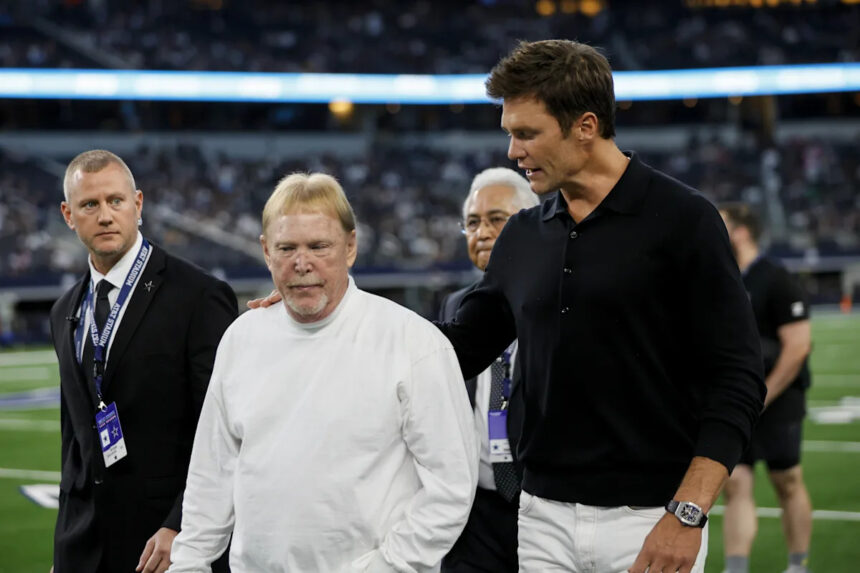
In the high-stakes world of the National Football League, where legacy and liquidity often collide, a pivotal vote is set to take place that could chart the long-term future of one of its most iconic franchises. According to an exclusive report from ESPN’s Seth Wickersham and Don Van Natta Jr., NFL owners will gather at the annual spring meeting in Phoenix to vote on a Las Vegas Raiders succession plan for majority owner Mark Davis. This move, while framed as prudent estate planning, sends ripples through the league, signaling a potential new era for the Silver and Black and introducing a powerful private equity figure into the inner circle of NFL ownership.
The Davis Dynasty and the Question of Legacy
For over half a century, the Raiders have been synonymous with the Davis family. The legendary Al Davis, a maverick who shaped the modern NFL, built the franchise’s rebellious identity. Upon his passing in 2011, control passed to his son, Mark Davis. Unlike his father, who was a football lifer, Mark has operated as the steward of the family trust, overseeing the monumental move from Oakland to Las Vegas and the construction of Allegiant Stadium. However, with Mark Davis having no direct heirs, a cloud of uncertainty has perpetually hung over the franchise’s long-term ownership trajectory.
This is not merely a family matter; it is a league-wide concern. The NFL zealously guards its ownership rules, requiring controlling owners to hold a minimum 30% stake and prioritizing stable, long-term succession. The lack of a clear plan for a flagship franchise like the Raiders is a scenario the league office prefers to avoid. The upcoming vote, therefore, is a proactive measure to install a succession plan that provides clarity and continuity, ensuring the Raiders avoid a chaotic or contested transition whenever Mark Davis decides to step away or passes on.
Egon Durban: The Private Equity Power Player in the Owner’s Box
At the center of this planned succession is a man more familiar with boardrooms than end zones: Egon Durban, the co-CEO of the private equity giant Silver Lake. Durban is not a new face in Raiders headquarters. His firm’s deep pockets and strategic expertise were instrumental in financing the Las Vegas stadium project. In December 2024, he solidified his position by purchasing a 7.5% stake in the team, becoming a minority owner alongside other high-profile investors like Tom Brady.
Durban’s influence has already extended beyond finance. Sources confirm he has been actively involved in the Raiders’ head coach searches over the past two offseasons, a rare level of operational involvement for a limited partner. His global sports portfolio, including a seat on the board of English soccer powerhouse Manchester City, demonstrates a sophisticated understanding of the modern sports ecosystem—a quality highly attractive to a league expanding its international footprint.
The key elements of Durban’s profile include:
- Financial Clout: Access to immense capital through Silver Lake, which manages over $100 billion in assets.
- Sports Governance Experience: Hands-on experience with a top-tier global sports franchise at Manchester City.
- Operational Involvement: Already engaged in key football decisions for the Raiders, signaling Davis’s trust.
- First-Right of Refusal: The succession plan would grant him the option to purchase a controlling stake if Davis or his heirs ever sell.
Decoding the NFL’s Spring Meeting Vote
The vote in Phoenix is a two-part procedural dance, each step laden with significance. First, owners will vote on approving a minor transaction: Mark Davis selling approximately seven percent of the team to Egon Durban and another existing limited partner, Micahel Meldman. This further consolidates Durban’s stake and aligns with typical annual ownership adjustments.
The second, and far more consequential, vote is on the formal succession plan. This plan would legally codify Durban’s path to control. It is crucial to note that this does not force a sale. Mark Davis has repeatedly expressed no intention to sell his majority stake. Instead, the plan acts as a binding blueprint for the future. Should the triggering event occur—a decision by Davis or his estate to sell—Durban would have the clear right to purchase the club. He would then still need to undergo the full, rigorous approval process from the NFL’s ownership committee and secure a yes vote from at least 24 of the 32 team owners.
This structure offers benefits for all parties: Davis secures his legacy and control for life, the NFL gets a vetted and orderly transition plan, and Durban secures a potential pathway to the most exclusive club in sports.
Analysis: What This Means for the Raiders and the NFL
This potential succession plan is a landmark moment, reflecting broader shifts in the NFL’s ownership landscape. The era of the sole, family-based owner is gradually giving way to more complex, corporate-style structures involving institutional capital and consortiums of ultra-wealthy individuals.
For the Raiders: Stability is the immediate takeaway. The franchise, which has endured relocation and rebuilding, can operate with a clear long-term vision. A future with Durban at the helm suggests a continuation of a data-aware, globally-minded, and financially robust operation. However, it also raises questions about the soul of the franchise. Will the “Commitment to Excellence” and “Just Win, Baby” mantras hold the same weight under a private equity titan as they did under the football-obsessed Al Davis? The balance between corporate efficiency and fan-facing passion will be the ultimate challenge.
For the NFL: Approving Durban as a future controlling owner would be a tacit endorsement of private equity’s growing role. While leagues like the NBA and MLB have been more open to institutional investment, the NFL has traditionally been a fortress of individual wealth. Durban’s ascent, following the approval of the Brady-led ownership group in Miami, shows the league is adapting. It values the massive capital, international expertise, and sophisticated management these investors bring, especially as franchise valuations soar past the $7 billion mark.
Predictions and the Road Ahead
The votes in Phoenix are expected to pass. The league has a vested interest in orderly succession, and Mark Davis has earned considerable goodwill for delivering the Las Vegas market. The narrative will not be one of a forced exit, but of prudent planning.
Looking ahead, we can anticipate:
- Increased Influence for Durban: His role in football operations and strategic direction will likely grow steadily, even as Davis remains the public face.
- A New Model for Ownership Transition: Other aging owners without clear heirs may look to this Raiders plan as a template, using trusted minority partners as succession vehicles.
- Scrutiny on Private Equity: The league will carefully monitor how this model impacts competitive balance, fan perception, and the traditional owner-operator model.
For now, the Raiders remain, unequivocally, Mark Davis’s team. He will continue to sit in his customary spot at the 50-yard line, his bowl-cut silhouette a familiar symbol. But the machinery of modern professional sports never sleeps. The vote in Phoenix is about installing a carefully engineered engine for the future—one designed to ensure that when the time for change finally comes, the Raiders’ transition is as smooth as a perfectly thrown spiral, securing the legacy of a legendary franchise for the next generation.
Source: Based on news from Yahoo Sports.