Keep Tudor? Go for De Zerbi, Mason or Redknapp? The Defining Crossroads for Tottenham Hotspur
The image was stark, a portrait of a crumbling project. Igor Tudor, hands in pockets, stared into the abyss of the Tottenham Hotspur Stadium as Nottingham Forest celebrated a third goal. The 3-0 defeat wasn’t just a loss; it was a surrender, a performance so anaemic it has triggered a full-blown institutional crisis. With Spurs languishing one precarious point above the relegation zone, the club’s hierarchy—CEO Vinai Venkatesham, sporting director Johan Lange, and the overseeing Lewis family—faces the most defining decision of their tenure. The gamble on Tudor has backfired spectacularly. The question now isn’t just about survival, but identity: where do Spurs go next?
The Tudor Experiment: A Gamble That Failed to Pay Off
When Tottenham moved for Igor Tudor in the wake of yet another managerial departure, it was seen as a left-field, high-risk appointment. The club sought a disciplinarian, a coach with a clear tactical identity to shake a complacent squad. Seven matches in, the identity is clear: chaos. With only one win, a porous defence, and a disconnected attack, Tudor’s reign has accelerated the season’s spiral.
The damaging 3-0 home defeat to Nottingham Forest was the nadir. It wasn’t that Spurs lost to a fellow struggler; it was the manner of the defeat. The team looked devoid of structure, confidence, and fight—the very qualities a coach of Tudor’s reputed stern demeanour was supposed to instil. His post-match demeanour, downcast and seemingly out of answers, spoke volumes. The project, if there ever was a coherent one, is already on life support. The pressure is now less on Tudor, who appears a dead man walking, and squarely on the executives who appointed him.
The Hierarchy in the Hot Seat: A Test of Nerve and Vision
All eyes are now on the decision-makers at the top. CEO Vinai Venkatesham finds himself under a uniquely intense microscope. His previous association with Arsenal makes him a lightning rod for fan frustration, and his legacy at Spurs will be defined by this next move. Alongside sporting director Johan Lange, the pair must diagnose a critical error in judgement and correct it with speed and precision. The Lewis family’s oversight adds another layer, demanding not just a short-term fix but a credible long-term plan.
This is more than a simple managerial change. It is a referendum on the club’s direction. Do they double down on a perceived “project” coach, or do they seek an immediate firefighter with a knowledge of the Premier League? The gamble of Tudor’s appointment has backfired so completely that the appetite for another experimental choice may be zero. The next appointment must achieve two near-immediate goals: secure Premier League status and reconnect a disillusioned fanbase with the team on the pitch.
The Candidate Conundrum: Pragmatism vs. Project
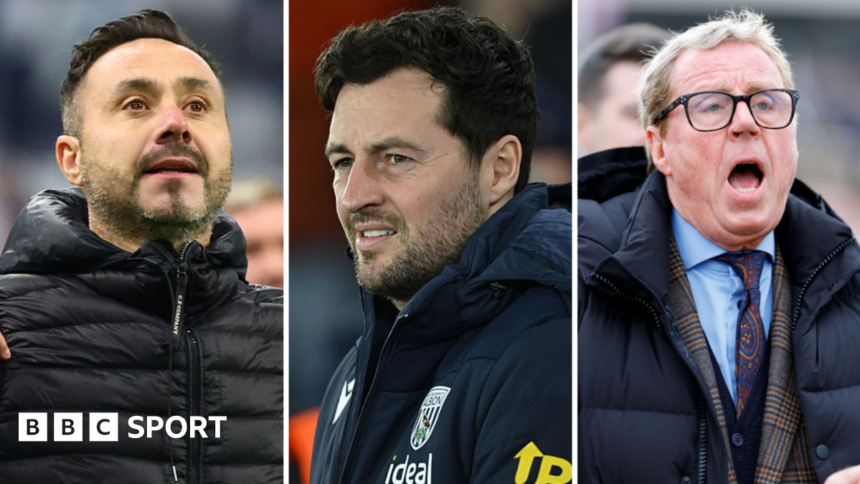
With the urgency of the situation clear, the shortlist of potential successors takes on a new shape. Each candidate represents a distinctly different path.
- Roberto De Zerbi: The glamour name. He represents the project Tottenham fans crave—attacking, possession-based, and progressive. However, his availability is uncertain, his adaptation period could be rocky, and his appointment would feel like planning for next season while the current one burns. Is he a luxury Spurs can afford right now?
- Ryan Mason: The club stalwart. He understands the fabric of Tottenham, commands respect in the dressing room, and would provide a steady, empathetic hand. He is the safe, internal option. But is “safe” what is needed? His previous interim spells showed promise but also highlighted his managerial inexperience in a relentless crisis.
- Harry Redknapp: The shock return. This would be the ultimate signal of pure, unadulterated pragmatism. ‘Arry is the quintessential firefighter, a master of man-management and securing results with what he has. His return would be a populist move and likely galvanise the squad and fans in the short term. Yet, it is undeniably a step backwards, a panic move acknowledging a dire emergency.
Other names will circulate, but these three encapsulate the core dilemma: long-term vision (De Zerbi), sentimental stability (Mason), or survivalist pragmatism (Redknapp).
Prediction and Path Forward: The Necessary Compromise
Given the extreme peril of the league position and the toxic atmosphere, the board cannot afford another philosophical misstep. The season spiralling into crisis demands immediate, proven action. Therefore, the most likely and sensible path involves a two-stage approach.
First, Tottenham must bring in a manager whose sole focus is securing Premier League safety. This points towards a short-term contract for a figure like Harry Redknapp, or a similar experienced campaigner, to steady the ship, organise the defence, and grind out the necessary points. His appointment would be a clear message: survival is the only priority.
Second, the club must concurrently begin a meticulous, silent search for the long-term project leader, be it De Zerbi or another visionary, with an appointment planned for the summer. This allows the new sporting structure under Lange to properly identify a candidate who fits a sustainable model, without the pressure of a relegation battle distorting their judgement.
This compromise acknowledges the failure of the Tudor era without repeating it. It separates the urgent mission from the long-term vision.
Conclusion: More Than a Manager, A Reckoning
Tottenham Hotspur’s next move is the most critical in a generation. It is not simply about hiring a new head coach; it is a reckoning for a leadership group whose strategy has led the club to the brink. The pressure on CEO Vinai Venkatesham is immense, his Arsenal past a complicating footnote in a Spurs story currently devoid of glory.
Keeping Igor Tudor seems an impossibility after the Forest debacle. The chaos must end. The choice between De Zerbi, Mason, and Redknapp is a choice between three futures: a hopeful but risky tomorrow, a comfortable but uncertain today, or a desperate but proven yesterday. In the cold light of the relegation zone, pragmatism must win. Spurs must first survive. Only then can they once again dare to dream. The clock is ticking, and the entire football world is watching to see if Tottenham’s hierarchy has the clarity and courage to make the right call.
Source: Based on news from BBC Sport.