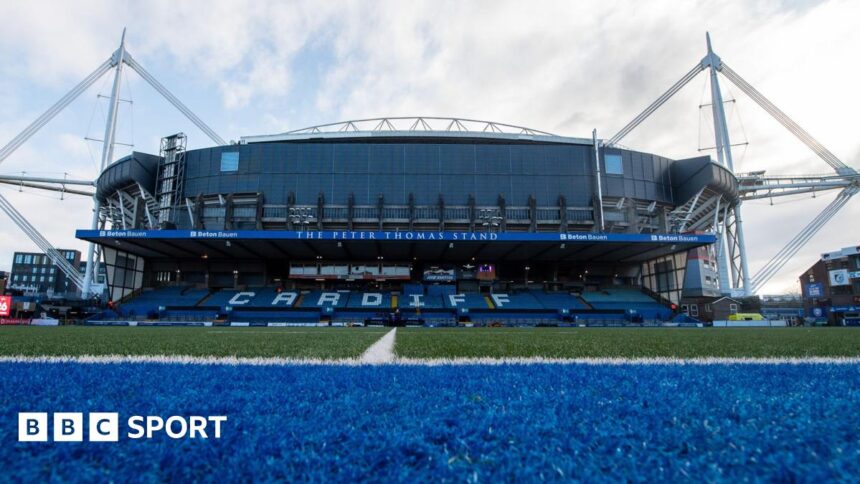
Cardiff Takeover Turmoil: Ospreys Owners’ Bid Collapses, Leaving Arms Park Future in WRU Hands
The landscape of Welsh regional rugby has been thrown back into a state of flux and uncertainty. In a dramatic turn of events, the proposed takeover of Cardiff Rugby by Y11 Sport & Media, the owners of arch-rivals the Ospreys, has collapsed. The Welsh Rugby Union confirmed the deal is off after a prolonged period of exclusivity, dashing hopes of a radical new structure and leaving the iconic capital city club firmly back under the governing body’s control. This failure casts a long shadow over the professional game in Wales just as Cardiff prepares to host the Ospreys in a pivotal Welsh derby at the Arms Park this Friday.
A Deal Built on Ambition, Felled by Complexity
The proposed acquisition was always a bold, controversial, and complex proposition. Announced in January 2026, the WRU’s decision to enter an exclusive negotiation period with Y11 Sport & Media sent shockwaves through the rugby community. The vision was unprecedented: a single entity owning two of Welsh rugby’s fiercest and most historic rivals. Proponents argued it could streamline costs, create a stronger combined commercial entity, and secure long-term financial stability for both clubs. Skeptics feared a loss of identity, a conflict of interest that could undermine the integrity of derby matches, and the creation of a problematic monopoly in Welsh professional rugby.
The initial exclusivity period expired in March but was extended by a critical 30 days, a clear sign that significant hurdles remained. Those final weeks of negotiation ultimately proved insurmountable. The WRU and Y11 released a joint statement, citing “constructive discussions” but a mutual agreement to withdraw from the bid process. The devil, as always, is in the detail left unspoken. Industry experts point to several likely deal-breaking complications:
- Financial Valuation and Liabilities: Unraveling Cardiff’s precise financial position, including debt and future stadium obligations at the Arms Park, likely presented a major challenge.
- Governance and Sporting Integrity: Designing a framework where one owner oversees two competing teams in the same league is a logistical and ethical minefield, potentially requiring complex “Chinese wall” structures.
- Stadium and Logistical Realities: The geographical and operational divide between Swansea’s Swansea.com Stadium and Cardiff’s Arms Park creates inherent inefficiencies a single owner would struggle to reconcile.
- Supporter and Stakeholder Backlash: The fierce opposition from Cardiff and Ospreys fans to the merger of identities may have ultimately made the commercial proposition less viable.
Immediate Fallout: WRU Back in the Hot Seat
The collapse has immediate and profound consequences. Cardiff Rugby now remains under the direct ownership of the WRU, a situation the governing body had explicitly sought to end. For the WRU, this represents a significant strategic setback. Their stated goal has been to move the professional regions into private hands, insulating the union from financial risk and allowing it to focus on its broader community and international remit. This failure leaves them managing a major asset they no longer wanted to own, diverting crucial attention and resources.
For Cardiff, the status quo brings both a sigh of relief and a wave of anxiety. The passionate fanbase, largely opposed to the merger, has preserved its club’s independent identity—for now. Players and staff can focus on the field without the cloud of a merger hanging over them. However, the long-term financial security the deal promised is gone. The club continues to operate in a perilous economic climate for Welsh rugby, with the Arms Park itself in need of significant investment. The question of who will fund Cardiff’s future is once again wide open, and the WRU’s appetite for continued bankrolling is untested.
Ironically, the first test of the new-old reality comes this Friday night. The Cardiff vs. Ospreys derby, always a heated affair, now carries an extra layer of narrative intrigue. The off-field drama will fuel the atmosphere at the Arms Park, with both sets of supporters likely to voice their opinions on the collapsed deal. On the pitch, it becomes a pure sporting contest, free from the immediate shadow of shared ownership—a relief for competition purists.
Expert Analysis: What Went Wrong and What Comes Next?
From a strategic standpoint, the deal’s collapse reveals the profound difficulties in restructuring Welsh regional rugby. “This was always a high-wire act without a safety net,” notes one seasoned rugby finance analyst. “The WRU and Y11 were trying to solve a financial equation with too many unknown variables. The emotional capital of the rivalry, which is immense, also has real commercial value. Diluting that brand power through a merger or shared ownership was a risk they seemingly couldn’t quantify or mitigate.”
The failure of this exclusive negotiation also damages the WRU’s process. Having pinned their hopes on one bidder for over three months, they now have no clear alternative in the pipeline. It suggests a lack of robust, competitive bids for the regions, underscoring the unattractive financial model of the Welsh game to outside investors. The focus now shifts back to the WRU’s boardroom. Do they restart a sale process for Cardiff, potentially at a lower valuation? Do they seek a different model of investment, such as a minority stakeholder? Or do they double down on direct ownership as part of a more centralized Welsh rugby model?
Predictions for the path forward are fraught, but several scenarios are now in play:
- Extended WRU Stewardship: The most likely short-term outcome. The WRU will aim to stabilize Cardiff, but will be under immense pressure to articulate a new, credible long-term plan.
- Search for a New Buyer: The WRU may quietly canvas for alternative investors, but the collapsed deal may have further chilled the market.
- Radical Realignment Talks: This failure could force a more fundamental, union-wide conversation about reducing from four regions to three, a prospect that remains the elephant in the room.
- Increased Pressure for Success: On the field, Cardiff will need to perform. A winning team improves commercial prospects and attracts interest, making success now a financial imperative as much as a sporting one.
Conclusion: A Crossroads Revisited, Not a Destination Reached
The collapse of the Cardiff-Ospreys ownership deal is not an ending, but a painful reset. It has exposed the raw nerves and deep-seated structural problems within the professional game in Wales. While it averts an immediate and controversial merger of identities, it solves precisely none of the underlying issues of finance, infrastructure, and sustainability. The WRU, having gambled on a single, revolutionary solution, finds itself back at square one, with a fanbase wary of its next move and a club whose future is as uncertain as ever.
This Friday, the roar at the Arms Park will be a cathartic release. For 80 minutes, the focus will return to the pitch, to the tribal passion that makes the Welsh derby special. But when the final whistle blows, the hard questions will remain. The failed takeover has proven that there are no easy answers for Welsh rugby. The path forward requires not just a new buyer or a new plan, but a genuine, collaborative vision that marries commercial realism with the irreplaceable heart and soul of the clubs their communities cherish. The game in Wales continues to search for its saving grace, and the search just got harder.
Source: Based on news from BBC Sport.