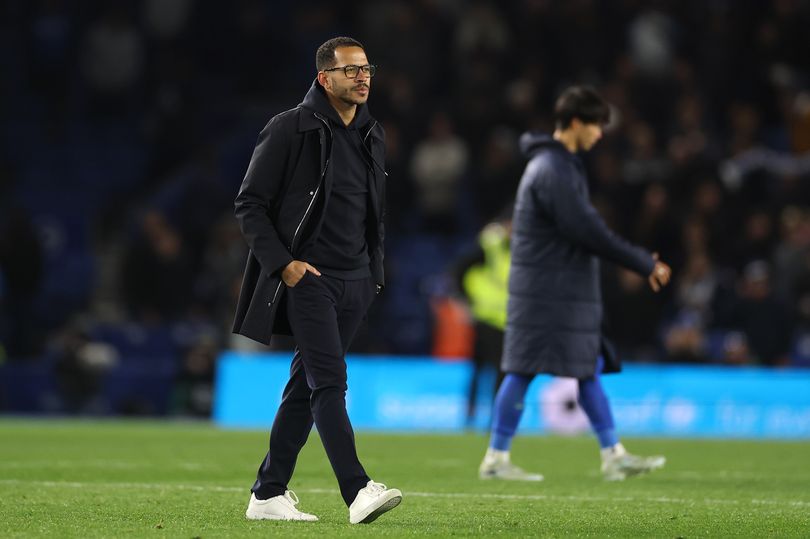
Chelsea Axe Liam Rosenior After Catastrophic Three-Month Reign
The revolving door at Stamford Bridge has spun with brutal, predictable force once more. Chelsea Football Club have confirmed the dismissal of manager Liam Rosenior after a mere three months in charge, a tenure defined by historic failure and culminating in a furious player revolt. The decision, confirmed late Wednesday, follows a dismal 3-0 defeat to Brighton & Hove Albion that sealed a fifth consecutive Premier League loss without scoring a single goal—the club’s worst run of top-flight form in 114 years.
A Reign Unraveled: From Hope to Historic Low
Appointed in January following a protracted search, Liam Rosenior arrived with a reputation as a progressive, communicative coach, tasked with steadying a ship already listing badly. Initially, there were glimpses of cohesion. However, the facade quickly crumbled. The five straight Premier League defeats under Rosenior were not merely losses; they were performances devoid of identity, fight, and crucially, goals. The 3-0 capitulation at the Amex Stadium was the final, damning indictment.
In his post-match comments, Rosenior did not hold back, labeling his team’s display “unacceptable” and promising swift changes for the upcoming FA Cup semi-final. This public critique, however, proved to be the catalyst for his downfall. Reports indicate that senior players reacted furiously to his remarks, viewing them as a deflection of responsibility from the coaching staff. This breach of the dressing room, more than the results themselves, forced the board’s hand. The hierarchy, already in a state of alarm over the league position, convened emergency talks on Wednesday. With the squad in open rebellion and the statistics painting a picture of historic ineptitude, the decision was made to cut ties immediately.
Anatomy of a Collapse: Where It Went Wrong for Rosenior
Analyzing Rosenior’s brief and brutal stint reveals a perfect storm of structural issues and managerial shortcomings. His appointment itself was a gamble—a relatively inexperienced coach asked to manage a squad of high-priced, strong-willed stars at a club synonymous with impatience.
- Tactical Indecision: Rosenior never settled on a consistent system or starting XI, oscillating between formations and personnel. This lack of a clear football identity left players confused and bereft of confidence on the pitch.
- Attack Goes Mute: The most staggering statistic is the goal drought. Five games, zero goals. The attacking patterns were non-existent, with creative players isolated and forwards starved of service. The Chelsea attack looked less potent with each passing week.
- Dressing Room Dynamics: The ultimate undoing. Rosenior’s man-management, initially seen as a strength, failed under the pressure of losing. The public criticism after the Brighton game was a terminal error, exposing a rift he could no longer bridge.
The club’s official statement, thanking Rosenior for his “integrity and professionalism,” is standard corporate fare. The telling line is the admission that “recent results and performances have fallen below the necessary standards.” At Chelsea, those standards are non-negotiable, and the plunge had been too deep, too fast.
Stamford Bridge Crisis: What Comes Next for Chelsea?
This decision plunges Chelsea into yet another period of profound uncertainty on the eve of a season-defining FA Cup semi-final against Leeds United. Assistant coaches are expected to take interim charge at Wembley, a desperate scenario for a club of this stature.
The search for a seventh permanent manager in under five years begins anew. The board must now answer existential questions: Do they seek another promising project manager, or chase a proven, heavyweight name capable of commanding immediate respect from a fractured squad? Names like Mauricio Pochettino and Luis Enrique will inevitably resurface, but the Chelsea job has lost much of its lustre, now viewed as a poisoned chalice defined by extreme pressure and minimal patience.
More critically, this episode exposes a deep-rooted cultural problem at Stamford Bridge. The player power that contributed to Rosenior’s exit is a dangerous precedent. The squad, assembled at enormous cost, lacks leadership and accountability. The next manager’s first task will not be tactical; it will be anthropological—to rebuild a culture from the rubble of repeated failures.
The Road Ahead: Predictions for a Club at a Crossroads
The immediate future is bleak. A demoralized squad with interim leadership faces a ferocious Championship opponent at Wembley, with a cup final the only remaining chance to salvage something from a catastrophic season. In the league, they are drifting, with European qualification now a distant dream.
Looking forward, several predictions seem clear:
- The summer will witness a significant player exodus, as the club seeks to balance the books and remove disruptive elements from a bloated squad.
- Whoever accepts the managerial role will demand, and must receive, unprecedented time and authority from the ownership to instil a new philosophy. The old model is broken.
- The club’s recruitment strategy, focused on young potential, will face intense scrutiny. The need for experienced, character-driven leaders is now glaringly obvious.
For Liam Rosenior, a promising coaching career suffers a very public setback. For Chelsea, this is more than another sacking; it is a symbol of a grand project in disarray. The dismissal is a definitive admission that the current course is unsustainable. The Chelsea hierarchy has stopped the bleeding, but the patient remains in critical condition. The remedy will require more than just a new face on the touchline; it demands a soul-searching recalibration of everything the modern Chelsea has become. The Blues have hit rock bottom, and the long, painful climb back begins with a familiar, hollow echo: the search for a new manager.
Source: Based on news from Yahoo Sports.