U.S. Diplomatic Gambit: Trump Envoy Urges FIFA to Swap Iran for Italy in World Cup
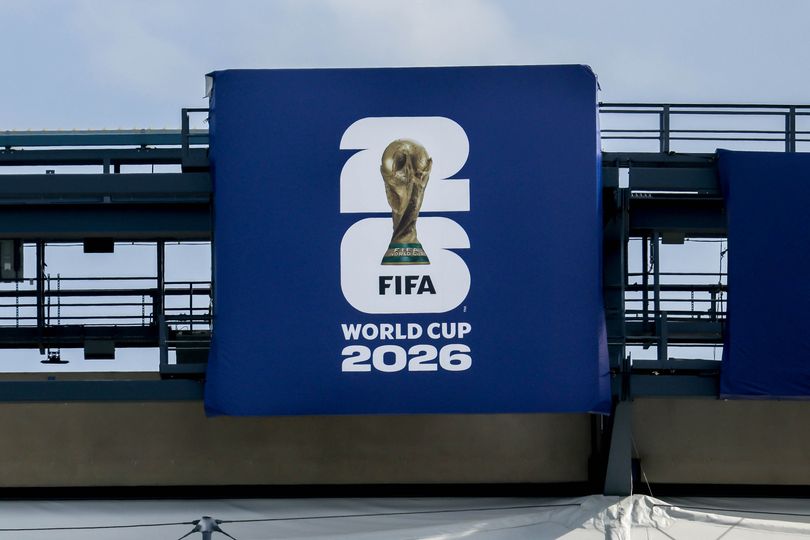
In an unprecedented move that sits at the combustible intersection of geopolitics and global sport, a special envoy from the administration of President Donald Trump has formally called on FIFA to eject Iran from the 2026 World Cup and replace the qualified nation with Italy. This explosive request, confirmed by sources close to the State Department, comes as the world’s most-watched sporting event prepares to land on North American soil, hosted by the United States, Canada, and Mexico. The proposal, framed around the ongoing instability in Iran, has ignited a firestorm of debate, challenging the sacred principle of sporting merit and threatening to politicize the tournament before a single ball is kicked.
The Geopolitical Pitch: Security, Stability, and Sport
The envoy’s argument hinges on the security and operational integrity of the 2026 World Cup. Since late February, U.S. and Israeli military operations in the region have cast a long shadow, with the current situation described as a fragile ceasefire. President Trump’s recent announcement of an extension to this pause “until such time as their proposal is submitted, and discussions are concluded” underscores the precarious and unresolved nature of the conflict. The U.S. position, as articulated by the envoy, questions the feasibility and safety of hosting a national team from a nation in the throes of war, citing potential visa complications, security protocols for delegation and fans, and the overarching goal of a peaceful, unified event.
From a purely sporting perspective, Iran’s participation is shrouded in uncertainty. The team, managed by Amir Ghalenoei, earned its place on the pitch in March 2025 through the grueling Asian qualification process. In the December draw, they were placed in Group G alongside Belgium, Egypt, and New Zealand, a challenging but navigable path. However, the practicalities of preparation—friendlies, training camps, and logistical planning—are nearly impossible for a federation operating in a war-torn environment. The U.S. proposal suggests that replacing Iran with a ready, elite football nation is not only a geopolitical statement but a pragmatic solution for tournament organizers.
FIFA’s Conundrum: Precedent, Principle, and Power
FIFA now faces a monumental decision that will define its autonomy for a generation. The governing body’s statutes are built on the principle of political neutrality, and its history with forced replacements is sparse and specific—typically reserved for nations facing blanket international sanctions or those that have disintegrated as footballing entities. Replacing a qualified team for geopolitical reasons, at the behest of a host nation’s government, would set a dangerous and far-reaching precedent.
- Sporting Integrity: Iran legitimately qualified. To remove them undermines the entire competitive structure of global football.
- Political Neutrality: FIFA has long struggled to separate itself from state influence. Acceding to this request would be seen as capitulation to U.S. foreign policy.
- Global Reaction: The move would likely provoke fierce backlash from Asian football confederations, other nations sympathetic to Iran, and purists worldwide.
- The Italian Dilemma: While the Azzurri, having missed qualification, would undoubtedly accept the invite, their entry would be forever marked with an asterisk, a bittersweet consolation prize born from conflict.
The 2026 World Cup host city planning adds another layer of complexity. Cities across the U.S., Mexico, and Canada are deep into preparations, with a major focus on complementary transport solutions to combat rocketing domestic travel prices. A last-minute change in participating teams, especially one charged with political tension, would introduce unforeseen security and logistical challenges for host metro areas expecting specific fan groups.
Expert Analysis: The Ripple Effects Across Football
Football analysts and geopolitical experts are united in viewing this as a watershed moment. “This isn’t just about Iran or Italy,” notes Dr. Elena Rossi, a sports diplomacy scholar. “This is a direct test of FIFA’s sovereignty. If they comply, they effectively endorse the idea that host nations can shape the tournament’s participants based on their foreign policy. The integrity of World Cup qualification becomes contingent on global politics.”
Within the football world, the news resonates on other fronts. The club game continues unabated, with dramas like Pep Guardiola confirming major injury blows ahead of Manchester City’s trip to Burnley dominating headlines. This stark contrast highlights the surreal nature of the international situation: while club managers fret over fitness reports, federations are grappling with existential questions about their place on the world’s biggest stage.
The human element for the Iranian players is tragic. Generations of footballers dream of World Cup participation. To have that earned right potentially stripped away by forces entirely beyond their control represents a profound sporting injustice. Their focus, amidst national turmoil, is now fractured by diplomatic maneuvering thousands of miles away.
Predictions and the Path Forward
The most likely outcome is a fierce, behind-the-scenes battle resulting in a FIFA rejection of the formal request. Expect a statement emphasizing “the separation of sport and politics” and confirming Iran’s place “pending their ability to fulfill sporting and operational obligations.” FIFA will likely work on contingency plans in utmost secrecy, but a public dismissal of the U.S. proposal is the probable first step.
However, the ongoing ceasefire and peace talks are the true wildcard. Should the conflict de-escalate significantly in the coming months, the U.S. rationale weakens. Conversely, a resumption of major hostilities could force FIFA’s hand on safety grounds, albeit through its own protocols rather than a political directive. Italy’s football federation, the FIGC, will remain in a state of quiet readiness but is expected to avoid any public lobbying, aware of the toxic perception it would create.
Ultimately, the specter of this proposal will hang over the tournament. It has already succeeded in injecting a palpable tension between the sporting and political organizers of the 2026 event. Host cities may now need to plan for enhanced security around any match involving Iran, a direct consequence of the diplomatic spotlight being shone upon them.
Conclusion: A Tournament Forever Altered
Before a single ticket is sold or a stadium is filled, the 2026 World Cup has encountered its first major controversy—and it is one of profound significance. The Trump administration’s push to replace Iran with Italy is more than a roster change; it is a challenge to the very heart of international sport. While grounded in real concerns about war and stability, the move risks legitimizing the politicization of football’s greatest carnival.
Whether FIFA stands firm or bends, the narrative for 2026 is now partially written. It will be a World Cup scrutinized not just for goals and glory, but as a case study in the limits of sporting autonomy. The beautiful game often mirrors the world’s complexities, but rarely has it been asked to so directly referee a geopolitical dispute. The final whistle on this decision will echo far beyond the pitch, setting a precedent that will define the relationship between states and stadia for decades to come.
Source: Based on news from Yahoo Sports.