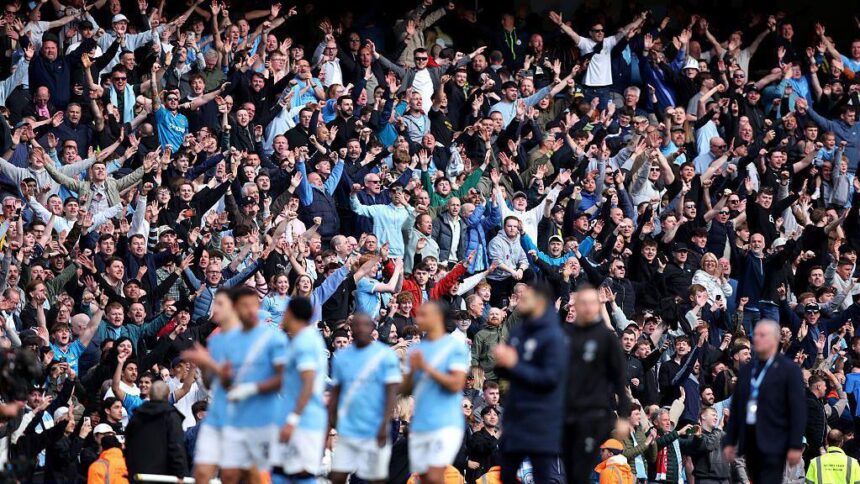
Manchester City Freeze Ticket Prices for Third Straight Season: A Masterclass in Fan Loyalty Amid Premier League Cost of Living Crisis
In a bold and refreshing move that stands in stark contrast to the escalating costs seen across the Premier League, Manchester City have frozen ticket prices for the 2026-27 season. This marks the third consecutive campaign where the reigning champions have chosen not to increase costs for their supporters, a decision that positions the Etihad Stadium as a beacon of affordability in an increasingly expensive football landscape.
While rival clubs like Manchester United, Arsenal, Newcastle, and Liverpool have all pushed through price hikes—sparking fan protests, most notably at Anfield earlier this month—City’s announcement is a calculated act of goodwill. But is it purely altruistic, or is there a deeper strategy at play? As a sports journalist who has covered the financial evolution of English football for over a decade, I can tell you this: City’s move is a masterstroke in fan relations, brand management, and long-term commercial stability.
The Cost of Living Reality: Why City’s Freeze Matters More Than Ever
The backdrop to this decision cannot be overstated. The cost of living crisis continues to squeeze household budgets across the United Kingdom. Energy bills, food prices, and mortgage rates remain stubbornly high, and for the average working-class fan, the weekly matchday pilgrimage has become a luxury rather than a given. Manchester City’s official statement acknowledged this head-on: the club took the approach “in recognition of the extraordinary accumulated impact of the current cost of living pressures on fans and their families.”
This is not just PR spin. When you look at the numbers, the freeze is tangible relief. General admission season tickets and Premier League match-by-match tickets for both adult and junior members will remain at the same rate as the previous two seasons. For a family of four, that saving can amount to hundreds of pounds over the course of a campaign, especially when you factor in travel, food, and merchandise.
- Adult season tickets will not see a single penny increase.
- Junior membership prices remain locked in, encouraging the next generation of fans.
- Match-by-match tickets for all Premier League home games will stay at 2025-26 levels.
This is a direct response to the fan fatigue that has been brewing in English football. Protests at Anfield earlier this month, where Liverpool supporters demonstrated against a proposed 5% ticket price rise, were a stark warning to clubs that the goodwill of the terraces has limits. City have clearly been paying attention.
New £25 Midweek Ticket Bracket: A Game-Changer for Working Fans
Perhaps the most innovative element of the announcement is the introduction of a new bracket of adult ticket prices starting at just £25 for selected midweek Premier League games. This is a direct acknowledgment of the logistical and financial burden that midweek football places on fans. Attending a Tuesday night fixture after a full day at work—often requiring time off, travel through rush-hour traffic, and late-night returns—is a significant commitment.
By offering a discounted tier for these less glamorous slots, City are doing something that few top-flight clubs dare to attempt: dynamic pricing with a conscience. Instead of charging a premium for inconvenient slots (as some clubs do for “category A” games), they are effectively subsidizing the experience for those who make the extra effort.
This is a shrewd move for several reasons:
- It fills the stadium. Midweek games often have lower attendance due to travel constraints. A £25 price point makes it a no-brainer for thousands of fans who might otherwise watch from home.
- It builds loyalty. Fans who take advantage of this deal will remember the gesture when renewal season comes around.
- It sets a precedent. Other clubs, especially those with high commercial debts, will now face uncomfortable questions about why they are not following suit.
From an expert perspective, this is the most significant policy shift in Premier League ticketing since Arsenal introduced its controversial “Category A” pricing system over a decade ago. City are flipping the script: instead of punishing demand, they are rewarding commitment.
How City’s Freeze Compares to Rivals: A Tale of Two Strategies
The contrast with other Premier League giants could not be starker. Manchester United raised ticket prices by an average of 5% this season, despite the Glazer family’s ongoing ownership saga and fan unrest. Arsenal introduced a new “category A+” tier for games against the likes of Liverpool and Manchester City themselves, with some tickets exceeding £100. Newcastle United, under their Saudi-backed ownership, have also pushed through incremental increases, citing the need to fund infrastructure improvements. Liverpool, as mentioned, faced a full-blown fan protest at Anfield just weeks ago over proposed price rises.
City’s approach is a direct counter-narrative. While their rivals are extracting maximum short-term revenue from loyal supporters, City are investing in long-term goodwill. This is not just about being nice—it is about brand equity. In an era where football clubs are increasingly seen as corporate entities, City are positioning themselves as the “people’s champions” within the elite bracket.
Consider the optics: City are the Premier League leaders, the reigning champions, and one of the most successful clubs in world football. They could easily hike prices and still sell out every game. The fact that they have chosen not to is a powerful statement about their corporate philosophy. It also neutralizes a major criticism often leveled at state-backed clubs: that they are disconnected from the local community.
Furthermore, this freeze comes at a time when the club is under intense scrutiny from the Premier League’s investigation into historical financial breaches. By demonstrating a commitment to fan welfare, City are building a narrative of responsibility and transparency that may help soften public perception during the ongoing legal battles.
Expert Analysis: The Business Case for Freezing Prices
Let’s be clear: this is not a charitable act. Manchester City are a commercially sophisticated operation. There is a hard-nosed business logic behind freezing ticket prices for three consecutive seasons.
First, matchday revenue is a small fraction of total income. For a club like City, which generates hundreds of millions from broadcasting rights, sponsorship deals, and player sales, the difference between freezing prices and a 5% hike is relatively minor—perhaps a few million pounds. In the context of a £700 million turnover, that is a rounding error. The reputational benefit, however, is immense.
Second, it strengthens the club’s negotiating position with the fan base. When City eventually do need to increase prices—and they will, at some point—they can point to this three-year freeze as evidence of their good faith. Fans are far more likely to accept a moderate increase after a period of stability than after year-on-year hikes.
Third, it creates a competitive advantage in the talent market. Players want to play in front of full, passionate stadiums. A price freeze ensures that the Etihad remains accessible to the core fan base, generating the kind of atmosphere that attracts top talent. This is a subtle but real factor in recruitment.
Fourth, it hedges against economic downturn. If the cost of living crisis deepens, clubs that have already priced out their working-class supporters will face empty seats and declining atmosphere. City have insulated themselves from that risk.
My prediction? Other clubs will be forced to follow suit within the next 18 months. The fan protests at Anfield are only the beginning. As the cost of living continues to bite, the “price freeze” will become a standard expectation, not a generous exception. City are ahead of the curve, and their rivals are playing catch-up.
Strong Conclusion: A Victory for the Terraces
Manchester City’s decision to freeze ticket prices for a third consecutive season is more than a headline—it is a statement of intent. In a football world increasingly defined by greed, super-league breakaways, and corporate hospitality, the club has chosen to stand with the ordinary fan. The introduction of a £25 midweek ticket bracket is a genuine innovation that recognizes the real-world challenges of attending football during a working week.
While rivals like Manchester United, Arsenal, Newcastle, and Liverpool continue to test the limits of fan tolerance, City have demonstrated that loyalty and affordability can coexist with elite success. This is not just good PR; it is good business, good community relations, and good football.
As the Premier League hurtles toward an uncertain future of financial regulations, global expansion, and fan activism, Manchester City have planted a flag. They are saying that the soul of the game still matters. And for the thousands of fans who will walk through the Etihad turnstiles next season without paying a penny more than they did in 2024, that is the most valuable victory of all.
The message is clear: In a game of margins, sometimes the biggest win is keeping the price of admission exactly where it is.
Source: Based on news from Yahoo Sports.