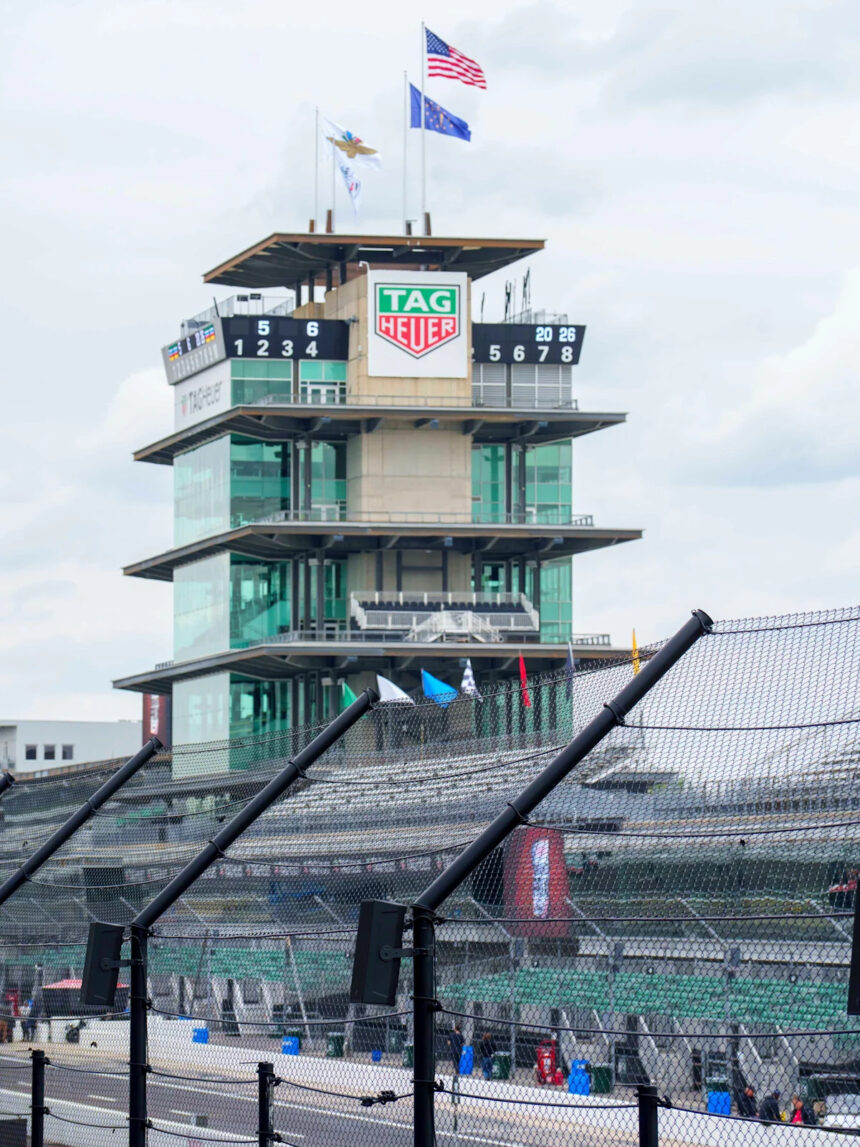
Indy 500 Qualifying Schedule Altered: No Bumping in 2026 Creates a High-Stakes Weekend at IMS
For the first time in recent memory, the Indianapolis 500 qualifying weekend will feel different. The roar of engines will still shake the grandstands at the Indianapolis Motor Speedway, but the traditional drama of “bumping”—where the slowest car is knocked out of the field—is officially gone. IndyCar has confirmed that with no bumping to occur ahead of the 2026 Indianapolis 500, the qualifying schedule has been modified for this weekend (May 16-17). This is not just a tweak to the calendar; it is a fundamental shift in how drivers and teams approach the most important qualifying session in motorsports.
The decision to eliminate bumping has been met with mixed reactions from purists and pragmatists alike. Bumping was the ultimate pressure cooker: a driver could be the fastest all month, then lose it all in a single, slow lap on Sunday. Now, with a guaranteed starting spot for every entrant, the pressure shifts from survival to pure speed. The new schedule is designed to maximize that speed, creating a two-day shootout that rewards consistency, bravery, and engineering brilliance. Let’s break down exactly what has changed, what it means for the drivers, and why this might be the most exciting—and controversial—qualifying weekend in decades.
How the New Indy 500 Qualifying Schedule Works (No Bumping Edition)
The 2026 format is a streamlined, elimination-style process that compresses the action into two intense days. Gone is the frantic “Last Row Shootout” that often decided the final three spots. Instead, every car is locked into the field, but the fight for pole position has become even more cutthroat.
Saturday, May 16: The Foundation is Laid
The first day of qualifying runs from 11 a.m. to 5:50 p.m. ET. Every car gets a chance to lay down four-lap averages. The key change? Positions 16 through 33 will be set on Saturday. That means the back half of the field is decided before Sunday even begins. However, the top nine cars from this session are not finished. They earn a ticket into the “top-12” session on Sunday. Cars ranked 10th through 15th also advance, but they go into the “Final 15” round.
Sunday, May 17: The Sprint to the Pole
Sunday is where the real fireworks happen. It starts with the Final 15 round at 4 p.m. ET. The 15 cars (positions 10-15 from Saturday plus the nine fastest) fight to stay alive. After this, the top 12 advance to the Top 12 Shootout at approximately 5 p.m. ET. Finally, the fastest six cars from that group battle in the Fast Six at approximately 6:35 p.m. ET to determine the front three rows. The fastest driver overall will claim the pole position and a $100,000 prize.
Key Takeaways from the New Schedule:
- No Bumping: Every car is in the race. This eliminates the “bubble” drama but increases the focus on outright speed.
- Saturday Matters More: Finishing 16th or worse on Saturday means your race is essentially set. There is no second chance on Sunday.
- Sunday is Pure Speed: The elimination rounds (Final 15, Top 12, Fast Six) are all about one thing: being the fastest over four laps. One mistake and you drop from pole contention to the middle of the pack.
- Strategic Shift: Teams must now decide whether to “save” their tires and engines for Sunday or go all-out on Saturday to secure a top-9 spot and a better starting position.
Expert Analysis: Why This Change Is a Double-Edged Sword
As a journalist who has covered the 500 for over a decade, I can tell you that removing bumping is like taking the teeth out of a shark. The drama of watching a driver like Fernando Alonso or a rookie like Kyle Larson fight to make the show was visceral. It was the ultimate test of nerve. However, the new format has a distinct advantage: it guarantees that the fastest cars are fighting for the front, not just trying to survive the back.
The Case for the New Format:
The elimination structure on Sunday is pure theater. In the old system, bumping often stole the show from the pole battle. Now, the entire Sunday broadcast can focus on the Fast Six and the Top 12. This is a television-friendly move that rewards sponsors and gives fans a clear narrative: “These six drivers are the best of the best.” The $100,000 pole prize also adds a tangible financial incentive that didn’t exist before for the pole winner specifically.
The Case Against the New Format:
The loss of bumping removes the Cinderella story. Every year, a small team like Dreyer & Reinbold Racing or a part-time entry would claw its way into the field on the final lap. That human drama is irreplaceable. Furthermore, by locking positions 16-33 on Saturday, you risk having a fast car stuck in the back due to a mechanical issue or a gust of wind on Saturday, with no chance to improve on Sunday. The new schedule also puts immense pressure on the Saturday session, which could lead to more crashes as drivers push to make the top 9.
My Prediction: The top teams—Chip Ganassi Racing, Team Penske, and Andretti Global—will adapt quickly. They have the engineering depth to optimize for both days. Look for a surprise entry from a mid-tier team to sneak into the Fast Six on Sunday. But don’t expect a dark horse to win the pole. The money and resources of the big three will likely dominate the front row.
Historical Echoes: The Tucker Torpedo and the Evolution of Safety
While the qualifying format changes, the spirit of innovation at IMS remains constant. The 1946 Indianapolis 500 saw a revolutionary car that never got its due: the rear-engine Tucker Torpedo Special. Built by the legendary Harry Miller, this prototype qualified with George Barringer behind the wheel. It was a radical departure from the front-engine roadsters of the era. Unfortunately, gear trouble forced Barringer out of the race early. The production version of this car—the 1946–1948 Tucker Torpedo sedan designed by Preston Tucker—changed automobile history. It featured a rear engine, a safety chamber, a roll bar, a padded dashboard, a collapsible steering column, a cyclops headlight that turned with the car, and a pop-out, shatter-proof windshield. It was decades ahead of its time.
Similarly, safety innovation has always been a part of the 500’s DNA. On Oct. 13, 1964, at the Central Indiana Firemen’s Convention at the Marion County Fairgrounds, a fire protection suit engineer named Ed Gough walked through 45 feet of flame in 3,500-degree heat to demonstrate a new protective suit for Indy 500 drivers. The test was a success, but not without a flaw. Gough brushed the face mask—a plastic unit with a gold coating—against the flame. “This was the first time we exposed the mask to direct flame and we found that it will pull up and crack. I got my nose burned when I brushed the mask and it collapsed inward. We’ll replace the plastic with tempered glass,” Gough said afterward. That moment of failure led to a safety upgrade that saved countless lives.
These stories remind us that the Indianapolis 500 is not just about speed; it is about evolution. The 2026 qualifying schedule is the latest iteration of that evolution—a bold, controversial step that prioritizes the pole battle over the backmarker drama.
Strong Conclusion: The Verdict on a Bumperless 500
So, what does the 2026 Indianapolis 500 qualifying weekend look like? It looks faster, cleaner, and more predictable—but also less chaotic. The no bumping rule removes the heart-stopping anxiety of the final minutes on Sunday, but it replaces it with a surgical, elimination-style battle for the front rows. For the casual fan, this might be a better product: every session on Sunday has a direct impact on who wins the pole. For the die-hard, it will take some getting used to.
My final prediction: Expect a record-breaking qualifying average speed. Without the fear of being bumped, drivers will push the limits of the 2.5-mile oval. The pole speed could eclipse 234 mph for the first time. But watch out for the middle of the pack. Cars that qualify 10th to 15th on Saturday have a real advantage: they get four warm-up laps in the Final 15 before the Top 12. That extra track time could be the difference between starting on the second row or the fifth.
The 2026 Indy 500 will be remembered as the year the “bump” died. But in its place, we get a qualifying weekend that is a relentless, two-day sprint for glory. The Indianapolis Motor Speedway is still the greatest spectacle in racing. The only question is: will the new format create more drama than it removes? We’ll find out this weekend. Buckle up.
Source: Based on news from Yahoo Sports.