Aryna Sabalenka Fumes Over “Ridiculous” Criticism, Threatens Dubai Championships Boycott
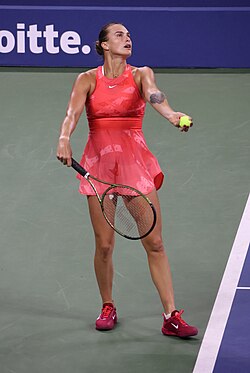
The glittering courts of the Dubai Tennis Championships, a cornerstone of the WTA tour, have become the unlikely stage for a fiery clash between player welfare and tournament expectations. World No. 1 Aryna Sabalenka, known for her ferocious power and candid demeanor, has launched a blistering critique of the event’s leadership, casting serious doubt on her future participation and igniting a debate about the pressures facing modern athletes.
The Spark: A Withdrawal and a “Ridiculous” Rebuke
The controversy stems from last month’s tournament, which saw a staggering exodus of top-tier talent. Sabalenka, alongside rival Iga Swiatek and others, withdrew from the WTA 1000 event citing a combination of injury, illness, and the intense demands of the tour schedule. Sabalenka’s reason was a minor hip injury, a precautionary move common in a grueling season. However, the cluster of withdrawals forced lucky losers into main draw slots and undeniably diluted the star power of the prestigious event.
In response, Dubai Duty Free Tennis Championships tournament director, Salah Tahlak, publicly expressed his disappointment. While acknowledging players’ rights to withdraw, his comments framed the situation as a letdown for fans and the tournament. It was this characterization that lit the fuse for Sabalenka. In a recent press conference, the Belarusian star did not mince words, labeling the criticism as “ridiculous” and revealing the profound personal impact it had.
“I was really disappointed with that,” Sabalenka stated. “I’m always giving my best, I’m always trying to play as much as I can. To get that reaction from the tournament, it’s just ridiculous.” The emotional weight of the comment suggests this is more than a simple scheduling dispute; it’s a perceived lack of respect for the professional judgments athletes must make about their own bodies.
Beyond the Baseline: A Perfect Storm of Circumstances
To view the withdrawals in isolation misses the complex, converging factors that created this perfect storm. Expert analysis points to a trifecta of pressures:
- The Relentless WTA Calendar: The Dubai event followed hard on the heels of a grueling Australian Open and preceding the Sunshine Swing in Indian Wells and Miami. For top players like Sabalenka, who go deep in every major, managing physical load is non-negotiable.
- The Precautionary Principle: A “minor hip injury” for the world’s best hitter is not taken lightly. Playing through such issues can lead to catastrophic, season-ending consequences. Sabalenka’s decision was a professional calculation to protect her long-term career.
- The Shadow of Geopolitics: While Sabalenka cited injury, her withdrawal coincided with a significant escalation in regional tensions in the Middle East. While not officially stated as a reason by players, the unstable atmosphere undoubtedly contributed to a broader sense of unease and last-minute decision-making for many touring professionals and their teams.
Tournament directors naturally want to present the strongest possible field, but Sabalenka’s fury highlights a growing sentiment among players: their health and professional assessments cannot be secondary to commercial appeal.
The Stakes: What a Sabalenka Boycott Would Mean
Sabalenka’s threat to boycott future Dubai Championships is not empty posturing. As the reigning World No. 1 and a two-time Australian Open champion, her presence is a major draw. Her absence would represent a significant blow to the tournament’s prestige and marketability. But the implications run deeper than a single event.
This standoff is a microcosm of a larger, ongoing negotiation between tennis institutions and its athletes. Players are increasingly vocal about schedules, compensation, and respect. Sabalenka, with her top-ranking leverage, is in a powerful position to advocate for a shift in how tournaments communicate with players during vulnerable moments like withdrawals.
Key consequences of a prolonged boycott could include:
- Diminished Field Strength: Other top players may side with Sabalenka, making the tournament a less attractive destination.
- Reputational Damage: The event could be perceived as unsupportive of player welfare, a bad look in the modern sports landscape.
- WTA Tension: It forces the WTA into a delicate balancing act between supporting its flagship events and defending its athletes’ rights.
Expert Predictions: Resolution or Rift?
Where does this go from here? The path forward likely hinges on private diplomacy and public relations. The Dubai tournament organizers have a vested interest in mending fences with one of the game’s biggest stars. A private apology or a clarified public statement acknowledging the legitimate challenges players face could be a first step.
However, Sabalenka is known for her fierce integrity and emotional authenticity. She is not one to back down easily when she feels wronged. The Miami Open 2026 reference in her comments—a distant future date—signals this is a point of principle she is willing to carry for a long time.
Prediction 1: A cooling-off period is most likely. Sabalenka may skip the 2025 event, but with potential behind-the-scenes dialogue, a return in 2026 remains possible if she feels her perspective has been heard and respected.
Prediction 2: This incident will become a case study in tournament-player relations. Other event directors will note the backlash and may adopt more measured, private communications regarding withdrawals to avoid similar confrontations.
Prediction 3: It empowers other players to speak up. Sabalenka’s stance validates the feelings of countless athletes who have felt pressured to play while injured or criticized for prudent decisions.
Conclusion: A Line in the Sand for Player Agency
Aryna Sabalenka’s fury is about more than a sore hip or a missed tournament. It is a definitive line in the sand regarding player agency and respect. In an era where athletes are more informed and empowered about their physical and mental health than ever before, the old model of expecting them to silently bear the weight of every commercial obligation is crumbling.
The Dubai Tennis Championships now faces a critical choice: double down on its disappointment or evolve its approach to align with the realities of the modern game. Sabalenka, by wielding her status as World No. 1, has issued a powerful reminder that the stars of the sport are not merely entries on a draw sheet; they are human beings making complex, career-preserving decisions. How the tennis world responds will resonate far beyond the glitz of the Gulf, setting a precedent for the balance of power and respect in the sport for years to come.
Source: Based on news from India Today Sport.
Image: CC licensed via commons.wikimedia.org