Braves’ Bold Pitching Gambit: Trading Sean Murphy for Rotation Help Signals Faith in Drake Baldwin
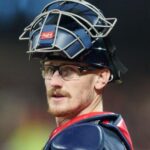
The Atlanta Braves have built a modern dynasty on a foundation of calculated aggression, never shying from a major move to address a looming need. As the 2026 season approaches, that familiar pattern appears to be repeating, but with a surprising twist. A compelling trade proposal, originating from Sports Illustrated’s Ryan Shea, has ignited the Hot Stove by suggesting the Braves could leverage an emerging homegrown talent to solve their most pressing issue. The pitch: send veteran catcher Sean Murphy to the Pittsburgh Pirates for a significant starting pitcher, clearing the way for the Drake Baldwin era behind the plate.
The 2026 Crucible: A Pitching Imperative
While the Braves’ lineup projects to remain among the league’s most fearsome, the rotation enters 2026 shrouded in uncertainty. The inevitable decline of ace Max Fried, combined with the volatility of young arms and the wear-and-tear of a long season, creates a clear vulnerability in an otherwise stellar roster. Winning the NL East is always the baseline expectation in Atlanta, but in a division growing increasingly competitive, standing pat is a recipe for falling short. The front office, led by Alex Anthopoulos, understands that to secure another championship flag, fortifying the starting rotation is not a luxury—it’s an absolute necessity. This context makes any trade involving a valuable asset like Sean Murphy not just plausible, but a characteristically proactive Braves maneuver.
The Baldwin Breakout: Catalyst for a Franchise-Altering Move
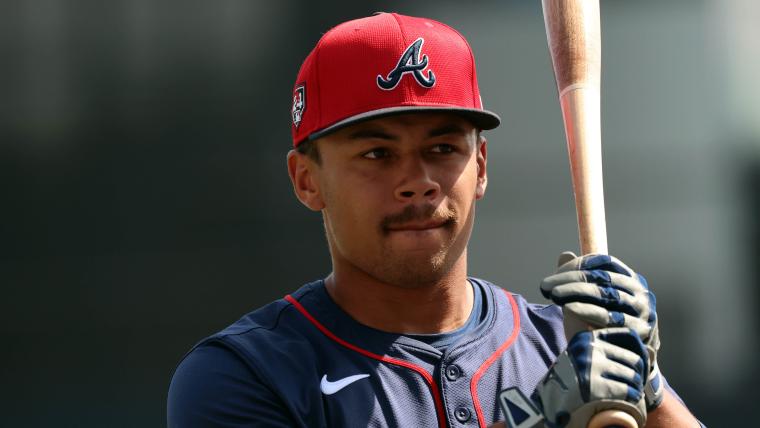
The central pillar making this hypothetical trade feasible is the rapid and impressive ascent of catcher Drake Baldwin. Once considered a promising prospect, Baldwin cemented his status as a future cornerstone with a revelatory 2025 campaign. His statistics weren’t just good; they announced his readiness to be an everyday contributor for a contender:
- .274 Batting Average: Demonstrated consistent, quality contact ability.
- 19 Home Runs, 80 RBI: Provided substantial run-production from the catcher position.
- .341 On-Base Percentage, .810 OPS: Showcased a mature, well-rounded offensive approach.
Baldwin’s performance did more than fill a box score; it shifted the franchise’s strategic calculus. With a cost-controlled, offensively gifted catcher ready to assume the lion’s share of duties, the Braves’ depth chart became a position of surplus strength. This emergence directly impacts the value of Sean Murphy. While Murphy remains an elite defensive catcher and a potent power threat, his higher salary and the presence of a capable successor make him Atlanta’s most logical and valuable trade chip to address the rotation.
Deconstructing the Trade: A Win-Win for Braves and Pirates?
The proposed framework—Sean Murphy to Pittsburgh for a starting pitcher—makes compelling sense for both franchises, albeit for different reasons. For the Pirates, acquiring Murphy would be a statement of intent. He is a proven, veteran All-Star who would instantly transform their catching situation, provide leadership for a young pitching staff, and add middle-of-the-order thump to a developing lineup. He represents the kind of established star a rebuilding team like Pittsburgh often seeks to accelerate its competitive timeline.
For the Braves, the return would be immediate, impactful pitching help. While the specific arm from Pittsburgh’s stable isn’t named in the proposal, the Pirates have cultivated a wealth of young pitching talent. Atlanta’s front office is renowned for its targeting precision, and they would undoubtedly seek a hurler with multiple years of control who can slot into the top or middle of their rotation. The financial flexibility gained from moving Murphy’s contract could also be reallocated, perhaps to extend another core player or add further bullpen depth. This move is a classic example of roster optimization, converting from a position of depth to fill a critical void.
The Heim Signing: The Overlooked Masterstroke
Further validating the logic of this potential trade was Atlanta’s under-the-radar signing of veteran catcher Jonah Heim to a backup role. Heim, a former All-Star and Platinum Glove winner himself, is not a typical reserve. He is a premier defensive catcher and a more than capable offensive player. This signing now looks like a strategic masterstroke, providing a formidable safety net and elite mentorship for Baldwin. The Braves effectively created a new, high-floor catching duo (Baldwin/Heim) while simultaneously manufacturing a premier trade asset (Murphy). It’s a front-office chess move that few other organizations could execute so seamlessly.
Predictions and the Road to the NL East
If the Braves were to pull the trigger on a deal resembling this proposal, the immediate ramifications would be profound. The 2026 team would feature a transformed defensive battery and a theoretically stronger starting rotation. The success of the trade would hinge on two key developments:
- Drake Baldwin’s seamless transition to everyday catching duties, maintaining his 2025 offensive output while managing a pitching staff with World Series aspirations.
- The acquired pitcher delivering immediate mid-rotation or better production, stabilizing the staff and taking pressure off Atlanta’s other starters.
The risk is evident: betting on a sophomore catcher and a new pitcher in a high-stakes season. However, the Braves’ entire philosophy is built on embracing such calculated risks. The potential reward—a balanced, deep roster without a glaring weakness—could very well be the difference in a tight NL East race. This move would signal a confident passing of the torch behind the plate and a direct, aggressive response to the team’s most obvious question mark.
Conclusion: A Brave New World Behind the Plate
The proposed trade of Sean Murphy is more than a simple transaction; it’s a symbol of the Atlanta Braves’ operational ethos. It demonstrates a ruthless commitment to addressing weaknesses before they become fatal flaws and an unwavering faith in their player development system. Drake Baldwin’s breakout has given the franchise a rare opportunity: to trade a star from a position of strength without creating a new hole. By potentially converting Murphy into a pivotal starting pitcher, the Braves would be leveraging their future (Baldwin) to maximize their present championship window. In the relentless pursuit of banners, sentimentality is a luxury contenders cannot afford. For the Atlanta Braves, the future behind the plate may already have arrived, and its name is Drake Baldwin—and his emergence could be the key to unlocking the pitching needed for the next parade down Peachtree Street.
Source: Based on news from Yahoo Sports.