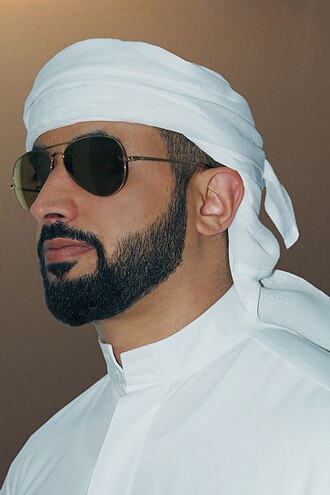
Ben Sulayem Secures Second Term: FIA President Re-Elected in Landslide Mandate
The corridors of power in global motorsport have echoed with a decisive verdict. Mohammed Ben Sulayem, the Emirati former rally driver who promised reform and a louder voice for member clubs, has been overwhelmingly re-elected as President of the Fédération Internationale de l’Automobile (FIA). In a vote at the Annual General Assembly in Baku, Azerbaijan, Ben Sulayem secured a second four-year term, setting his leadership course through to the end of 2029. This resounding endorsement grants him a strengthened mandate to continue his ambitious, and often contentious, agenda for the world’s governing body of motor sport and mobility.
A Mandate Forged in Reform and Controversy
Ben Sulayem’s first term was anything but a quiet stewardship. Elected in 2021 following the long tenure of Jean Todt, he entered office with a pledge to decentralize power and increase transparency within the famously bureaucratic Paris-based institution. His initial period, however, has been a whirlwind of significant regulatory shifts, internal restructuring, and public spats with the commercial powerhouse of Formula 1.
Key achievements and focal points of his first term include:
- Governance Overhaul: Implementing a new organizational structure aimed at streamlining operations and increasing accountability across the FIA’s vast portfolio.
- Financial Scrutiny & Cost Cap: Vigorously enforcing Formula 1’s financial regulations, leading to high-profile penalties for teams, which underscored the FIA’s regulatory independence.
- Sporting Expansion: Actively promoting the growth of FIA-sanctioned series beyond F1, including Formula 2, Formula 3, and the World Endurance Championship, while also focusing on grassroots and emerging motorsport nations.
- Mobility Advocacy: Pushing road safety and sustainable mobility initiatives to the forefront of the federation’s public mission.
Yet, this agenda has not been without friction. Public tensions with Formula One Management (FOM), particularly over the valuation and potential expansion of the F1 calendar, revealed a fundamental power struggle. Ben Sulayem’s more outspoken style, often utilizing social media, contrasted sharply with the behind-the-scenes diplomacy of his predecessor, leading to a period of notable public strain between the sport’s regulator and its commercial rights holder.
The Road Ahead: Navigating the Second Term’s Critical Challenges
With a fresh mandate in hand, President Ben Sulayem’s second term will be defined by how he navigates a complex web of existing and emerging challenges. The vote of confidence suggests member clubs support his vision of a more assertive FIA, but the path forward requires both principle and pragmatism.
The F1 Relationship: The most critical item on his docket will be defining a sustainable and productive working relationship with FOM and Liberty Media. The sport is experiencing unprecedented commercial success, but disagreements over the fundamental direction and governance share persist. Ben Sulayem must balance the FIA’s regulatory duty with the commercial realities of the championship. Expect a continued push for greater financial transparency from the commercial rights holder and firm stance on technical and sporting regulations that protect the sport’s integrity.
Sustainability and the 2026 Power Unit: The monumental shift in Formula 1’s engine regulations for 2026, featuring increased electrical power and 100% sustainable fuels, will be a cornerstone of his legacy. The FIA, under his watch, must ensure this transition is technically robust, attracts new manufacturers as intended, and genuinely advances the federation’s environmental goals.
Calendar Congestion and Sporting Integrity: With F1 calendars expanding to 24 races and other series growing, the strain on personnel, teams, and the FIA’s own staff is immense. Ben Sulayem will need to address concerns over workforce welfare and the dilution of event prestige while managing the commercial appeal of new markets.
Expert Analysis: What the Re-Election Truly Signals
“This isn’t just a re-election; it’s a ratification of a new era for the FIA,” notes veteran motorsport analyst Claudia Hernández. “The member clubs, particularly the National Sporting Authorities (ASNs) outside of Western Europe, have clearly felt heard. Ben Sulayem’s focus on increasing their support and influence has paid direct political dividends.”
The landslide victory indicates a strategic success in consolidating his base. By empowering smaller clubs and advocating for a more global, less F1-centric federation, Ben Sulayem has built a formidable internal coalition. However, experts caution that the second term must now deliver tangible results from this political capital.
“The first term was about shaking the tree,” says governance expert Dr. Arjun Mehta. “The second term must be about collecting the fruit and planting new seeds. This means moving from structural reform to demonstrable outcomes: clearer pathways for drivers from diverse backgrounds, measurable progress in sustainability, and a stable, rules-based environment where the FIA’s authority is respected but not constantly contested.”
The re-election also suggests a comfort with a more confrontational leadership style at the highest level of motorsport, a marked departure from the past. Whether this style can evolve into a more cohesive partnership with F1’s commercial stakeholders remains the billion-dollar question.
Predictions for the 2025-2029 Landscape
Looking forward, Ben Sulayem’s renewed leadership will likely shape the motorsport landscape in several key ways:
- Firm Hand on Regulations: Expect less hesitation in wielding the FIA’s regulatory power, especially regarding technical directives and cost cap compliance in F1. The message is clear: the federation is not a passive partner.
- Accelerated Electrification: A strong push for electric and alternative fuel categories across all levels of the sport, aligning with the FIA’s mobility mission. The future of series like Formula E will be a significant focus.
- Geographical Rebalancing: Continued efforts to host major events in new markets, particularly in the Middle East, Asia, and potentially Africa, reflecting the global distribution of his support base.
- Grassroots Investment: Increased funding and program development for karting and junior formulae in underrepresented nations, aiming to diversify the talent pipeline feeding into top-tier motorsport.
The period to 2029 will also inevitably bring the question of succession. Having now secured two terms, Ben Sulayem will likely begin to groom potential successors from within his reformed administration, ensuring his vision for a more decentralized and club-focused FIA endures beyond his presidency.
Conclusion: A Presidency Poised for Legacy
The re-election of Mohammed Ben Sulayem is a definitive chapter in the modern history of the FIA. It closes the door on any doubt about the membership’s appetite for his brand of transformative, and at times disruptive, leadership. He enters his second term with a powerful mandate, a clear set of priorities, and a proven willingness to challenge established norms.
The ultimate success of this presidency will be judged on a delicate balance: can Ben Sulayem champion the interests of the global FIA membership while fostering a cooperative, rather than combative, relationship with Formula 1’s commercial giants? Can he turn the reforms of his first term into lasting benefits for the sport’s sustainability, diversity, and integrity? The next four years will provide the answers. One thing is certain: under President Ben Sulayem’s continued watch, the FIA will not be a silent partner. The federation has voted for a voice, and that voice is now empowered to shape the future of global motorsport until the end of this decade.
Source: Based on news from Sky Sports.
Image: CC licensed via commons.wikimedia.org