Bolton’s Bold Bid: The Quest to Bring the Ryder Cup Back to English Soil
For over three decades, the roar of the Ryder Cup has echoed across European fairways, from the storied links of Ireland to the majestic shores of France and Italy. Yet, the crucible where Europe’s rivalry with the United States was forged—England—has remained conspicuously absent from the hosting roster since 2002. Now, a bold and ambitious plan from the north-west of England seeks to shatter that drought. Bolton, backed by the full force of Greater Manchester’s political and sporting will, is launching a serious bid to host what it promises could be the “biggest ever” Ryder Cup in 2035. This isn’t just a dream; it’s a multi-million pound strategy aiming to transform a landscape and redefine the region’s sporting legacy.
A Vision Beyond the Fairway: The Hulton Park Ambition
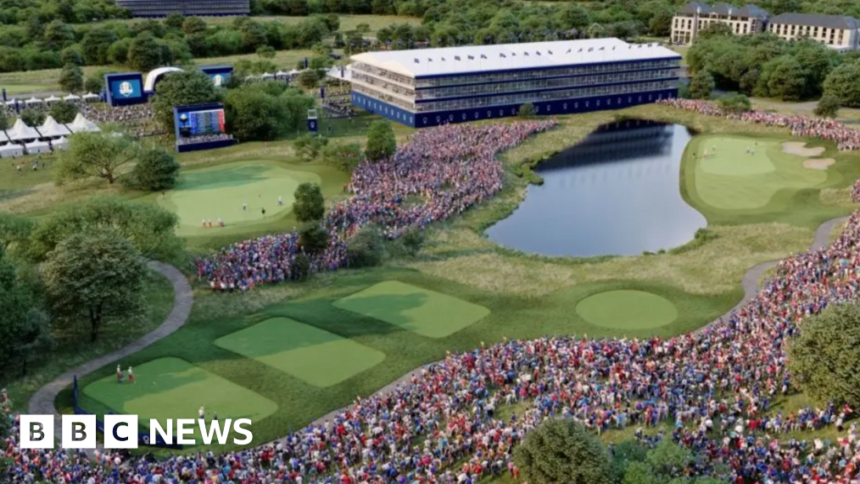
At the heart of Bolton’s audacious proposal lies Hulton Park, a 800-acre estate with a history dating back centuries. The vision is not to adapt an existing course, but to create a bespoke, world-class golf course designed specifically for the theatre of the Ryder Cup. This approach mirrors successful past venues like the K Club in Ireland and Le Golf National in Paris, where courses were crafted to test the world’s best while accommodating the vast, passionate crowds the event commands.
Greater Manchester Mayor Andy Burnham has been unequivocal about the bid’s credibility. “This is not pie in the sky,” he stated, revealing “promising conversations” have already taken place with tournament organisers. The plan transcends sport; it’s a calculated regeneration project. The proposed championship course would become a permanent public legacy, boosting grassroots golf and creating a new sporting hub for the north-west. The bid represents a conscious effort to leverage a global sporting mega-event for long-term regional benefit, moving major events beyond London and the south-east.
The Infrastructure Imperative: Building the Foundations for a Mega-Event
Hosting a modern Ryder Cup is a logistical undertaking comparable to an Olympic Games. Over 250,000 spectators descend on the host venue, requiring seamless transport, accommodation, and security. Recognising this, the Bolton bid is anchored by a serious commitment to infrastructure investment. The centrepiece is a proposed new £70 million link road between the M61 and M6 motorways, a crucial artery designed to manage the influx of fans and ensure the event doesn’t gridlock the region.
This proactive approach to infrastructure is a critical component of the bid’s strength. It demonstrates to the Ryder Cup Europe decision-makers that the planning is comprehensive and funded. The proposed investments include:
- New M61-M6 Link Road: A dedicated £70m project to alleviate congestion and provide direct access.
- Public Transport Upgrades: Enhanced rail and bus links to Bolton and the proposed venue.
- Regional Accommodation Strategy: Leveraging Greater Manchester’s vast hotel stock, from Manchester city centre to surrounding towns.
By front-loading these plans, the bid signals that the region is not just hoping to win, but is already preparing to deliver.
The Northern Powerhouse Play: Sporting and Economic Catalyst
The bid is framed as more than a Bolton project; it’s a mission for the entire north-west of England. The region boasts a rich golfing heritage, from the Open Championship links of Royal Liverpool and Royal Lytham to a host of touring professionals. Having one of its own, Southport’s Ryder Cup winner Tommy Fleetwood, as an advocate is a powerful asset. Fleetwood’s endorsement carries immense weight: “It would be incredible,” he said, to bring “the biggest sporting event in the world” to his home region.
Economically, the projected impact is staggering. Previous Ryder Cups have generated over £100 million for their host economies. For Greater Manchester, still riding the wave of post-industrial transformation, the event would be a turbo-charge for tourism, international profile, and local business. Mayor Burnham’s language is that of a determined strategist: “We’re deadly serious about it. We believe we can land [the Ryder Cup] and now it’s a case of putting in a firm bid next month and hopefully a decision soon.” This is the Northern Powerhouse articulating its global sporting ambitions in the clearest terms.
Analysis & Predictions: Can Bolton Actually Win the Bid?
As an expert observer, the Bolton bid must be taken seriously. Its strengths are formidable: a clean-slate course design, committed political leadership with a funded infrastructure plan, and the powerful narrative of returning the Cup to England and the north. The focus on permanent legacy, rather than a one-off event, aligns with modern sporting governance.
However, the competition will be fierce. Other European nations will present compelling cases, and the Ryder Cup Europe committee will scrutinise every detail of viability and commercial potential. The key challenges for Bolton will be:
- Timeline and Planning Permission: Constructing an entire championship course and infrastructure from scratch by 2035 is a tight schedule, reliant on swift planning approvals.
- Proven Capability: While Manchester has hosted the Commonwealth Games, delivering a Ryder Cup is a different beast. The bid must continue to demonstrate operational expertise.
- The “WOW” Factor: Can Hulton Park’s final design rival the drama of a Marco Simone (Italy) or the historic majesty of a future Bethpage (USA)?
Prediction: This bid will be a front-runner for 2035 or a subsequent edition. The combination of a new, tailor-made course and serious governmental backing is a potent formula. It may well come down to whether the selection committee desires a traditional links test (which could favour an Irish or Scottish bid) or a bold, new inland challenge designed for match-play drama. Bolton’s fate hinges on selling Hulton Park as the future of the Ryder Cup, not just a nod to its past.
Conclusion: A Defining Moment for English Golf
Bolton’s bid for the 2035 Ryder Cup is a statement of intent. It declares that the north of England is ready to compete on the world’s biggest sporting stages and that golf’s greatest team event can be a catalyst for lasting urban and regional transformation. More than just a tournament, it is a vision to create a new world-class course, improve regional infrastructure, and inspire a generation.
The journey from announcement to potential victory is long and fraught with competition. But with a funded plan, heavyweight endorsements, and a palpable sense of ambition, Bolton has moved beyond speculation into the realm of credible contender. As Andy Burnham and his team prepare their firm bid, the golfing world watches with keen interest. Should they succeed, the echoes of “Europe!” ringing through the hills of Bolton in 2035 would mark not just the return of the Ryder Cup to England, but its triumphant arrival in a new heartland.
Source: Based on news from BBC Sport.