Beyond the Podium: How Italian Cuisine is Fueling the Milan-Cortina Olympic Dream
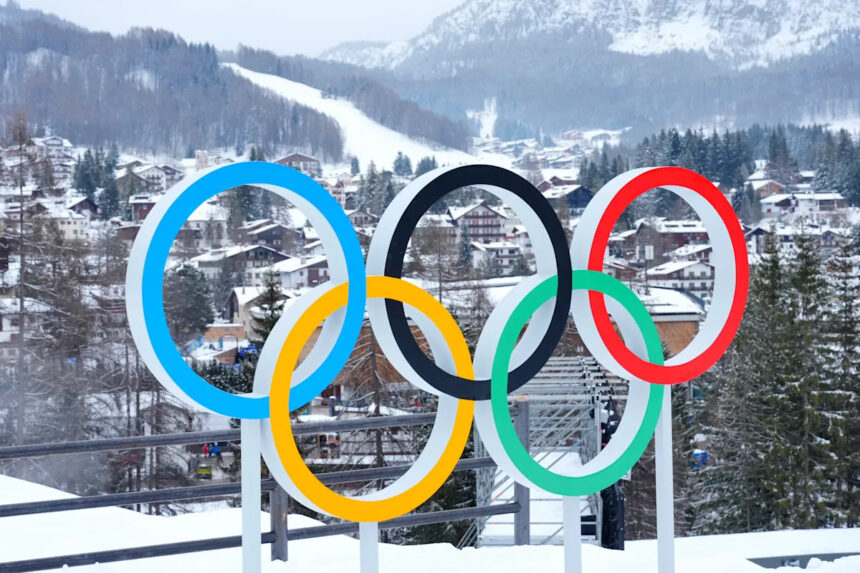
MILAN — The pre-Olympic chatter has a familiar rhythm. Construction delays? Check. Security briefings? Of course. Geopolitical posturing? Unfortunately, yes. The discourse is often one of obstacles, a logistical and political hurdle race before the athletic one even begins. But as the world turns its gaze to the Milan-Cortina Winter Games, a warmer, more tantalizing narrative is rising to the surface, one that speaks not to the challenges of the event, but to its soul. Here, amidst the Alpine peaks and Renaissance architecture, the most compelling subplot isn’t just about who will win gold, but what they—and we—will be dreaming of eating afterward.
The Post-Performance Prize: An Athlete’s Culinary Finish Line
For the elite competitors converging on Italy, the days before an event are a study in gastronomic precision. Every gram of carbohydrate, every ounce of protein, is calculated for peak performance. You will not find a ski jumper loading up on fettuccine alfredo an hour before launch. The idea of a bobsledder fueled by a morning espresso and a cornetto is a romantic fiction; their reality is one of strict nutritional plans.
But after the finish line, a different kind of hunger emerges. For many athletes, the promise of local cuisine becomes a powerful motivator, a tangible reward for years of sacrifice. American bobsledding legend Elana Meyers Taylor articulated this delicious anticipation perfectly. “I’m especially looking forward to cannolis,” she said. “I have to be gluten free in-season and I have to watch what I eat. But as soon as I cross the finish line, I’m getting that cannoli.”
This sentiment is a universal truth in the athlete village. The strict in-season regimen gives way to a celebrated moment of indulgence. It’s a reminder that these superhumans are, at their core, human. Their post-competition cravings connect them to every fan watching, transforming a personal victory into a shared, relatable celebration. For Meyers Taylor, that celebration is encased in a crisp, fried pastry shell, filled with sweet, creamy ricotta.
Carbs as Currency: The Real Fuel of the Games
While the athletes’ pre-event plates may be carefully curated, the broader story of these Games is inextricably linked to Italian culinary tradition—a culture built on a foundation of magnificent carbohydrates. This is the land where complex carbohydrates are not a macro-nutrient to be feared, but a celebrated art form.
Consider the fuel that has powered generations in these very regions:
- Polenta: The creamy, hearty staple of the Alpine north, providing slow-burning energy against the cold.
- Risotto: A masterclass in patience and technique, where starch is coaxed from rice to create its own luxurious sauce.
- Pasta: In its countless glorious shapes, from Lombardy’s pumpkin-filled tortelli to Veneto’s bigoli, it is the ultimate edible energy source.
- Pizza: The globally adored icon, where a simple crust becomes a canvas for vibrant, fresh flavors.
These are not mere meals; they are cultural touchstones. For the millions of visitors and the global audience, these foods are a central character in the Italian Olympic experience. The Games offer a 17-day showcase of a lifestyle where food is synonymous with community, joy, and *la dolce vita*—the sweet life athletes momentarily forgo for their shot at glory.
A Feast for the Senses: The Viewer’s Culinary Olympics
For those of us fortunate enough to be on the ground, the sensory overload is profound. The aroma of espresso bars mingles with the crisp winter air. The sight of a perfect, wood-fired pizza emerging from a forno is as breathtaking as any ski jump. This is the immersive backdrop that broadcasters will struggle to bottle.
The Milan-Cortina Games are uniquely positioned as a travelogue as much as a sporting event. Cameras will pan from the sleek, fashion-forward streets of Milan to the majestic, snow-dusted Dolomites in Cortina d’Ampezzo. Each frame whispers an invitation: *Come, taste, experience.*
This creates a powerful, and often overlooked, aspect of the Olympic legacy: cultural and tourism impact. While athletes chase records, the host nation has the opportunity to showcase its soul on a global stage. Italy needs no introduction, but the Games focus the world’s attention on its specific northern regions—their vineyards, their cheesemakers, their mountain *rifugios* serving hearty stews. The audience doesn’t just see a biathlon course; they see a stunning Alpine panorama they’ll yearn to visit, with a plate of local speck and a glass of Teroldego at the finish.
Predictions: Gold Medals and Golden Crusts
So, as the cauldron is lit, what can we expect? The sports predictions are for the analysts, but the culinary and cultural forecasts are clear.
First, we predict a viral moment centered on athlete food indulgence. Whether it’s a gold medalist celebrating with a giant cannolo (plural: *cannoli*), a snowboarder live-streaming their first authentic pizza, or a skier toasting with a modest glass of Prosecco, these human, flavor-filled celebrations will resonate more deeply than any press conference. The image of an athlete, the ultimate discipline, finally indulging in a long-denied pleasure is powerfully compelling.
Second, these Games will serve as a masterclass in pre- and post-event nutrition. Sports dieticians will explain the science behind an athlete’s carefully timed bowl of pasta, demystifying the role of carbs for performance. This educational thread will contrast beautifully with the visual feast of Italian markets and restaurants, creating a holistic narrative about food’s role in sport and life.
Finally, expect a significant “Cortina Effect” on tourism. Much like the “Ruby Tuesdays” phenomenon that followed *The Crown*, interest in the specific destinations of these Games—from Milan’s aperitivo culture to Cortina’s cozy mountain lodges—will see a sustained spike. The world isn’t just watching the sports; it’s bookmarking future vacation plans.
The Ultimate Victory: A Shared Table
The Winter Olympics have always been a juxtaposition of human power against nature’s grandeur. The Milan-Cortina Games add a third, equally potent element: culture. Specifically, a culture that knows the profound joy of a meal shared, of a recipe perfected over centuries, of understanding that fuel for the body and food for the soul are not mutually exclusive.
When Elana Meyers Taylor finally bites into that cannolo, it will be more than a personal treat. It will be a symbol of completion, a reclaiming of simple pleasures after the pinnacle of professional pursuit. It connects her journey to the spectator dreaming of their own Italian getaway. It reminds us that behind every superhuman feat is a very human appetite—for victory, for experience, and for a perfect, creamy bite of the sweet life, earned. In the end, these Games will be remembered not just for the records broken on the ice and snow, but for the bread broken, the pasta shared, and the universal language of a well-earned meal that, for a moment, makes champions of us all.
Source: Based on news from Yahoo Sports.