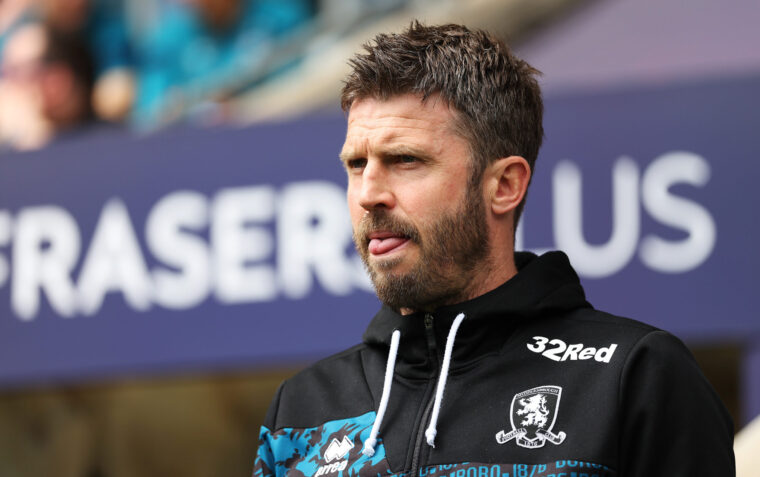
Carrick Surges Ahead: The Inside Track on Manchester United’s Interim Manager Race
The search for a steady hand at the helm of Manchester United has taken a decisive, and perhaps surprising, turn. With the club’s hierarchy determined to appoint an interim manager to steer the ship until season’s end, a fascinating two-horse race has developed behind the scenes. Initial reports suggested a romantic return for a club legend, but as the interview process concludes, a new, more pragmatic favourite has emerged. According to The Guardian, it is Michael Carrick, not Ole Gunnar Solskjaer, who now holds pole position in the race for the Manchester United interim manager role.
From Sentiment to Strategy: The Shift in United’s Thinking
In the immediate aftermath of the decision to part ways with Erik ten Hag, the narrative seemed pre-written. Ole Gunnar Solskjaer, the affable Norwegian who previously managed the club for three years, was widely touted as the frontrunner. His deep affinity with the club, his experience in the hot seat, and his presumed ability to provide a calming, familiar presence appeared to make him the ideal short-term candidate. The emotional pull was undeniable.
However, football decisions at the highest level cannot be made on sentiment alone. The involvement of incoming CEO Omar Berrada and technical director Jason Wilcox in the process has introduced a layer of cold, hard football strategy. Their reported leaning towards Carrick signals a fundamental shift in thinking. This is no longer about a comforting return to the past; it is a calculated move focused on the immediate future and, crucially, alignment with the long-term vision they are crafting. The interview process has evidently highlighted key differences in the candidates’ modern football philosophies and their fit within the new sporting structure.
Why Carrick? The Case for the Former Middlesbrough Boss
Michael Carrick’s candidacy is compelling for several footballing reasons that extend beyond his legendary status as a United midfielder. His credentials, while different from Solskjaer’s, are meticulously tailored to United’s current predicament.
- Proven Interim Pedigree: Carrick has done this before. Following Solskjaer’s dismissal in 2021, he took charge for three games, securing two wins and a draw, including a tactically astute away victory at Villarreal. He demonstrated a clear, independent tactical mind, immediately moving away from the previous setup.
- Modern Coaching Philosophy: His spell at Middlesbrough, while ending in dismissal, was marked by a commitment to a possession-based, progressive style of play. This aligns more closely with the purported philosophy Berrada and Wilcox want to implement—a style they believe is non-negotiable for the club’s future.
- Structural Fit: Carrick is perceived as a coach who can work effectively within a modern, data-informed structure. His demeanour suggests a collaborative approach with Wilcox and the recruitment team, focusing on implementing a specific style of play with the existing squad, rather than commanding a full-scale overhaul.
- Fresh Voice, Familiar Face: He offers a balance of club DNA and a new perspective. He is not tarnished by the latter stages of Solskjaer’s reign or the turbulence of the ten Hag era, providing a clean slate for the final crucial weeks.
The Solskjaer Dilemma: Why Romance Lost to Pragmatism
The decision to look beyond Ole Gunnar Solskjaer is arguably the most significant indicator of United’s desire for a clean break. Appointing Solskjaer would have been a popular move with a large section of the fanbase, but it carried substantial footballing risk.
Firstly, it would have been a reversion to a previous footballing model—one that ultimately failed to deliver sustained success or a coherent identity. For Berrada and Wilcox, who are tasked with building a unified future, stepping backwards was likely deemed illogical. Secondly, Solskjaer’s management is intrinsically linked to a specific group of players, many of whom are still at the club. Re-introducing that dynamic could have unsettled the squad rather than unified it. The club’s hierarchy appears to have concluded that while Solskjaer’s love for the club is unquestioned, Carrick’s forward-looking tactical blueprint presents a more useful bridge to the future.
Immediate Impact and The Manchester City Crucible
The urgency of this appointment cannot be overstated. With the decision expected to be finalised on Monday, the new interim manager will have just days to prepare for the ultimate baptism of fire: the visit of arch-rivals Manchester City to Old Trafford on Saturday. This daunting fixture is precisely why the club is rushing to make an announcement.
If appointed, Carrick’s immediate tasks will be Herculean:
- Instill Immediate Defensive Discipline: United’s structure has been porous. Carrick must quickly organise a low-confidence back line.
- Simplify the Message: After a season of tactical confusion, he needs to deliver clear, executable instructions to the players.
- Manage Big Personalities: Earning the respect of the dressing room with the authority of a former player, but the clarity of a new coach.
- Navigate the Pep Guardiola Puzzle: Designing a game plan for City that is resilient but not purely passive.
This derby will be a brutal litmus test. The performance and spirit shown, regardless of the result, will set the tone for his entire interim tenure and could influence perceptions ahead of the permanent appointment in the summer.
Conclusion: A Defining Decision for United’s New Era
The impending appointment of Michael Carrick as Manchester United interim manager is more than a simple caretaker selection. It is the first major football decision of the Berrada-Wilcox axis and a powerful statement of intent. It signals a move away from nostalgic appointments and towards a model where football philosophy and structural fit are paramount.
Choosing Carrick over Solskjaer is a brave, pragmatic call. It swaps short-term popularity for what the new football leadership believes is long-term sense. Carrick’s challenge is monumental: salvage European qualification, restore a modicum of pride, and prove that the principles valued by the incoming regime can bear fruit even in a truncated timeframe. His audition for the permanent job may be unlikely, but his mission—to stabilise, modernise, and prepare the ground for a new dawn—makes him the most significant interim appointment at Old Trafford in over a decade. The race is run, and the baton looks set to be passed not to the familiar face of the recent past, but to a figure poised to embody the club’s uncertain, yet newly strategic, future.
Source: Based on news from Yahoo Sports.