Formula 1 Hits the Brakes: Bahrain and Saudi Arabian Grands Prix Cancelled Amid Regional Conflict
The high-octane world of Formula 1, a sport synonymous with pushing the limits of speed and human endurance, has been forced to confront a far more formidable opponent: geopolitical instability. In a move that underscores the fragile intersection of global sport and world events, Formula 1 and the FIA have announced the cancellation of the 2025 Bahrain and Saudi Arabian Grands Prix. The decision, stemming from “careful evaluations” of the ongoing conflict in the Middle East, rips two cornerstone events from the heart of the early-season calendar and sends shockwaves through the paddock, presenting an unprecedented logistical and sporting challenge for the championship.
A Decision Forged in Caution, Not Lap Times
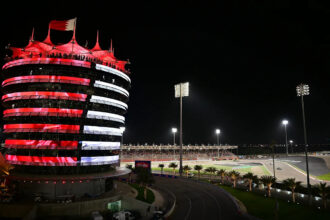
Announced just before the start of the Chinese Grand Prix, the statement from the FIA was unequivocal. The governing body concluded that “it is not safe to hold either race” due to the escalating conflict across the region. This is not a postponement or a relocation, but a flat-out cancellation. The Bahrain Grand Prix at the Sakhir International Circuit, a modern classic and often the season opener, was slated for April 10-12. The Saudi Arabian Grand Prix on the dazzling, high-speed Jeddah Corniche Circuit was to follow a week later. Both events represent massive commercial and strategic investments for F1’s expansion into new markets.
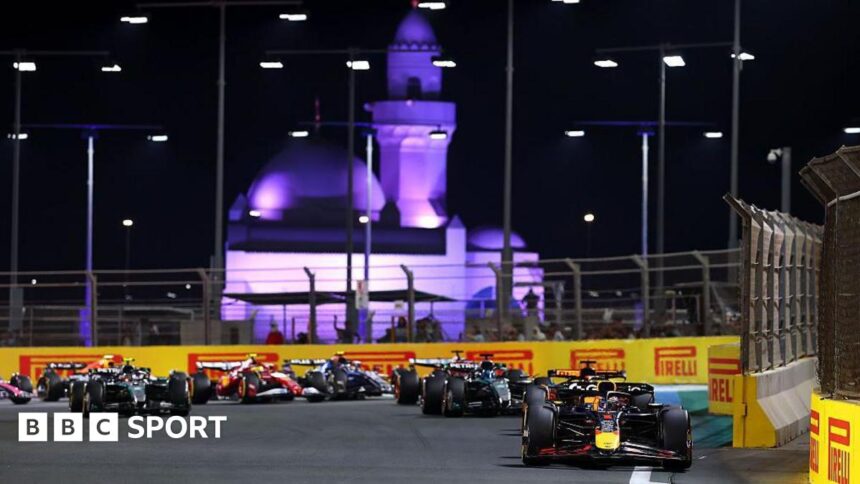
The cancellation of the Saudi Arabian Grand Prix is particularly striking, given its rapid ascent since a debut in 2021. The race, with its vast financial backing and dramatic night-racing spectacle, had become a fixture. However, proximity to regional tensions ultimately overruled the show. Notably, F1 confirmed that “no substitutions will be made in April,” shutting down immediate speculation about slotting in another venue. This creates a glaring, multi-week gap in the schedule after the initial races, a scenario that teams and promoters will now scramble to address.
The Ripple Effect: A Championship Thrown Into Disarray
The immediate fallout from this decision extends far beyond disappointed fans in the Gulf. The cancellation of two races fundamentally disrupts the rhythm, economics, and competitive narrative of the entire season.
- Team Logistics and Finance: These races represent critical revenue streams for teams through prize money and sponsorship activation. A double cancellation creates a significant financial hole. Furthermore, teams have already allocated immense resources and shipped freight for these early flyaway races. Unwinding those operations without the event is a costly and complex undertaking.
- The Sporting Calendar: The early season is crucial for establishing car performance and championship momentum. The loss of Bahrain, a track that provides a clear read on car strengths and weaknesses, and Jeddah, a unique high-downforce street circuit, removes key data points for teams. It also condenses the championship, increasing pressure at every remaining event.
- Driver and Fan Impact: For drivers, two fewer opportunities to score points could dramatically alter title destinies, especially in a tight season. For fans, especially those in the region who have embraced F1’s arrival, it’s a profound disappointment. The vibrant growth of F1’s fanbase in the Middle East now faces an involuntary pause.
The FIA’s careful evaluations clearly weighed these substantial sporting costs against the immutable priority of safety for all personnel—drivers, teams, media, and spectators. The precedent is clear: no race is worth the risk.
Expert Analysis: Navigating the Uncharted Turn
From a sporting perspective, this cancellation is uncharted territory for the modern F1 era. We have seen races postponed, like the 2020 season during the pandemic, and races cancelled due to civil unrest, but the simultaneous loss of two strategically vital events due to a wider regional conflict is a new and sobering challenge.
F1’s expansion into new frontiers has always been accompanied by political and ethical debates. The sport’s strategy of “sportswashing” – engaging with nations to improve their global image through prestigious events – is now facing its sternest test. When conflict erupts, the very events designed to project stability and openness become untenable. This forces F1’s commercial rights holder, Liberty Media, into a delicate balancing act between its global calendar ambitions and its duty of care.
The decision to not seek April replacements is telling. It suggests that the logistical window for organizing a safe and worthy event at an alternative venue, such as Lusail in Qatar or a return to a European track, was impossibly narrow. It also may indicate a desire to avoid the perception of simply shifting the commercial focus without addressing the underlying reason for the cancellations.
Predictions: What Comes Next for the 2025 Season?
The void left by these cancellations will dominate the F1 discourse in the coming months. Several scenarios are now on the table:
- The Extended Gap: The season may simply proceed with a longer break after the opening rounds. This would be unpopular with fans and broadcasters but might be the simplest outcome.
- A Late-Season Double-Header: If stability returns to the region, F1 could attempt to reschedule both events later in the year, potentially creating a Middle Eastern season finale. This would be a logistical nightmare but a commercial necessity.
- A Permanent Calendar Rethink: This crisis may accelerate discussions about the geographic flow of the calendar. Clustering regional races minimizes freight emissions and costs, but as this shows, it also concentrates risk. A more dispersed calendar could become a strategic priority.
- Contractual Repercussions: Both Bahrain and Saudi Arabia have long-term, multi-million-dollar contracts with F1. The terms surrounding force majeure cancellations will now be critically examined, with potential financial and legal implications for future agreements.
Ultimately, the ongoing conflict across the region will dictate all possibilities. F1’s hand has been forced, and its ability to control its own narrative has been significantly diminished by world events.
Conclusion: When the Real World Red-Flags the Race
The cancellation of the Bahrain and Saudi Arabian Grands Prix is a stark reminder that even the most meticulously planned global spectacle cannot outrun reality. For all its financial might and technological wonder, Formula 1 remains a guest in a complex and often volatile world. The decision, while undoubtedly correct from a safety standpoint, leaves a fractured calendar and a sport in introspection.
This moment transcends sport. It highlights the vulnerabilities of a globe-trotting series in an unstable geopolitical climate and questions the long-term sustainability of a calendar built on ambitious expansion. As the cars sit silent in Sakhir and Jeddah, the roar of conflict has proven louder than any V6 hybrid turbo. The path forward for the 2025 championship is now a waiting game, one where the checkered flag is held not by a marshal, but by the elusive hope for peace and stability.
Source: Based on news from BBC Sport.