Four Critical Decisions England Must Make to Salvage the Ashes in Adelaide
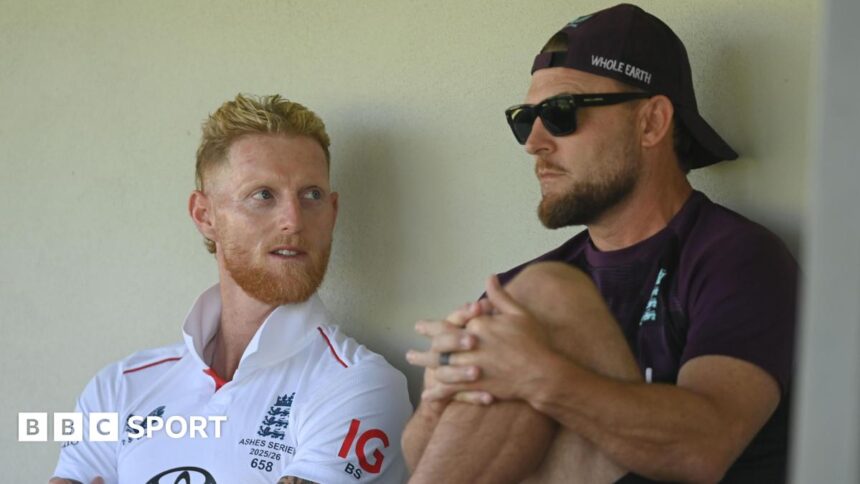
The sun sets over Noosa, but the shadow cast by England’s Ashes campaign is long and dark. With two harrowing defeats in six days of cricket, Ben Stokes and Brendon McCullum find themselves at a precipice familiar to England captains past: 2-0 down in Australia, a scoreline from which no visiting side has ever recovered. The ‘Bazball’ revolution, which promised a fearless new dawn, faces its ultimate audit. The point of no return has been reached; only victory in the third Test at the Adelaide Oval can keep the dream of reclaiming the urn alive. As the squad decompresses before returning to training, the brain trust faces monumental selection and strategic dilemmas. Here are the four pivotal decisions that will define England’s fightback.
The Batting Order Conundrum: Stability or Shake-Up?
England’s batting has been a paradox of breathtaking brilliance and catastrophic collapse. Aggression is non-negotiable in this ethos, but shot selection under pressure has been their undoing. The top order requires urgent scrutiny.
Zak Crawley’s place is under immense scrutiny. A flowing 77 at Brisbane promised much, but a series of low scores highlight a persistent technical flaw outside off-stump. The question is whether his potential upside outweighs the cost of another early wicket. The alternative could be promoting the pugnacious Jonny Bairstow to open, a role he has filled before, or recalling the more compact Dan Lawrence to provide a different tempo.
More pressing is the number three slot. Dawid Malan has looked England’s most composed batter, but his tendency to get starts without converting is a concern in a series where big hundreds win Tests. The management must decide if his experience in the crucial role remains their best bet, or if a bold reshuffle, perhaps moving Joe Root back to three, is needed to protect the middle order. The decisions here must balance intent with the simple, old-fashioned virtue of building an innings.
The Bowling Attack: A Return for Experience or Pace?
England’s bowlers have toiled manfully but lacked the killer instinct to bowl Australia out twice. The absence of a genuine, hostile pace threat has been glaring, allowing Australian batters to settle. The composition of the attack for Adelaide is arguably the most critical call.
• Mark Wood’s Express Pace: His absence in Brisbane was felt deeply. Wood’s 90+ mph rockets are England’s only weapon to replicate the discomfort Australia’s quicks have inflicted. He must play to provide the X-factor and break partnerships.
• James Anderson vs. Stuart Broad: Adelaide’s pink-ball, day-night conditions traditionally offer more seam and swing. This surely brings James Anderson back into the frame. His mastery with the Kookaburra under lights could be pivotal. The question is whether he replaces Ollie Robinson, who has been steady, or partners him, leaving out a spinner.
• The Spin Question: Jack Leach was targeted and omitted after the first Test. Adelaide can take turn later in the game, but does England trust Leach, or could they deploy the part-time off-spin of Root and back a four-man seam attack? This is a high-stakes gamble on the pitch’s character.
The Wicketkeeper Debate: A Straight Swap for Foakes?
This is the most straightforward, yet politically charged, decision. Jos Buttler’s wicketkeeping has been below par, with several costly misses, most notably a dropped chance from David Warner in Brisbane that proved enormously expensive. His batting, while occasionally explosive, has lacked the substance required in a crisis.
The clamour for Ben Foakes, arguably the finest pure gloveman in world cricket, is deafening. In a series where chances are at a premium, his inclusion would bolster the keeping department immensely and potentially lengthen the batting with his proven technique. The argument against is a disruption to the team’s dynamic and the loss of Buttler’s match-winning potential. However, in a must-win game, selecting your best wicketkeeper feels less like a choice and more of an obligation. This change would send a powerful message that fundamentals matter.
The Philosophical Tightrope: Doubling Down or Subtle Recalibration?
This is the overarching, non-selection decision that underpins everything. The Bazball philosophy of relentless attack has been celebrated, but in the cauldron of an Ashes series, its application has looked dogmatic at times. Do Stokes and McCullum double down, insisting their way will work, or do they allow for a subtle recalibration?
The key is context. Aggression should not mean recklessness. The great Australian sides attacked smartly, absorbing pressure when needed before seizing the moment. England’s batters must learn to marry their intent with the game situation—recognising when to press the accelerator and when to simply survive a hostile spell from Pat Cummins or Mitchell Starc.
Similarly, in the field, declarations and bowling plans must be flexible. The first Test declaration was bold; in hindsight, it handed Australia a psychological boost. The fightback requires the same fearless spirit, but channelled through a prism of heightened situational awareness. It’s not about abandoning their identity, but about hardening it for the toughest contest of all.
Conclusion: A Test of Character and Cunning
Adelaide presents more than just a cricket match; it is an examination of leadership, adaptability, and nerve. England are not without hope—glimpses of their capability have flashed—but they must now deliver a complete performance. The selection of Foakes, the injection of Wood’s pace, and a firmer top-order foundation feel like essential steps.
Ultimately, to overturn a 2-0 deficit in Australia would be the greatest achievement of the Stokes-McCullum era, a feat to eclipse all others. It begins with winning the critical decisions off the field in the lead-up to Wednesday. If they get these calls right and marry their revolutionary spirit with Ashes-hardened pragmatism, they can win in Adelaide. If they don’t, the urn will be gone, and the inquest will begin long before the final ball is bowled in Hobart. The fightback starts now, not in the middle, but in the meeting room.
Source: Based on news from BBC Sport.