The Woltemade Conundrum: What’s Happened to Newcastle’s Unlikely Anti-Hero?
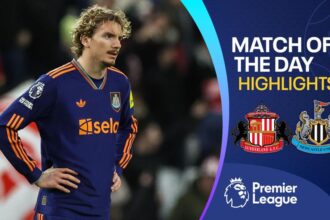
The image was one of the most surreal in recent Premier League history. Nick Woltemade, the 6ft 6in Newcastle United striker, pulled his cap down over his eyes, a giant trying to make himself small. He was exiting the Stadium of Light, the home of Sunderland, Newcastle’s most bitter rivals. Yet, as his teammates were met with a torrent of boos, Woltemade was serenaded. Cheers, applause, and chants of “Hero! Hero! Hero!” followed him to the bus. His crime? An inadvertent, towering own goal that settled the Wear-Tyne derby for Sunderland back in December. That moment cemented his status as an unlikely anti-hero, but it also marked a turning point. Since that fateful header, Woltemade’s own goalscoring touch has vanished. The attitude remains impeccable, but the output has dried up. What’s happened to Nick Woltemade?
From Stuttgart Sensation to Tyne-Side Tension
When Newcastle secured the signing of Nick Woltemade from Stuttgart last summer, it was seen as a coup. The young German forward had terrorized Bundesliga defenses with his unique blend of aerial dominance and surprising technical grace for a man of his stature. His nine goals in his debut season at St. James’ Park were a respectable return, showcasing a predator’s instinct in the box and a powerful weapon from set-pieces. He was raw but effective, a project with a clear and immediate payoff.
Woltemade’s early impact was built on confidence. He played with the fearless swagger of a newcomer unburdened by the club’s heavy history. His movement, while sometimes unrefined, was direct and defenders struggled to handle his physical presence. The goals flowed—a poacher’s tap-in here, a thunderous header there. He was becoming a fan favorite, a symbol of a new, pragmatic approach under the manager. Then came the derby.
The Derby Dilemma: A Psychological Scar?
The own goal against Sunderland was a freak occurrence, a cruel twist of fate in a fiercely contested match. Analytically, it was a simple error in a high-pressure moment. Psychologically, however, its impact may be profound. For a striker, confidence is currency, and such a public, high-stakes mistake can deplete even the strongest reserves.
The immediate aftermath was telling. Woltemade faced the media with commendable honesty, shouldering the blame without excuse. His teammates and manager were publicly supportive. But the footballing world is relentless. The “hero” chants from Sunderland fans, while a bizarre form of flattery, are a constant reminder. Every interview, every social media post, every mention of his name is now tied to that moment. The key questions now are:
- Has the own goal created a subconscious hesitation in aerial duels? That millisecond of doubt when leaping is the difference between a goal and a miss.
- Is he trying too hard to make amends? Forcing chances, snatching at shots, and overcomplicating play to erase the memory.
- Has it altered his relationship with the Newcastle faithful? While publicly backed, he may feel a silent pressure to win back unconditional trust.
His work rate remains undiminished—he presses, holds up play, and defends corners with the same vigor. But the icy composure in front of goal seems to have thawed. The natural instinct appears clouded by thought.
Beyond the Psychology: Tactical and Technical Troubles
While psychology plays a starring role, it’s not the sole actor in this drama. Opponents have also adapted. The Premier League is a ruthless analyst’s league, and Woltemade is no longer an unknown quantity.
Defenders are now wiser to his strengths. They engage him earlier in physical battles, often using a double-team to negate his aerial threat. They show him onto his weaker foot more consistently and have learned to disrupt his timing on jumps. Furthermore, Newcastle’s own tactical shifts may have inadvertently isolated him. As the team has struggled for consistent form, service to the front man has become erratic. Woltemade is often seen feeding on scraps, dropping deeper and deeper to get involved in play, thus taking him away from the dangerous areas where he is most lethal.
A closer look at his recent performances reveals a pattern:
- Fewer Touches in the Box: His average touches in the opposition penalty area have dropped significantly since December.
- Declining xG (Expected Goals): The quality of chances he is receiving has diminished, pointing to both service issues and less incisive movement.
- Isolated Aerial Duels: He’s winning headers, but often in non-threatening areas, with supporting runners not anticipating the knock-downs.
The Path Forward: Rekindling the Flame
So, how does Nick Woltemade escape this rut? The solution is multi-faceted. First and foremost, it may require a psychological reset. A break, a bench role to relieve pressure, or even a simple, ugly goal from two yards out could work wonders. The manager’s role is crucial here—continuing to instill belief while perhaps simplifying his instructions: be a presence, occupy defenders, and trust that the first clean strike will come.
Tactically, Newcastle must find ways to better serve him. This could mean:
- Utilizing natural width to deliver more early crosses while he is on the move.
- Positioning a creative midfielder closer to him to play quick one-twos off his hold-up play.
- Ensuring he stays central and focused on being the penalty-box predator he was signed to be.
Woltemade himself must return to basics. Ruthless simplicity in training—repetition of finishing drills, heading practice—can rebuild muscle memory and drown out the noise. He must embrace the physical battles, use the derby incident as fuel rather than an anchor, and remember the qualities that brought him to England in the first place.
Conclusion: More Than a Punchline
Nick Woltemade’s story is a compelling human drama wrapped in the intense pressure of top-flight football. He is neither a villain nor a true hero to his own fans, but a talented young player navigating an extraordinary professional challenge. The derby own goal was a headline, but the subsequent goal drought is the real narrative. It highlights the fragile mental landscape of elite sport, where confidence and technique are inextricably linked.
The coming weeks are critical. Will he become a footnote, a curious anecdote in derby history? Or will he use this experience to forge a stronger, more resilient version of himself? The applause from Sunderland fans will eventually fade, but the reaction inside St. James’ Park to his next Newcastle goal will define the next chapter. One thing is certain: for a man who couldn’t hide, the spotlight has never been brighter. How he responds will reveal the true character behind the cap pulled over his eyes.
Source: Based on news from BBC Sport.