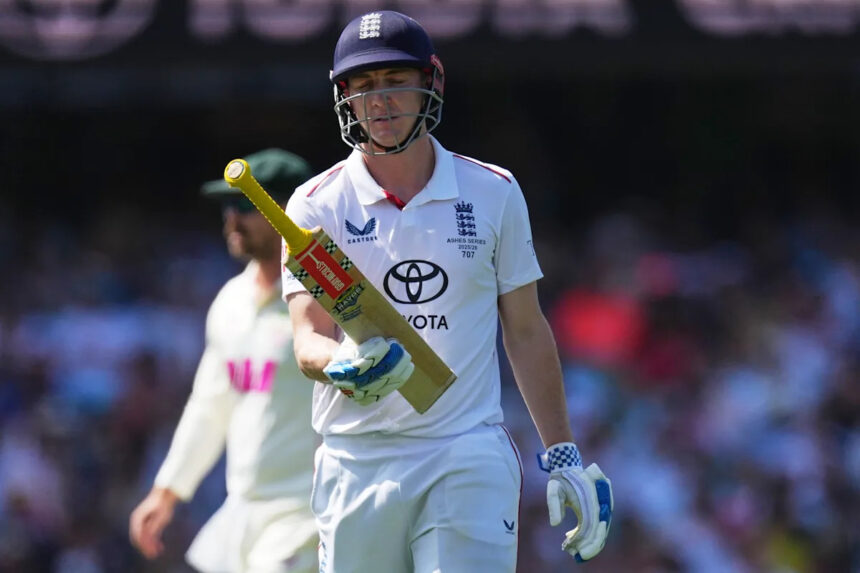
Harry Brook’s Redemption: England Captain Counts His Lucky Stars After Nightclub Fallout
The weight of an England cricket captaincy armband is measured in more than just stitches. It carries history, expectation, and a mandate for exemplary conduct. For Harry Brook, that weight felt heavier than ever as he faced the media in Colombo, issuing a stark and public mea culpa for a “terrible mistake” that could have—and perhaps should have—cost him the leadership of England’s white-ball team.
A Night in Wellington That Echoed Across the World
The incident itself reads like a cautionary tale. On October 31st, in Wellington, New Zealand, on the eve of a decisive ODI, the touring England captain found himself in a late-night altercation with a nightclub bouncer. Reports state Brook was struck after being denied entry, a scenario light-years from the disciplined environment expected of an international sports leader. The timing was catastrophic, coming just before a match and, more significantly, in the final stretch of preparation for the hallowed Ashes series.
Brook’s frank admission in Sri Lanka laid the situation bare. “We went out for a couple of drinks beforehand and then I took it upon myself to go out for a few more and I was on my own there,” he confessed. This detail—of straying from the team and making a solitary, poor decision—highlights a profound lapse in the judgement expected of a captain. It wasn’t a team-wide breakdown in discipline; it was the leader himself going rogue.
The ECB’s Calculated Gamble: Punishment vs. Pragmatism
The England and Wales Cricket Board’s (ECB) response was swift but nuanced. The financial penalty was substantial—£30,000—a clear signal of disapproval. The “final warning” on his future conduct was unequivocal. Yet, the board stopped short of the nuclear option: stripping Brook of the white-ball captaincy or his Test vice-captaincy. This decision was arguably the most pivotal moment of the entire episode.
From an expert analysis perspective, the ECB’s choice was a blend of punishment and profound pragmatism. Consider the context:
- Leadership Continuity: England were on the cusp of an Ashes series. Removing a key leader, however flawed in that moment, would have created significant instability.
- Player Investment: Brook is a generational batting talent and a calculated investment as a long-term leader. The ECB bet on his ability to learn from a very public, very expensive mistake.
- Precedent & Culture: While punishing the act, the board also signaled a potential shift towards managing modern players differently—opting for a rehabilitative over a purely punitive approach for a first-time, off-field offense of this nature.
Brook’s own reflection underscores how close he came to losing it all. “I count myself lucky,” he admitted, a sentiment that speaks volumes about the severity of his error and the leniency shown by the ECB.
The Sri Lanka Tour: A Crucible of Character and Cricket
Now, the white-ball tour of Sri Lanka becomes about far more than cricket. It is Brook’s first major assignment since the incident, a six-game stage to rebuild trust and reassert his authority. His apology extended beyond the dressing room to the fans who “spend a lot of money to watch us play,” acknowledging that the captain’s role is a public trust.
This tour is his immediate path to redemption. Can he channel the embarrassment of Wellington into focused, inspirational leadership in the Colombo heat? The challenge is twofold:
- Personal Performance: He must lead from the front with the bat, letting his cricket do powerful talking.
- Cultural Leadership: He must visibly embody the professionalism he failed to show in New Zealand, setting the standard in training, preparation, and off-field conduct.
How the team responds to him will be telling. Respect in a dressing room is hard-earned and easily fractured. Brook’s task is to prove his commitment to the captaincy is greater than his commitment to a night out.
Looking Ahead: Legacy Defined by Response, Not Mistake
The long-term implications for Harry Brook’s captaincy are now inextricably tied to his response. This incident has created a permanent footnote in his leadership story. The question is whether it becomes a defining blight or a turning point that strengthened his resolve.
Predictions for the future hinge on the next 12 months. A successful, incident-free tour of Sri Lanka, followed by strong leadership in next year’s T20 World Cup defense, will see this episode fade into the background. However, any dip in form, or—worse—another lapse in judgement, will see the Wellington night resurrected with fury, and the ECB’s final warning enacted.
Ultimately, the ECB has placed a massive bet on Brook’s character. They have banked on the idea that this humiliating experience will forge a more resilient, more aware, and ultimately better leader. In retaining him, they gave him a chance few in his position might have expected. They protected their asset, but in doing so, they also placed the entire burden of redemption squarely on his shoulders.
Conclusion: A Crossroads for Captain and Board
Harry Brook’s “terrible mistake” was more than a nightclub scuffle; it was a stress test for modern player leadership and institutional governance. The ECB’s decision to stand by him was controversial but strategic. Now, the journey to repay that faith begins in earnest. For Brook, the path to redemption is clear: every training session, every innings, every post-match interview is a step away from Wellington and toward a legacy he can be proud of. He has been given a second chance—a luxury in elite sport—and the cricket world will be watching to see if this talented cricketer can truly become the leader England needs him to be. His captaincy, and perhaps his career’s defining narrative, depends on it.
Source: Based on news from Yahoo Sports.