Palou’s Phoenix Hopes Shattered: VeeKay Collision Derails IndyCar Champion’s Title Defense
The desert night at Phoenix Raceway, under the glare of stadium lighting and the intense pressure of a championship fight, is a stage where margins are measured in millimeters and milliseconds. For Alex Palou, the reigning and two-time NTT IndyCar Series champion, those fine lines were violently erased in a heartbeat. A desperate, ill-fated move by Ed Carpenter Racing’s Rinus VeeKay on Lap 155 of the IndyCar Phoenix Grand Prix sent Palou’s No. 10 Chip Ganassi Racing Honda slamming into the Turn 1 wall, transforming a potential podium finish into a devastating DNF and sending shockwaves through the 2024 title race.
A Costly Lunge in the Desert: The Incident Unpacked
The race had settled into a tense, strategic rhythm, with Palou running solidly inside the top five. As the field navigated the tricky, low-grip 1.022-mile oval, VeeKay, a lap down but fighting to get back on the lead lap, saw a fleeting opportunity. Diving to the inside of Palou entering the notoriously narrow first corner, the Dutchman’s car appeared to lose rear grip. The subsequent slide up the track was instantaneous and catastrophic for Palou, who had nowhere to go.
The contact was severe. Palou’s car sustained heavy right-side damage, its race over on the spot. VeeKay managed to continue but was later penalized by IndyCar for avoidable contact, a small consolation for a furious Ganassi squad. The incident immediately sparked fierce debate across the paddock and among fans, centering on the eternal oval racing dilemma: aggressive racing versus prudent discretion, especially when a lapped car is tangling with a championship contender.
- The Aggressor’s Rationale: VeeKay, a talented but inconsistent driver fighting for his career trajectory, was in “go-mode” to reclaim his lap. On an oval where passing is notoriously difficult, any gap—even a risky one—must be considered.
- The Champion’s Plight: Palou, in the thick of the title fight, was likely racing with a broader points perspective. He held his line, expecting a lapped car to exercise greater caution. The result was a brutal lesson in the unpredictable variables of motorsport.
- The Stewards’ Call: IndyCar’s penalty confirmed the prevailing expert view: the move was overly optimistic and ultimately reckless given the closing speed and corner dynamics.
Strategic Ripples in the Championship Pond
Beyond the crumpled carbon fiber, the collision’s impact on the IndyCar championship standings is profound. Entering Phoenix, Palou was positioned to apply serious pressure to the early-season leaders. Leaving with a 24th-place finish and a mere 6 points, he has surrendered critical ground.
This DNF represents more than just a points deficit; it’s a strategic wound. In a series as hyper-competitive as IndyCar, every finish is currency. Palou and the Ganassi team now have zero margin for error in the remaining races. They must chase wins aggressively, potentially forcing strategy calls they would otherwise avoid. Meanwhile, rivals like Scott Dixon (who salvaged a strong finish at Phoenix) and Josef Newgarden can race with slightly more calculated freedom. The psychological edge may have subtly shifted. Palou is a master of consistency, but this result, through no fault of his own, has made that path significantly steeper.
VeeKay’s Crossroads and the Lapped Car Conundrum
For Rinus VeeKay, the incident is a stark low point in a career that has shown flashes of brilliance but also frustrating inconsistency. Once considered a future star, his position at Ed Carpenter Racing is under constant scrutiny. Moves like the one at Phoenix do little to build the case for his reliability. While his raw speed is undeniable, racecraft judgment at critical moments separates contenders from backmarkers. This error will be a key point in his season review, a costly mistake that affected not only his own race but the trajectory of the championship.
The collision also reignites the perennial discussion about the responsibility of lapped cars. While IndyCar drivers are renowned for their ferocious competitiveness regardless of position, an unwritten code often governs conduct with leaders. The question remains: should a lapped car, particularly early in a stint, risk everything to unlap itself against a championship-leading car? The consensus among veterans is typically “no,” favoring a more measured approach to avoid exactly this scenario. VeeKay’s gamble violated that principle with expensive consequences.
Looking Ahead: Palou’s Path to Redemption
Do not, however, write off Alex Palou. His mental fortitude is one of his greatest assets. History shows that champions are defined by their response to adversity.
- The Comeback Mentality: Palou has previously overcome significant points deficits. This setback, while severe, is not a season-ender with so many races remaining, including double-points events.
- Team Ganassi’s Resilience: The team is arguably the best in the paddock at strategic recovery. They will analyze, adapt, and return with a car capable of winning anywhere.
- Upcoming Circuit Favoritism: The schedule now moves to a mix of road and street courses where Palou excels. Tracks like Barber Motorsports Park and the Indianapolis Road Course are venues where he can realistically claw back points with dominant performances.
The key will be avoiding any sense of panic. The pursuit must be relentless but smart. Palou cannot afford another zero-point weekend, whether by his own mistake or another’s.
A Defining Moment in a Long Season
The crash at Phoenix Raceway was more than just a single-race incident; it was a plot twist that has reshaped the narrative of the 2024 IndyCar Series season. Alex Palou’s championship defense, once a story of expected consistency, is now a compelling tale of comeback. Rinus VeeKay’s career is at another inflection point, demanding a demonstration of learned maturity. For the fans, it was a visceral reminder of the high stakes and split-second drama that make IndyCar racing uniquely thrilling and brutally unforgiving.
As the series moves forward, the images from the desert will linger: the champion’s wrecked machine, the aggressive lunge that caused it, and the palpable shift in the title fight. In motorsport, fortune is a fickle co-pilot. Palou’s challenge is to wrest back control, one corner at a time, while his rivals now look in their mirrors with a new, urgent awareness. The race for the Astor Cup just got a lot more complicated, and a lot more interesting.
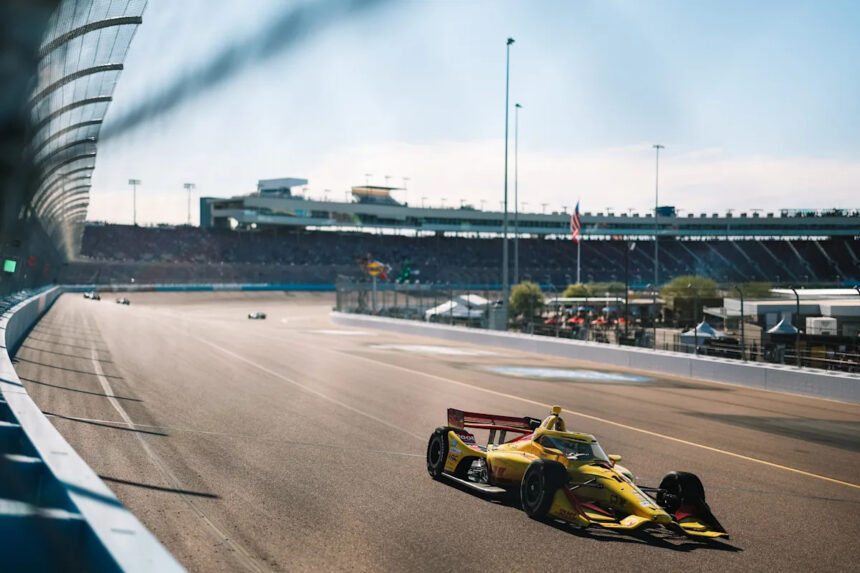
Relive the drama, the daring passes, and the desert night action through the lens trackside photographers captured. See the best photos from IndyCar’s Phoenix race for a full visual account of the event that changed the championship landscape.
Source: Based on news from Yahoo Sports.