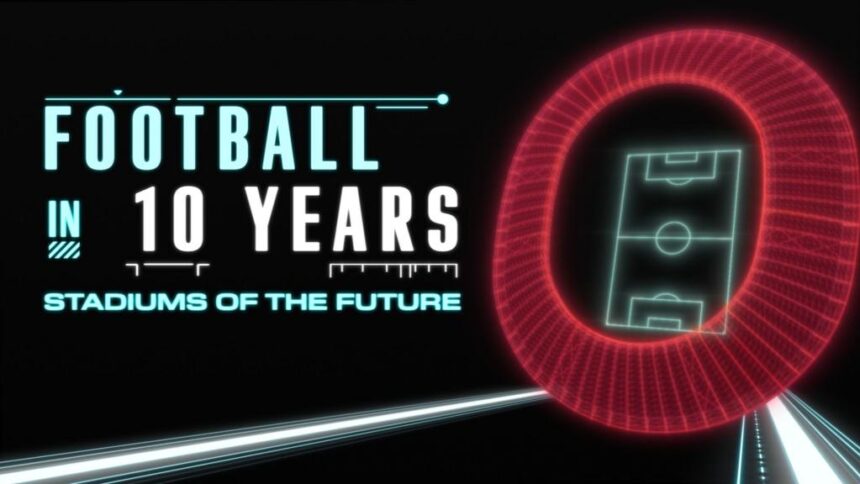
Beyond the Bowl: Inside the Radical Redesign of Football’s Future Stadiums
The roar of the crowd, the smell of cut grass, the shared agony and ecstasy under floodlights—these are the timeless elements of football. Yet, the vessels that contain these emotions, the stadiums themselves, are on the cusp of a revolution. From the rutted fields of the sport’s infancy to the gleaming, billion-dollar coliseums of today, the football ground has constantly evolved. Now, as we look towards 2036, a new wave of technological and societal shifts promises to transform our matchday experience once more, creating hyper-connected, personalized, and sustainable arenas that will make today’s structures feel quaint. This is not science fiction; it’s the imminent future of the beautiful game’s home.
The End of the One-Size-Fits-All Experience
For decades, the fan’s in-stadium role was passive: buy a ticket, find your seat, watch the game. The stadium of the future shatters this model, placing personalized fan engagement at its core. Imagine arriving at the turnstile, where facial recognition or a digital token grants seamless entry. As you walk in, an app on your phone or AR glasses welcomes you by name and guides you to your seat via the fastest route, past concessions offering your favorite half-time snack, pre-ordered and ready for pickup.
Your seat is no longer just plastic and concrete. It’s a sensory command center. Haptic feedback in the armrests could vibrate with the intensity of a last-minute tackle. Augmented reality overlays, viewable through stadium-provided glasses or your own device, will transform the pitch. See real-time player stats floating above their heads, follow the trajectory of a pass with a digital trail, or choose from multiple camera angles on the giant screen, including a drone’s-eye view. For the global fan, language-neutral AR graphics could display offside lines or key moments, making the game universally accessible.
- Biometric ticketing for frictionless entry and in-seat payments.
- Haptic technology in seats to physically feel key moments.
- AR overlays for real-time stats, tactical lines, and alternate camera angles.
- AI-powered concierge apps managing everything from food orders to restroom wait times.
Climate Control and the Biophilic Arena
The stadium of 2036 will wear its environmental conscience on its sleeve—or rather, on its roof and walls. With climate change and energy costs paramount, sustainable stadium design will be non-negotiable. We will move beyond token solar panels to fully integrated ecosystems. Expect to see vast, lightweight photovoltaic canopies that not only power the stadium but also feed energy back into the local grid. Advanced rainwater harvesting systems will irrigate the pitch and service facilities, closing the water loop.
Architecturally, the future is “biophilic”—a design philosophy that seeks to connect occupants more closely to nature. This means stadiums filled with natural light, featuring living walls of air-purifying plants, and incorporating natural ventilation systems that reduce reliance on energy-hungry air conditioning. The playing surface itself may be a hybrid of natural grass and reinforced synthetic fibers, maintained by robotic mowers and sensors that monitor soil health in real-time. The goal is a net-zero carbon footprint, making a day at the football a guilt-free pleasure.
The Data-Driven Pitch and Immersive Broadcasts
On the field, the stadium itself becomes a coach’s most valuable analyst. A network of sensors embedded under the turf and in the ball will generate a torrent of data, tracking player movement, speed, fatigue levels, and biomechanics with millimeter precision. This real-time performance analytics will be available to coaching staff instantly, informing tactical shifts and substitutions. But the innovation won’t stop at the touchline.
The broadcast experience, both in-stadium and at home, will be utterly transformed. For the armchair fan, the stadium’s sensor network and thousands of ultra-high-definition cameras will enable truly immersive viewing experiences. Broadcasters could offer a “player cam” that lets you see the game through the eyes of your favorite striker, complete with their heart rate and exertion data displayed. Virtual reality could allow fans to “sit” in a virtual premium seat from their living room, looking around a fully rendered, live stadium. The line between attending and watching will blur, forcing clubs to make the physical experience irreplaceably social and electric.
The Community Hub: Stadiums That Never Sleep
The greatest shift may be in the stadium’s relationship with its city. The monolithic structures of today, dormant for most of the week, are economically and socially inefficient. The future stadium is a 365-day-a-year destination. Architects like Graeme Langford envision multi-purpose spaces designed for flexibility. Retractable pitches will reveal concrete floors for concerts, esports tournaments, and community markets. Stands that reconfigure via movable seating blocks will accommodate everything from a football match to a tennis grand slam.
These will be vibrant urban districts, with hotels, co-working spaces, gyms, microbreweries, and healthcare clinics built into the fabric of the stadium bowl. On non-matchdays, locals will come for a yoga class on the pitch, a business meeting in a skybox-turned-conference room, or to watch a film on the giant screen. This model ensures economic viability, deepens the club’s roots in its community, and transforms the stadium from a weekend temple into a beating heart of daily life.
The journey from muddy field to intelligent arena is accelerating. The stadiums of 2036 will be living, breathing entities—responsive, sustainable, and deeply connected to every individual who walks through their gates or tunes in from afar. They will cater to our desire for community while offering unprecedented personalization. They will challenge our environmental impact while amplifying the game’s drama. The beautiful game’s future cathedrals won’t just host football; they will be experiences in themselves, ensuring that the magic of matchday evolves, endures, and excites for generations to come.
Source: Based on news from BBC Sport.