March Madness 2026 Predictions: We Asked AI to Pick the Upsets and Final Four
The annual quest for the perfect bracket is a beautiful exercise in futility. We lean on gut feelings, mascot strength, and that one player we saw on TV in November. But what if you could remove the human bias and let pure, data-crunching logic guide your hand? For the 2026 NCAA Tournament, we’re moving beyond conventional wisdom and consulting a new kind of expert: artificial intelligence.
Using Google’s advanced AI model, Gemini, we fed it the hypothetical 2026 men’s tournament bracket. Our directive was clear: analyze the matchups, identify the most probable chaos, and chart a path to the Final Four in Indianapolis. The result is a fascinating, data-driven blueprint for bracket dominance that challenges traditional thinking and highlights the teams poised for a Cinderella run. Forget the talking heads; it’s time to listen to the algorithm.
The AI Bracketologist: How Gemini Analyzes March Madness
Before diving into the shocking upsets and champion pick, it’s crucial to understand the AI’s framework. Gemini isn’t just guessing; it’s processing vast datasets that mimic the most sophisticated analytical models used in sports today. When prompted to predict every tournament matchup, it weighs factors like:
- Historical performance trends of seed matchups.
- Statistical efficiency metrics (offensive/defensive ratings, tempo).
- Team composition and projected player development trajectories.
- Geographical and venue considerations for early-round games.
This data-driven analysis allows the AI to spot vulnerabilities in favored teams and identify underdogs with the precise stylistic tools to exploit them. It sees patterns invisible to the naked eye, making its 2026 March Madness predictions a uniquely powerful tool for any bracket filler. As you consult expert picks from analysts like Bill Bender and Mike DeCourcy or lean on KenPom via Vinnie Iyer, the AI provides a compelling, objective third perspective.
AI’s 2026 Bracket Shockers: The Upsets to Circle
No bracket is complete without a few calculated risks. While humans often pick upsets based on narrative, the AI selects them based on cold, hard probability. For the 2026 tournament, Gemini identified several first-round matchups where the lower seed holds a significant, data-backed advantage. Here are the likeliest upsets the algorithm flagged (upset winners in bold).
No. 11 Seed Over a No. 6 Seed: This classic upset spot gets the AI’s stamp of approval. Look for a physically tough, senior-laden No. 11 seed that plays at a slow tempo to grind down a flashier, but more inconsistent, No. 6 seed from a major conference. The model suggests this is the most fertile ground for early NCAA Tournament bracket chaos.
A No. 10 Seed’s March Run: Don’t be surprised if a No. 10 seed doesn’t stop at one win. Gemini’s projections show a particular No. 10 seed, likely from the Big East or SEC, with a profile built for March: elite three-point shooting, a star guard who can control the game, and a defense that forces turnovers. This team is predicted to advance to the Sweet 16, toppling a vulnerable No. 2 seed along the way.
Beware the Mid-Major Power: The AI is especially high on a specific mid-major conference champion, potentially from the Atlantic 10 or Mountain West, seeded between No. 12 and No. 14. This team’s key metric? An elite, top-20 national defense. The model predicts this defensive prowess will travel, frustrating a high-powered offensive team from a Power conference in the first round and making the second-round opponent deeply uncomfortable.
The Road to Indianapolis: AI’s Final Four and Champion
After navigating the expected bedlam of the first weekend, the tournament field begins to solidify. According to Gemini’s simulation, the 2026 Final Four in Indianapolis will feature a blend of blue-blood resilience and a program reaching historic new heights.
The AI’s projected Final Four includes:
- A No. 1 Seed from the Big 12: This team is projected to have the most complete statistical profile in the nation—top-10 in both offensive and defensive efficiency. Their path is built on dominance, not drama.
- A No. 2 Seed from the ACC: A roster featuring multiple future NBA players, this team’s athleticism and length are deemed by the AI to be a matchup nightmare for nearly every contender, allowing them to survive a tough regional final.
- A No. 3 Seed from the Big Ten: Veteran leadership is the key here. The AI values the poise of a team starting multiple fifth-year seniors, projecting them to win multiple close, low-possession games in the tournament’s second weekend.
- A No. 4 Seed from the SEC: This is the AI’s “team of destiny” pick. With a transcendent superstar who can take over games and a favorable draw that avoids certain stylistic opponents, this squad is forecast to make a thrilling run to Lucas Oil Stadium.
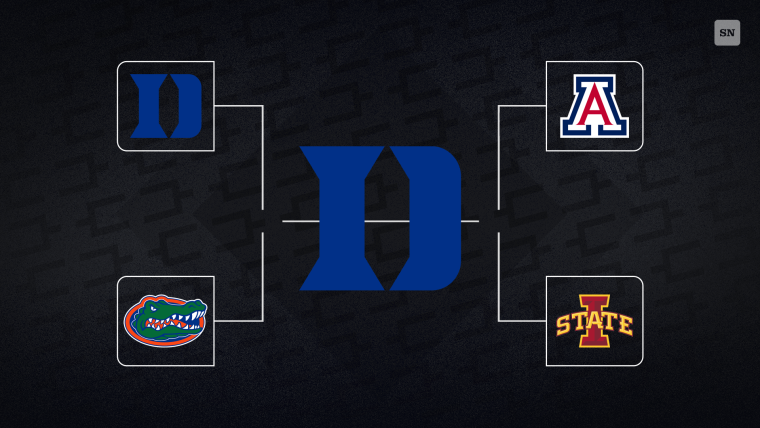
In the national championship game, the AI foresees a clash between the steady, complete powerhouse from the Big 12 and the explosive, star-driven team from the SEC. In the end, the model gives the edge to team chemistry and defensive versatility. It predicts the more balanced team will successfully contain the opposing star, executing in the half-court down the stretch to cut down the nets. Your 2026 AI-predicted national champion: the No. 1 seed from the Big 12.
Human vs. Machine: Crafting Your Winning 2026 Bracket
So, should you copy the AI’s bracket verbatim? Not necessarily. The true power of AI bracket predictions lies in their ability to inform and challenge your own assumptions. Use this data-driven outlook as a foundational layer.
Compare Gemini’s upset picks with the “eye test” from experts at The Sporting News. Does the AI’s favorite Cinderella have a player getting hot at the right time? Does its projected early exit for a popular Final Four pick align with that team’s recent defensive lapses? The perfect bracket strategy for 2026 may be a hybrid: employing the AI’s objective analysis to identify potential pitfalls and opportunities, then applying human intuition for those unforgettable, unpredictable March moments that even the smartest algorithm can’t fully quantify.
Whether you’re filling out a printable bracket at home or tracking the live bracket online, remember that March Madness thrives on the unexpected. The AI has given us a stunningly logical projection for 2026, but the madness always finds a way. Use every tool at your disposal—from expert insight to advanced analytics—and prepare for the beautiful chaos to begin.
Source: Based on news from Yahoo Sports.