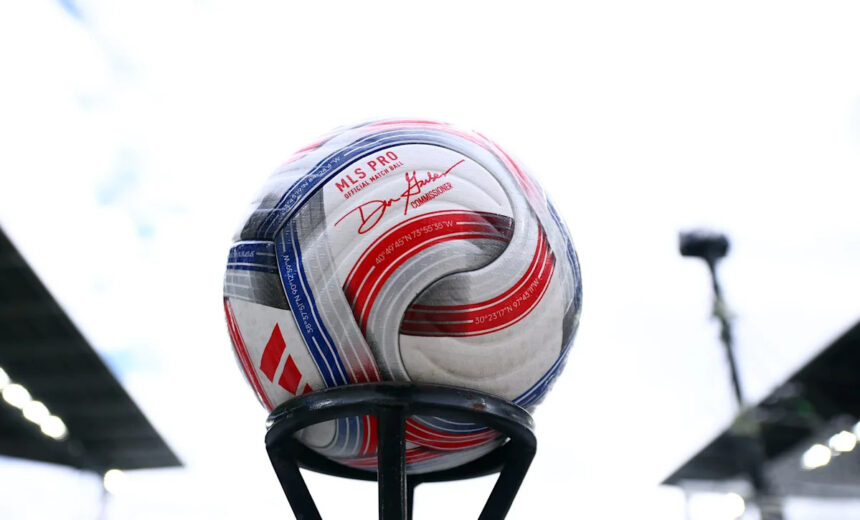
MLS Unveils 2027 “Sprint Season”: The Bridge to a New Global Era
The tectonic plates of American soccer are shifting. Major League Soccer, a league built on a distinctly North American sports calendar, is preparing for its most profound transformation since its 1996 kickoff. The long-anticipated move to a fall-to-spring schedule is now on the horizon, and the league has just revealed the crucial, one-time mechanism that will make it possible: the 2027 “sprint season.” This condensed, high-octane campaign is not merely a scheduling quirk; it is the strategic pivot point that will realign MLS with the global soccer rhythm, forever changing the league’s competitive and commercial landscape.
The Sprint Season Blueprint: A 14-Game Dash to History
To facilitate the monumental calendar shift, the 2027 season will be a unique, truncated affair. Think of it as a bridge—a short, intense span connecting the old MLS era to the new. The league has released specific details that outline a campaign unlike any other in its history.
The 2027 sprint season will be a whirlwind. Commencing in February and concluding in April, each club will play a 14-game regular season. The format prioritizes conference play, ensuring every match carries immense weight in the standings. From this brief but fierce competition, the top eight teams from each conference will advance to the playoffs in May.
The postseason will mirror the season’s intensity. It will be a straightforward, no-margin-for-error single-elimination bracket tournament, culminating in the 2027 MLS Cup. This winner-take-all format promises a month of unparalleled drama, where a single moment of brilliance—or a costly error—can define a club’s place in this unique chapter of league history.
- Timeline: February – April (Regular Season), May (Playoffs).
- Format: 14-game conference-heavy slate.
- Playoffs: 8 teams per conference, single-elimination bracket.
- Crown Jewel: The 2027 MLS Cup.
Why the Shift? MLS Embraces the Global Game
Since its inception, MLS has operated on a spring-to-fall calendar, a model that avoided direct competition with the NFL and college football autumns but isolated it from the international transfer windows and competition cycles followed by the world’s elite leagues. This misalignment created persistent challenges:
The move to a fall-to-spring calendar, beginning after the 2027 sprint season, is a deliberate and ambitious effort to integrate MLS fully into the global soccer ecosystem. This alignment offers transformative benefits. It synchronizes the MLS transfer windows with Europe and most of South America, simplifying player acquisitions and sales. It also better prepares MLS clubs for elite continental competitions like the CONCACAF Champions Cup, as teams will be in mid-season form during the tournament’s crucial knockout stages, rather than just starting their preseason.
The symbolic importance cannot be overstated. This shift signals that MLS is no longer content to be a regional outlier. It is declaring itself a committed member of the global football community, a move that enhances its credibility and appeal to international stars and fans alike.
Analysis: Unpacking the On-Field Impact and Strategy
From a sporting perspective, the 2027 sprint season will be a fascinating tactical laboratory. The compressed schedule will test squad depth like never before. Clubs with robust, versatile rosters—capable of weathering a fixture crunch without a significant drop in quality—will hold a distinct advantage.
This format inherently favors teams that can start fast. There will be no time for a slow burn or a mid-season slump. Every dropped point in a 14-game season is magnified. Coaches may prioritize fitness and defensive solidity over expansive, high-risk tactics. The margin for error evaporates. Furthermore, the single-elimination playoffs introduce a massive element of chance, meaning the best regular-season team is far from a lock to lift the Cup. This creates a scenario where a hot goalkeeper or a singular superstar can carry a team to glory.
Speaking of superstars, the calendar shift is poised to further elevate the league’s profile. Imagine a player of Lionel Messi’s caliber—whose historic 900th career goal for Inter Miami in March 2026 was a global event—competing in an MLS season that peaks alongside Europe’s major leagues. The narrative shifts from “MLS is in offseason” to “MLS is in the title race,” capturing worldwide attention simultaneously. This integrated calendar makes the league a more viable and attractive destination for top talent in their prime.
Predictions: A Legacy-Defining Sprint and a Transformed Future
The 2027 season will be a collector’s item in MLS lore. We predict it will be remembered for its breakneck pace, unpredictable outcomes, and the emergence of unlikely heroes. The team that hoists the 2027 MLS Cup will have earned it through a unique, grueling test of resilience and adaptability. Their title will forever carry an asterisk of distinction—the champion of the great transition.
Looking beyond the sprint, the long-term future of MLS appears brighter and more interconnected. By 2028, the league will be fully synchronized with the global calendar. This will lead to:
- Enhanced Competitiveness: Smoother player integration and consistent preparation for international fixtures.
- Increased Prestige: A stronger position in the global football conversation and transfer market.
- New Rivalries: Potential for more meaningful summer international club friendlies and tournaments.
The risks, of course, involve navigating harsh winter weather in northern markets and maintaining fan engagement during the crowded fall sports landscape. But MLS is betting that the benefits of global integration will far outweigh these logistical challenges.
Conclusion: The Final Countdown to a New Dawn
The announcement of the 2027 sprint season is more than a scheduling update; it is the official starting pistol for MLS’s next epoch. This condensed campaign is the essential, thrilling bridge between the league’s proud domestic past and its ambitious global future. It will be a season of extreme pressure, historic urgency, and unforgettable drama. When the final whistle blows on the 2027 MLS Cup, it will not just crown a champion; it will close the book on one era and inaugurate another. The world’s game has a North American league finally ticking to the same clock, and the entire sport will be watching to see what happens next.
Source: Based on news from Yahoo Sports.