NBA Axes Hawks’ “Magic Monday” Strip Club Tribute, Igniting Branding and Culture Debate
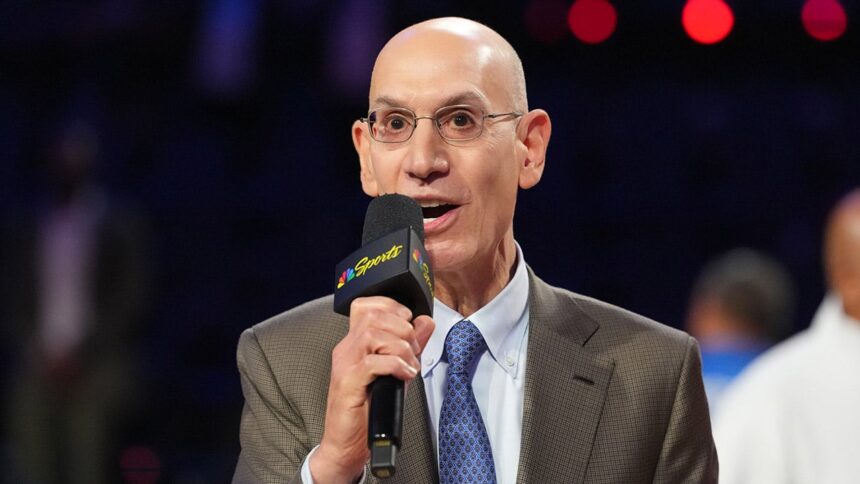
The line between savvy local marketing and a major league public relations headache just got a bold, lemon-pepper-scented highlight. In a move that underscores the perpetual tension between franchise creativity and league-wide brand management, the NBA has forcefully canceled the Atlanta Hawks’ planned “Magic Monday” promotion, an event that was set to intertwine a game against the Orlando Magic with a celebration of the city’s world-famous Magic City strip club. The decision, confirmed by Commissioner Adam Silver, has thrown a spotlight on the complexities of modern sports marketing, local culture, and the boundaries of professional sports propriety.
A Promotion Too Far: From Court Concepts to Club Culture
The concept, on its surface, played on a clever homonym. The Hawks host the Orlando Magic on a Monday. Atlanta is home to the iconic Magic City, a strip club that is as much a part of the city’s cultural and hip-hop lore as its culinary scene, famously credited for popularizing lemon pepper wings. The Hawks’ marketing team saw an opportunity for a crossover event that would resonate deeply with a segment of the local fanbase. However, the league office saw a potential brand catastrophe.
While the Hawks had not released specific promotional details, the mere association—celebrating an establishment in the adult entertainment industry—was enough for the NBA to step in. The league, under Silver’s leadership, has meticulously cultivated a global, family-friendly image while also embracing social justice initiatives and progressive partnerships. A team-sanctioned nod to a strip club, no matter how culturally significant in its locale, represents a direct clash with that carefully constructed identity.
Key factors in the NBA’s swift intervention likely included:
- Corporate Partnership Protection: The league’s billion-dollar deals with global brands in technology, apparel, and finance are built on specific brand safety assurances.
- Broadcast Standards: National and local television partners have clear guidelines on content and associations, making a “Magic City” segment a potential minefield.
- Youth Audience: The NBA aggressively markets to younger demographics, making any adult-themed promotion a non-starter.
- Precedent Setting: Allowing this promotion would open the door for other teams to explore similar locally “relevant” but potentially controversial tie-ins.
Expert Analysis: The Tightrope of Local Flavor vs. League Uniformity
Sports marketing experts see this incident as a textbook case of a franchise testing the limits of its autonomy. “Teams are constantly trying to create unique, buzz-worthy events that cut through the noise and connect on a hyper-local level,” says Dr. Elena Rodriguez, a professor of sports management. “The Hawks identified something authentically Atlanta. But the NBA isn’t selling 30 individual brands; it’s selling one unified product. The risk of alienating national sponsors and a broad segment of fans far outweighed the local buzz this would have generated.”
The incident also touches on deeper cultural conversations. Magic City is undeniably woven into the fabric of Atlanta’s music and social scene, referenced in countless rap songs and recognized as a cultural institution. From a purely local perspective, the promotion was a cheeky acknowledgment of a homegrown landmark. Yet, from the league’s global perch, that nuance is lost, reduced to a reductive and problematic association.
This is not the first time Adam Silver’s NBA has acted as a brand policeman. The league maintains strict uniform codes, controls national marketing narratives, and has veto power over jersey patch sponsors. The “Magic Monday” cancellation is a powerful reminder that this control extends deeply into team-led promotional calendars. The message to franchises is clear: creativity is encouraged, but not at the expense of the league’s core commercial and image interests.
Predictions: Ripple Effects and the Future of Edgy Marketing
The fallout from this decision will extend beyond a simple canceled promotion. We can anticipate several immediate and long-term consequences:
- Increased League Scrutiny: Team marketing departments across the league will now face more rigorous pre-approval processes for theme nights and promotional concepts, potentially stifling some creative, but safe, ideas.
- The “Lemon Pepper Wing” Loophole: Expect the Hawks to potentially pivot to a purely culinary celebration. A “Taste of Atlanta” night featuring local wing spots, including Magic City’s famous recipe (under a generic “iconic lemon pepper wings” banner), could be a workaround that honors the intent without the explicit association.
- Fan Reaction Divide: While some fans will applaud the league for maintaining standards, a vocal contingent in Atlanta and beyond will decry the move as out-of-touch, corporate overreach that disrespects local culture.
- Sponsor Innovation: This event may lead to more explicit clauses in league-wide sponsorship agreements regarding acceptable promotional tie-ins, further codifying what is off-limits.
The broader prediction is a chilling effect on the edgier side of sports marketing. Teams will likely retreat to safer, more universally accepted themes—heritage nights, mascot birthdays, and generic giveaways. The daring, locally-specific campaigns that can generate the most organic talk will now come with a much higher risk of league veto.
Conclusion: A Defining Moment in Brand Governance
The cancellation of the Hawks’ “Magic Monday” is far more than a quirky sports blip. It is a defining case study in the modern economics and ethics of professional sports. It highlights the immense power of the league office to standardize its product and protect its revenue streams, even when it means overruling a franchise’s attempt to connect with its city in a genuinely grassroots way.
Ultimately, Adam Silver’s NBA made a business decision, not a cultural one. In the calculus of global appeal, the authentic grit of a local institution like Magic City registered as a liability. The episode serves as a stark reminder that in today’s multi-billion dollar sports landscape, the league’s brand is the supreme asset, and its protection is non-negotiable. While the lemon pepper wings may still be a topic of conversation in the stands, the club they made famous will remain firmly outside the NBA’s officially sanctioned version of Atlanta culture. The boundary, for now, has been decisively drawn.
Source: Based on news from Fox Sports.