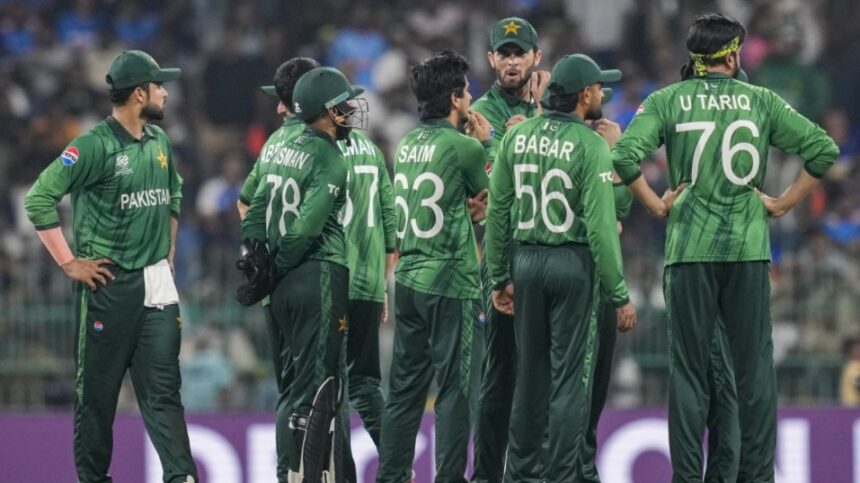
PCB Denies Player Fines After T20 World Cup Debacle, But Accountability Looms
The echoes of Pakistan’s premature exit from the 2026 T20 World Cup have been met not with the clang of cash penalties, but with the quiet, unsettling hum of impending structural change. In a move that clarifies immediate actions but clouds the future, the Pakistan Cricket Board (PCB) has categorically denied reports that players were slapped with fines of PKR 5 million each for their group-stage failure. However, the board’s statement opens a Pandora’s box of questions about performance-based pay and the very culture of accountability within the national setup.
The Fine That Wasn’t: PCB Spokesman Sets the Record Straight
Over the weekend, PCB spokesperson Amir Mir moved swiftly to quash a swirling storm of media speculation. Reports from prominent outlets had suggested a draconian financial penalty was imminent for each member of the T20 World Cup squad, a reaction to the team’s failure to reach the semifinals. Mir, in a clear and direct rebuttal, stated that no such fines have been imposed on any player.
“No player has been fined but yes the board is thinking about working out a formula for players because they get a lot of incentives when they perform well. But nothing is final and no player has been fined,” Mir told reporters, as quoted by PTI. This distinction is crucial. While dismissing the specific penalty, the spokesman explicitly confirmed that the board is actively exploring a performance-based accountability formula. The rationale, as hinted, stems from the significant earnings of top players—reportedly between PKR 6-7 crore—and a desire to create a stronger link between remuneration and on-field results.
Anatomy of a Campaign: How Pakistan’s T20 World Cup Unraveled
To understand the context of this accountability debate, one must revisit the disappointing 2026 T20 World Cup campaign. Pakistan’s journey was a case study in inconsistency, tactical confusion, and missed opportunities, culminating in a shockingly early exit. Their struggles were multifaceted:
- Batting Inconsistency: The top order, often hailed as world-class, failed to fire in unison. Apart from sporadic individual brilliance, there was a glaring lack of substantial, match-defining partnerships in critical games.
- Middle-Order Muddle: The engine room of the innings repeatedly stalled. The roles of finishers and accelerators seemed undefined, leading to collapses or underwhelming totals in the death overs.
- Bowling Frailties Under Pressure: Even a traditionally potent bowling attack looked toothless on key occasions. Death bowling, once a feared weapon, leaked runs, while spinners failed to provide the controlling middle-overs stranglehold.
- Questionable Tactics: From team selection to on-field captaincy decisions, several strategic calls were widely panned by pundits and fans alike, suggesting a possible disconnect between planning and execution.
This collective failure, against a backdrop of immense national expectation, naturally triggered a demand for consequences beyond mere verbal reviews.
Incentive vs. Penalty: The PCB’s Philosophical Crossroads
The PCB’s current deliberation represents a significant philosophical shift in how it manages its central contracts. Traditionally, contracts guarantee substantial retainers regardless of form or result, with bonuses added for victories. The new performance-based accountability formula under consideration could invert this model, or at least reshape it dramatically.
Expert analysis suggests this is a double-edged sword. Proponents argue that in a high-stakes professional sport, financial stakes must reflect professional output. It could foster a greater sense of urgency and responsibility, ensuring players are acutely aware that subpar performances have tangible repercussions. This model is not uncommon in corporate worlds and is creeping into sports franchises globally.
However, critics warn of potential pitfalls. A punitive culture could increase immense pressure, stifling the fearless cricket required in T20s. It might breed resentment and a risk-averse mindset among players. Furthermore, the devil will be in the details: how is “performance” quantified? Is it purely on wins, or individual metrics? Does a bowler who excels in a losing cause get penalized? The PCB’s challenge is to design a system that motivates rather than intimidates, and rewards excellence while fairly defining accountability for failure.
The Road Ahead: Predictions for a Team in Transition
The denial of fines is likely just the calm before a storm of structural changes. The PCB’s statement is a clear signal that the status quo is unacceptable. We can anticipate several developments in the coming months:
- Contract Overhaul: The central contract system will likely be revised to incorporate performance-based incentives and possibly clauses linked to tournament progression.
- Selection Reckoning: While not fined, several underperforming stars may find their places in jeopardy as selectors look to build a new, hungrier core for the next World Cup cycle.
- Leadership Scrutiny: The captaincy, across formats, will come under intense review. The board may seek a leader who can not only inspire on the field but also uphold the new culture of accountability off it.
- Grassroots Refocus: Long-term, expect louder calls for investing in systemic change—from domestic cricket structure to coaching pathways—to reduce the recurring cycle of reliance on individual talent and subsequent collective disappointment.
Conclusion: Accountability Beyond the Bank Balance
The PCB’s dismissal of the PKR 5 million fine reports is a factual correction, but it is far from an absolution for the team’s T20 World Cup exit. By openly admitting it is working on a performance-based formula, the board has placed the concept of player accountability squarely on the agenda. The real “fine” for the players may not be a direct debit from their accounts, but a fundamental reshaping of their professional environment where security is earned, not given.
True accountability, however, must extend beyond financial levers. It requires honest technical reviews, courageous selection decisions, and a cultural reset that prioritizes consistent process over sporadic brilliance. The 2026 World Cup exit is a symptom; the PCB’s response in the coming months will reveal whether it is serious about curing the disease. The world is watching to see if Pakistan cricket chooses a path of reactive punishment or proactive, sustainable reform.
Source: Based on news from India Today Sport.