Police Probe Emirates Stadium Altercation After Everton’s Barry Alleges Friends Were “Attacked”
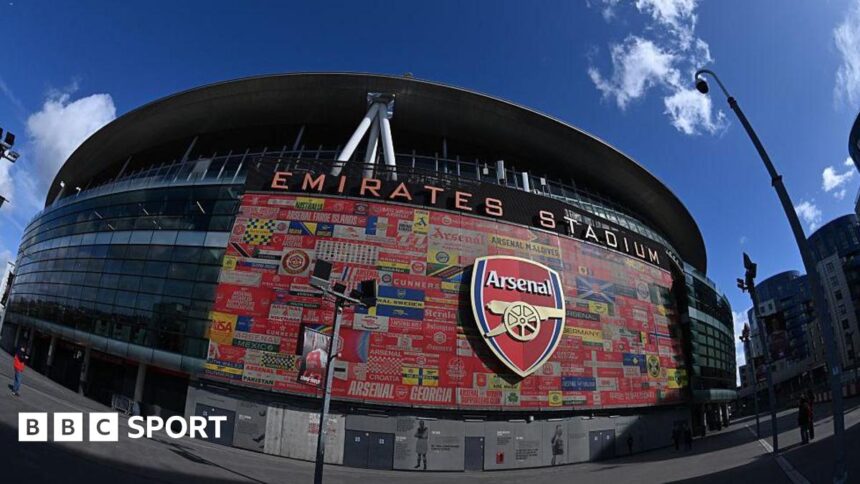
A cloud of controversy has settled over the Emirates Stadium following Arsenal’s 2-0 victory over Everton, with the post-match discourse shifting from tactical triumphs to troubling allegations of fan violence. The Metropolitan Police have launched an investigation into an altercation in the away section, prompted by claims from Everton substitute Thierno Barry that his friends were “attacked” during the match. The incident, which unfolded amidst a crucial Premier League clash, raises serious questions about fan safety, player welfare, and the escalating tensions that sometimes mar the beautiful game.
The Allegations: Barry’s Social Media Accusation and Police Response
The story broke not through an official club statement, but via the modern-day conduit of player-fan communication: Instagram. Everton striker Thierno Barry, a 23-year-old Frenchman who came on as a second-half substitute, took to his Instagram story to voice his distress. He claimed that his friends, present in the away end, had been “attacked” by other supporters. Barry further stated that they had to be escorted from the section by Arsenal security and police “because of fears of retaliation from our supporters,” a detail that adds a complex, intra-fan dynamic to the incident.
Accompanying his statement was a short, chaotic video clip depicting a scuffle between fans, though the context and identities of those involved were unclear. In response to the emerging reports, the Metropolitan Police confirmed they are investigating the altercation. Their statement provided some initial relief but little resolution, noting that no serious injuries were reported and there have been no arrests at this stage. Authorities emphasized they are “working with the clubs to identify those involved,” a process that will likely involve scrutinizing CCTV footage from the stadium.
Everton FC issued a brief but pointed response, confirming they are “aware of the incident and will review the circumstances surrounding it.” This internal review will be crucial in understanding the full sequence of events from the players’ perspective.
Expert Analysis: Unpacking the Layers of a Stadium Incident
From a sports journalism perspective, this incident is a multifaceted issue that extends beyond a simple fan clash. Several critical layers demand examination:
- Player and Associate Safety: The alleged targeting of a player’s friends is a particularly concerning escalation. It blurs the line between on-pitch rivalry and off-pitch harassment, potentially impacting a player’s mental state and sense of security. Clubs have a duty of care not only to their staff but to their guests.
- The Role of Social Media: Barry’s decision to go public instantly amplified the incident, bypassing traditional club communications. While it highlights a genuine concern, it also presents challenges for controlled investigation and can inflame tensions further before facts are fully established.
- Away Fan Dynamics: Barry’s claim that his friends feared “retaliation from our supporters” suggests a possible conflict within the Everton fanbase. This could point to disagreements over fan conduct, or anger directed at associates of a player following a poor team performance, a toxic and worrying trend.
- Stadium Security Protocols: The incident will trigger a review of security deployment in the away section, especially regarding the monitoring of fan movements and the speed of intervention. The fact that police escort was required indicates a significant breakdown in crowd cohesion.
This is not an isolated event in football, but part of a worrying pattern of increased aggression in stadiums post-pandemic. The pressure-cooker environment of a relegation battle, which Everton is deeply embroiled in, often exacerbates these tensions, spilling over from the pitch to the stands.
Predictions and Repercussions: What Happens Next?
The fallout from this probe will unfold across several fronts, with potential consequences for all parties involved.
For the Police and Clubs: The immediate next step is identification. The Met’s collaboration with Arsenal and Everton will focus on CCTV and possibly fan footage to pinpoint instigators. If identified, those involved face potential football banning orders, which would prohibit them from attending matches for a significant period, and possible criminal charges for assault or public order offenses. Arsenal, as the host club, will also review their security arrangements for high-risk matches.
For Everton and Thierno Barry: Everton’s internal review will be critical. They must support Barry while also gathering facts. The club may offer counseling or increased security assurances for players and their families. For Barry, this public ordeal could be distracting, but it may also galvanize solidarity within the squad. How the club manages this sensitive situation will be a test of its player support infrastructure.
For the Premier League: While the league will let the police investigation run its course, it will monitor closely. A formal report will be requested. If systemic safety issues are highlighted, it could lead to renewed league-wide directives on fan segregation and security standards, particularly in the volatile atmospheres surrounding relegation and championship-deciding fixtures.
A Stark Reminder: The Conclusion Beyond the Scoreline
While Arsenal’s 2-0 win solidified their title charge and deepened Everton’s relegation fears, the most lasting memory from this matchday may be one of disorder. The police probe into the altercation at the Emirates serves as a stark reminder that football’s passions, when misdirected, can quickly undermine the sport’s integrity and safety. The allegations made by Thierno Barry—regardless of the specific findings—highlight a vulnerable human element often obscured by the spectacle: players’ loved ones are not tactical pawns, and the stands should be a place of passionate support, not violence.
The true measure of this incident’s impact will be in the response. It demands rigorous police work, thoughtful club action, and, ultimately, introspection from the fan culture itself. The beautiful game’s foundation is collective enjoyment and respectful rivalry. When fear enters the equation—whether for a player, his friends, or fellow supporters—everyone loses. The hope now is that this probe leads not only to accountability but to a renewed commitment to safeguarding the environment that makes football the world’s most beloved sport.
Source: Based on news from BBC Sport.