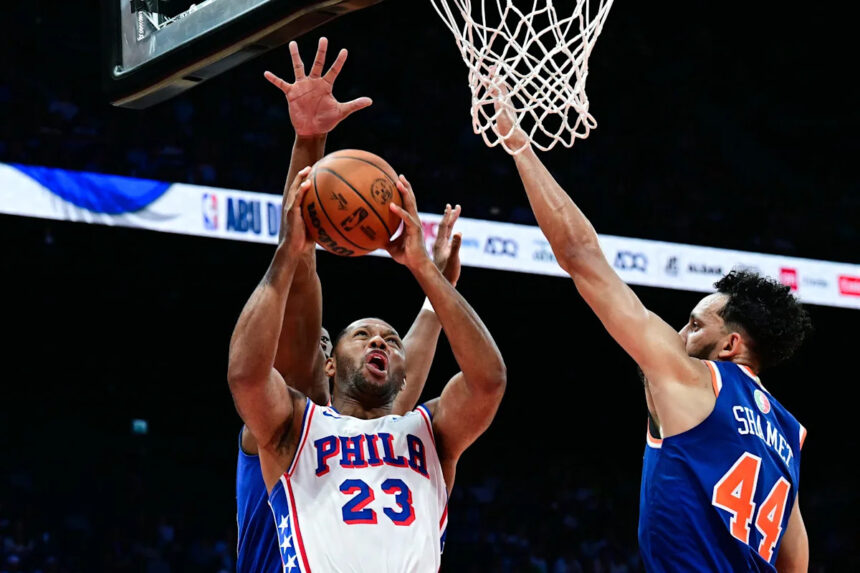
Sixers Make Final Hour Roster Maneuver, Trade Eric Gordon to Grizzlies
With the NBA trade deadline clock ticking under 60 minutes, the Philadelphia 76ers’ front office is working with surgical precision. In a move that prioritizes future flexibility over present-tense depth, the Sixers have reportedly dealt veteran guard Eric Gordon to the Memphis Grizzlies. The return? A swap of second-round picks in the distant year of 2032. This subtle transaction, first reported by Sixers Wire, is less about the assets exchanged and more about the crucial roster and financial breathing room it creates for Philadelphia’s immediate and long-term plans.
This trade, coming on the heels of sending Jared McCain to Oklahoma City, signals a clear and calculated strategy from President of Basketball Operations Daryl Morey. The goal isn’t to land a superstar in the final hour, but to meticulously align the team’s ledger and roster slots for the stretch run and beyond. Trading Gordon, who saw minimal action in just six games this season, is the key that unlocks the next phase of the Sixers’ roster construction.
Decoding the Deal: Flexibility Over Flash
On the surface, trading a former Sixth Man of the Year for a pick swap seven years into the future seems inconsequential. But in the high-stakes, cap-conscious world of the NBA, this is a move of significant nuance. Eric Gordon’s contract, though not massive, represented a tangible piece of salary on the books. By moving him, the Sixers accomplish two critical objectives.
First, they open a precious roster spot on the standard 15-man list. This vacancy is not intended to remain empty. It is the direct pathway for the promotion of two-way contract players who have earned their stripes. Second, the move provides additional financial flexibility, a currency Morey values as highly as draft capital. This creates optionality for potential buyout market additions or future transactions where absorbing salary is necessary.
For the Memphis Grizzlies, the acquisition is a low-risk flier on a proven veteran. Gordon, now in his 18th season, averaged 5.5 points and shot a blistering 57.1% from three in his limited Sixers stint. He provides Memphis with a hardened, professional shooter and locker room presence as they navigate their own season challenges, offering depth and mentorship without a long-term commitment.
The Real Prize: Securing Emerging Talent
The true motivation behind this deadline-eve trade becomes crystal clear when you examine the players it directly benefits: Dominick Barlow and Jabari Walker. Both on two-way contracts, they have exceeded expectations and forced the organization’s hand with their energetic and productive play.
- Dominick Barlow: The athletic big man has provided crucial minutes off the bench with his rim-running, offensive rebounding, and defensive activity. His conversion to a standard deal secures him for the playoffs, where two-way players are ineligible.
- Jabari Walker: The forward has shown a high motor and a knack for being in the right place, contributing with efficient scoring and hustle plays. Retaining his rights long-term is a savvy move for a player with clear upside.
By creating the space to convert both, the Sixers are making a statement: they are investing in their own developmental success stories. This is about roster building from within, rewarding performance, and solidifying the end-of-bench rotation with hungry, productive young players who understand their roles. It’s a pragmatic and forward-thinking approach that strengthens the team’s depth chart without the volatility of an external acquisition.
Strategic Implications for the Sixers’ Timeline
This quiet deadline strategy speaks volumes about where the Sixers see themselves. They are not a team desperate to mortgage the future for a fleeting chance this season. Instead, they are operating on a dual track:
1. Maximizing the Current Window: By solidifying the bench with Barlow and Walker, they improve their rotation for the postseason. These moves, coupled with their earlier trade for a star, show a focus on sustainable depth to support their championship aspirations.
2. Preserving Future Assets: The 2032 pick swap, while seemingly trivial now, is a classic Morey asset play. It costs nothing today but could have value in a future trade package. More importantly, by avoiding taking on long-term salary, the Sixers protect their cap sheet for the coming summers, where they plan to be major players in free agency to build around their core.
The trade of Eric Gordon is a footnote in the day’s bigger headlines, but it is a masterclass in salary cap management and roster optimization. It’s the unsexy, administrative work that championship contenders must execute flawlessly to maintain both competitiveness and agility.
Looking Ahead: Predictions for the New Landscape
With the deadline dust settling, the new contours of the Sixers’ roster come into focus. The promotion of Barlow and Walker should inject consistent energy into the second unit. Their skill sets—particularly Barlow’s size and Walker’s versatility—address specific needs and provide Coach Nick Nurse with more reliable options.
For Eric Gordon, a fresh start in Memphis offers a chance to contribute to a young, rebuilding team. His veteran savvy and shooting touch will be welcomed, and he may find a more consistent role than he had in Philadelphia. It’s a respectful next chapter for a respected NBA veteran.
The ultimate success of this move will be judged in the playoffs. Can Barlow provide meaningful spot minutes against elite Eastern Conference big men? Will Walker’s hustle translate to the heightened intensity of the postseason? If the answer is yes, then this last-hour maneuvering will be seen as a quiet triumph. The Sixers have effectively traded a player who wasn’t contributing for two who are—and will be—all while keeping their future powder dry.
Conclusion: A Deadline Defined by Details
While other franchises chase the splashy, headline-grabbing trade, the Philadelphia 76ers have demonstrated that championship building is often about the meticulous details. The reported trade of Eric Gordon to the Memphis Grizzlies is not a blockbuster, but it is a brilliantly executed tactical move. It underscores a modern NBA truth: sometimes, the most valuable return isn’t a player or a pick, but the roster flexibility and financial optionality to control your own destiny.
By securing the services of Dominick Barlow and Jabari Walker, the Sixers have strengthened their present. By acquiring a future pick swap and clearing salary, they have fortified their future. In the high-pressure crucible of the trade deadline, Daryl Morey and the Sixers’ brass have once again proven they are playing a different, more calculated game—one where the moves made in the final hour are designed to pay dividends for years to come.
Source: Based on news from Yahoo Sports.