Russell Reigns Supreme: A New Era Dawns with Mercedes Mastery in Melbourne
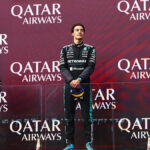
The Albert Park circuit, bathed in Australian autumn sun, witnessed more than just a Grand Prix on Sunday. It hosted a coronation and a declaration. As George Russell took the checkered flag, a symbolic torch was passed, not just between drivers, but between Formula 1 epochs. The sport’s bold new regulatory era has its first champion, and it is the Briton from Mercedes who seized the moment, transforming preseason promise into a dominant, statement victory in Melbourne.
A Duel for the Ages: The Early Lap Chess Match
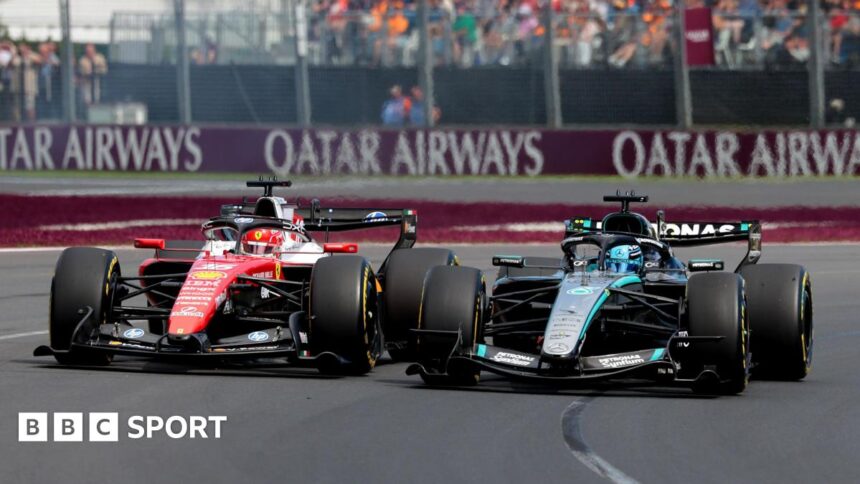
The opening act of the Australian Grand Prix was a masterpiece of modern racing. From lights out, George Russell and Charles Leclerc engaged in a spellbinding duel, their silver and scarlet machines dancing in close harmony. The lead changed hands four times in the first ten laps, a breathtaking display of raw pace and strategic positioning. Russell, leveraging a potent Mercedes launch, took the initial advantage, only for Leclerc’s Ferrari to strike back with a daring move around the outside. This was Formula 1 at its competitive best, a direct rebuttal to any fears that the new technical regulations would stifle wheel-to-wheel combat.
“It was incredibly intense,” Russell admitted post-race. “Charles was so clean, so fast. I knew we had the race pace, but I had to be patient. Those opening laps set the tone; it was about managing the tires and waiting for our moment.” That moment, however, arrived not from a bold overtake, but from the cold, calculated realm of strategy.
The Strategic Pivot: How the Race Was Won and Lost
As the first stint unfolded, the narrative shifted from the track to the pit wall. A minor incident for a backmarker triggered a Virtual Safety Car period, a fleeting opportunity that split the race in two. Mercedes, with clinical precision, called both Russell and teammate Kimi Antonelli in for a cheap pit stop. Ferrari, gambling on track position, left Leclerc out. It was a decision that unraveled their victory hopes.
When racing resumed, Leclerc on older tires was a sitting duck. Russell, with fresh rubber and a clear track, breezed past the Ferrari within a lap and simply drove off into the distance. The comfortable victory that followed was built on that single, pivotal call.
- Mercedes’ Agility: The Silver Arrows’ split-second decision showcased a strategic sharpness that defined their past dominance.
- Ferrari’s Gamble: The Scuderia’s risk to protect track position backfired, leaving Leclerc vulnerable and costing him crucial seconds.
- Race-Defining Moment: The VSC stop was the fulcrum upon which the entire Grand Prix turned, proving that in this new era, strategic wit is as crucial as horsepower.
From that point, Russell managed the gap with a maturity that belied the significance of the win, while Leclerc was left to battle a charging Kimi Antonelli in the second Mercedes.
Melbourne’s Midfield Drama and the Shifting Order
While the battle for the win was decided in the pits, the Australian Grand Prix served up a feast of intrigue throughout the order. The sight of Max Verstappen carving through the field from 20th on the grid after a qualifying disaster was a reminder of the reigning champion’s relentless brilliance. His late-race charge to sixth, culminating in a thrilling but ultimately fruitless assault on Lando Norris’s McLaren, was a standalone highlight.
More telling, however, was the strength of the Mercedes package. Rookie Kimi Antonelli secured a stunning maiden podium in P2, confirming the W15’s race-winning potential. Lewis Hamilton, in the sister Ferrari, could only manage fourth, a result that will raise eyebrows in Maranello. McLaren’s Norris held firm for fifth, but the team seemed a half-step behind the ultimate pace. The early 2025 pecking order appears to be:
- Mercedes: The team to beat, combining race pace and strategic mastery.
- Ferrari: Possesses raw speed but needs strategic consistency.
- McLaren: A solid points contender, but lacking the final edge for wins.
- Red Bull: Verstappen’s genius remains, but the car’s one-lay qualifying pace is a concern.
What Melbourne Tells Us About the Season Ahead
The dust has settled on Albert Park, but the implications of this race will reverberate for months. George Russell’s victory is a massive psychological blow to the field. He has stamped his authority as a championship-caliber driver leading a resurgent team. For Mercedes, this is a triumphant return to the top step, validating their off-season development philosophy.
However, the season is a marathon. Ferrari’s pace is undeniable, and with refinement, Leclerc will be a constant threat. Max Verstappen and Red Bull are wounded, not defeated; their development capacity is legendary. The key questions moving forward are:
- Can Mercedes maintain this technical advantage as the development war intensifies?
- Will Ferrari’s strategic operations match the excellence of their car design?
- Is the Verstappen/Red Bull combination ready to mount a true title defense, or is this the start of a power shift?
Melbourne provided answers, but also posed profound new questions. One thing is certain: the new era of Formula 1 has begun not with a whimper, but with a spectacular bang. The established order has been challenged, and a hungry new winner has emerged. The 2025 season is officially wide open.
As the teams pack for Japan, the narrative is set. George Russell and Mercedes have drawn first blood in what promises to be a fiercely contested championship. The duel in Melbourne was just the opening chapter. The fight for the title, and for the soul of this new regulatory cycle, has only just begun.
Source: Based on news from BBC Sport.