Shock in Seattle: Seahawks Put Up for Sale Just Days After Super Bowl 60 Triumph
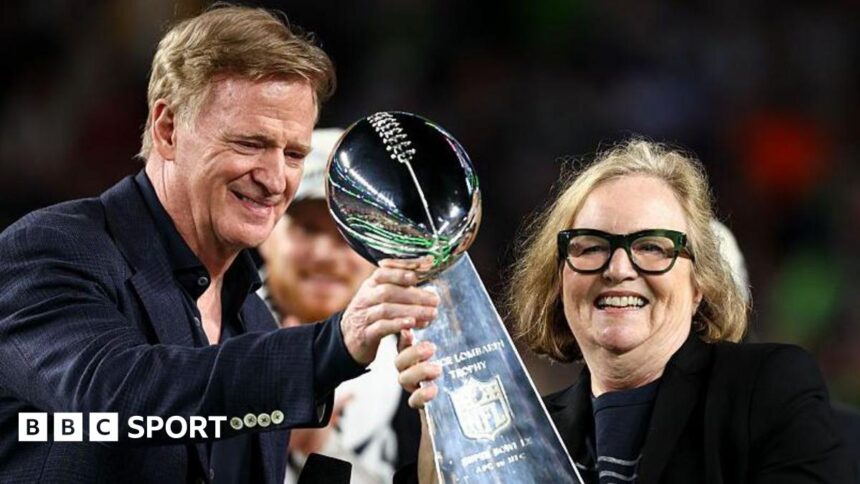
The confetti had barely been swept from the field. The Lombardi Trophy was still gleaming under fresh polish in the Virginia Mason Athletic Center. Yet, in a move that has sent seismic waves through the National Football League, the Seattle Seahawks have been officially placed on the sale block a mere ten days after claiming a dominant Super Bowl 60 victory over the New England Patriots. This stunning announcement, coming at the absolute pinnacle of the franchise’s success, marks the end of one of the most consequential ownership eras in sports and triggers a high-stakes, multibillion-dollar race for one of the league’s crown jewel franchises.
A Legacy Secured, Then a Sudden Goodbye
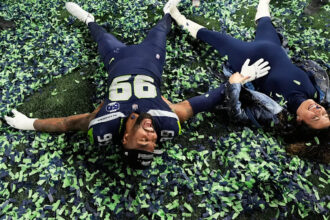
The timing is as jarring as it is historic. Reports had quietly surfaced in the days leading up to the Super Bowl that discussions about a potential sale were occurring within the trust overseeing the team. Those whispers were drowned out by the roar of the 12s as the Seahawks dismantled the Patriots, securing their second world championship. The victory was a testament to a culture and infrastructure built over decades, a foundation laid by the late Paul G. Allen.
Allen, the visionary co-founder of Microsoft with Bill Gates, purchased the Seahawks in 1997 for $194 million. His intervention was not merely a business transaction; it was a civic rescue mission, saving the franchise from a potential relocation to Southern California. Under his stewardship, the Seahawks transformed from an afterthought into a model organization:
- Football Operations: He hired front-office architects who built perennial contenders, culminating in the team’s first Super Bowl win in 2014.
- Stadium Revolution: He championed and largely funded the construction of what is now Lumen Field, creating one of the most iconic and intimidating home-field advantages in all of sports.
- Community Anchor: The team became the beating heart of the Pacific Northwest’s sports identity.
Following Allen’s passing in 2018, control of the team passed to his estate, managed by his sister, Jody Allen. The directive was clear: continue Paul’s legacy and, when appropriate, sell the assets to fund his extensive philanthropic endeavors. The Super Bowl 60 win appears to have been the perfect, storybook closing chapter the estate was waiting for.
Expert Analysis: Why Sell at the Peak?
From a purely financial perspective, the logic is impeccable. The Seahawks’ valuation has skyrocketed, with Forbes recently listing the franchise at over $5 billion. A sale coming off a dominant Super Bowl victory adds a “championship premium,” potentially driving the final price even higher. The NFL’s financial ecosystem—with its massive media rights deals, revenue-sharing model, and global growth trajectory—has never been stronger, making this a seller’s market of historic proportions.
However, sports are rarely just about balance sheets. The human and competitive element makes this timing fraught. “You are selling at the absolute zenith of the asset’s value, but also at the most disruptive possible moment for the football operation,” notes a veteran NFL front-office analyst. “The general manager and head coach just executed a perfect season. Now, they face the uncertainty of a new owner whose vision and patience may differ. Key contract extensions, draft strategies, and even coaching staff decisions can be put in a holding pattern during a protracted sale process.”
The immediate challenge for the current leadership is to maintain the championship focus amidst the ownership circus. Players will publicly state it’s a “distraction we can block out,” but the question of who will be signing the checks for future mega-deals is an unavoidable undercurrent.
The Buyer’s Gallery: Who Will Own the NFL’s Hottest Property?
The sale of the Seattle Seahawks will likely be the most coveted professional sports transaction of the decade. The pool of potential buyers with the capital and league approval is small but powerful. Expect the bidding to feature several key profiles:
- The Tech Billionaire: A return to the franchise’s roots is highly probable. Figures from the Seattle tech world or Silicon Valley, with net worths easily exceeding the team’s price tag, will be front-runners. Names like Microsoft CEO Satya Nadella or Amazon founder Jeff Bezos (who owns no NFL team despite Amazon’s deep ties to the league) will be subjects of intense speculation.
- The Private Equity Consortium: With NFL rules loosening to allow for institutional fund ownership, a deep-pocketed private equity group could pool resources to make a historic play.
- The Celebrity-Led Group: High-profile figures with Washington ties, such as former Seahawks quarterback Russell Wilson or music mogul Macklemore, could join as minority partners in a larger bid, adding local flavor and fan excitement.
The NFL’s vetting process is rigorous, prioritizing owners with the liquidity to operate without debt, a commitment to keeping the team in its current market, and the stability to be a long-term steward. The league approval process will be the final, critical hurdle for any winning bidder.
Predictions for the Franchise’s Future Trajectory
While the sale introduces uncertainty, the Seahawks’ short-term future is remarkably stable. The team is young, talented, and coached by one of the best in the business. The championship window is wide open. However, the long-term arc depends heavily on the new owner’s philosophy.
We predict three potential paths:
- The Steward Model (Most Likely): A new owner, perhaps with local ties, buys the team and largely empowers the existing football brain trust to continue its work. They see the value in the culture built since the Paul Allen era and choose evolution over revolution. The team remains a consistent NFC powerhouse.
- The Hands-On Visionary: A new owner with strong football opinions may seek to put their own stamp on the organization more quickly. This could lead to front-office or coaching changes if early results disappoint, potentially destabilizing a winning formula.
- The Global Brand Builder: An owner focused on maximizing the Seahawks’ international appeal, particularly in key growth markets like Germany and the UK, could push for more overseas games and marketing initiatives, further elevating the franchise’s profile beyond the field.
Regardless of the path, one near-certainty is that the team will remain in Seattle. The lease at Lumen Field is ironclad, and the political and fan backlash to any relocation talk would be catastrophic. The 12s are not losing their team; they are gaining a new chapter.
A Bittersweet Championship Celebration
The Seattle Seahawks’ Super Bowl 60 victory will forever be bookended by profound transition. It stands as the ultimate tribute to the legacy of Paul G. Allen, a final, glorious validation of his ownership. Simultaneously, it serves as the dazzling showcase that primes the pump for a record-breaking sale. For the legion of 12s, the emotions are mixed: the unbridled joy of a championship now tinged with the anxiety of the unknown.
The coming months will be dominated by financial headlines, bidding wars, and league meetings. But when the dust settles and a new owner is ratified, the focus will return where it belongs—to the field. The Seattle Seahawks are not just a franchise for sale; they are a reigning champion with a dynasty in its sights. The next owner won’t just be purchasing a football team; they will be inheriting a kingdom at its peak, with the relentless expectation to keep it there. The victory parade is over. The business of the future has begun.
Source: Based on news from BBC Sport.