Six Nations 2024: Six Uncapped Talents Poised for Breakout Stardom
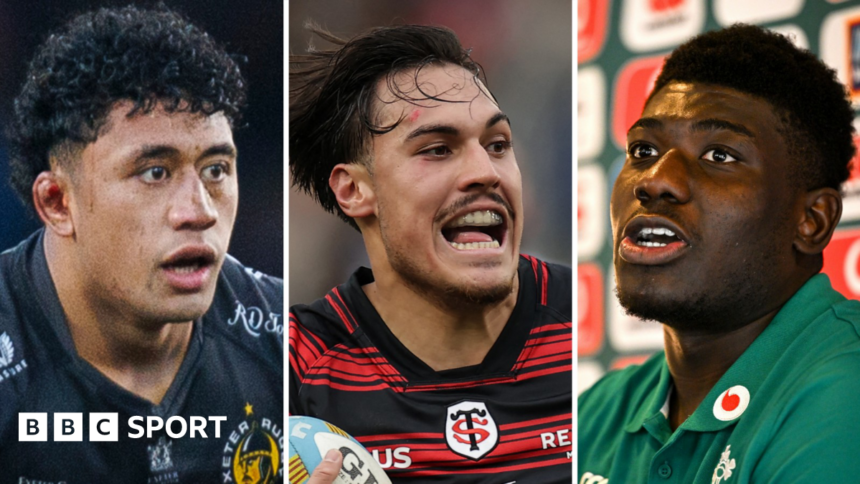
The Six Nations Championship is more than a battle for trophies and Triple Crowns; it is rugby’s grandest stage for anointment. Every year, fresh faces emerge from the shadows of established stars to seize the narrative, transforming potential into pedigree over five relentless weekends. As the 2024 tournament dawns, a new generation stands in the wings, hungry for their moment. From thunderous forwards to livewire backs, these six uncapped players—one from each nation—carry the hopes of their countries and the potential to define the championship’s future. Here are the names you need to know.
The Forge of Youth: Power in the Pack
While fly-halves often steal the headlines, the Six Nations is traditionally won in the furnace of the forward battle. This year, several nations are turning to prodigiously powerful young talents to add dynamism and sheer physicality to their engine rooms. These players aren’t just prospects; they are impact weapons ready to be deployed.
Edwin Edogbo (Ireland, Lock/Blindside Flanker): At just 21, the Cork-born Munster man is a force of nature. Standing at 6’6” and weighing over 120kg, Edogbo possesses a rare blend of raw power and surprising athleticism. His ball-carrying is destructive, often requiring multiple defenders to haul him down, and he has developed into a dominant presence at lineout time. With Ireland managing the workload of icons like James Ryan and Tadhg Beirne, Edogbo’s explosiveness off the bench could be a secret weapon for Andy Farrell. He embodies the modern “hybrid” forward, capable of covering both the second and back rows, offering crucial tactical flexibility.
Kalvin Gourgues (France, Flanker): In the post-Charles Ollivon era, France is meticulously rebuilding its back-row riches. Enter Kalvin Gourgues. The 22-year-old from La Rochelle has been a standout in the Top 14, showcasing a skillset that seems tailor-made for Fabien Galthié’s high-tempo system. His point of difference is his breakdown prowess and link play; he is a jackal threat over the ball and possesses the handling skills of a centre. With France’s pack in a slight transitional phase, Gourgues’s energy and footballing intelligence could see him fast-tracked into the blue jersey sooner rather than later.
Greg Fisilau (England, Number 8): The Exeter Chief has been knocking loudly on Steve Borthwick’s door. Having been involved in several England camps without yet winning a senior cap, Fisilau’s time feels imminent. A product of the same prolific Exeter academy that produced Sam Simmonds, Fisilau is a classic, hard-carrying No. 8 with a relentless work rate. His performances in a struggling Chiefs side have been consistently outstanding, highlighting his ability to make yards in heavy traffic. With Billy Vunipola now out of the picture, the England back row is seeking a new identity. Fisilau’s powerful, direct style offers a compelling and youthful alternative to the incumbents.
The Creative Sparks: X-Factor in the Backline
If the forwards lay the platform, it is the creative mavericks behind who ignite the spectacle. This year’s tournament features several young backs whose audacity and skill could unlock the most stubborn defences. These players represent the daring future of northern hemisphere rugby.
Cameron Winnett (Wales, Fullback): Thrust into the spotlight due to a crippling injury list in Welsh rugby, 21-year-old Cameron Winnett is poised for a remarkable debut. Having started the season as Cardiff’s third-choice fullback, his poised performances, safe under the high ball and incisive in attack, have seen him rocket up the pecking order. Warren Gatland has never been afraid to blood youth, and Winnett’s composure under pressure and elegant running lines have clearly impressed. In a Welsh team in transition, he could become an instant fixture at the back, offering a calm head amidst the Six Nations storm.
Ross Vintcent (Italy, Number 8/Flanker): Born in Johannesburg but Italian-qualified, the Exeter back-rower is a slightly different case—uncapped in the Six Nations but with a single Test appearance from last summer. However, at 21, he remains a thrilling new face for the tournament. Vintcent is a modern, all-court flanker: rapid, skilled, and with a nose for the try-line, as evidenced by his prolific scoring rate in the Premiership. For an Italian pack craving gain-line success and support lines, Vintcent’s athleticism and engine could be transformative. He is precisely the kind of player who can help Italy turn promising phases into points.
Arron Reed (Scotland, Wing): The Sale Sharks flyer, eligible through his Glaswegian mother, has been one of the Premiership’s most consistent and lethal finishers. With blistering pace and a knack for being in the right place, Reed has forced his way into Gregor Townsend’s thinking. Scotland boasts established stars like Duhan van der Merwe, but Reed offers a slightly different profile—a pure, clinical finisher with proven try-scoring form. In a squad that loves to play with width and tempo, Reed’s injection of raw speed could provide a crucial new dimension, especially in the latter stages of tight games.
Predictions: Who Will Seize Their Moment?
Identifying talent is one thing; predicting who will thrive under the unique pressure of the Six Nations is another. The tournament is a brutal examination of both skill and temperament.
- Most Likely to Become an Instant Starter: Cameron Winnett. Necessity, as much as merit, will play a role. With Liam Williams absent and Gatland favouring form, Winnett’s opportunity is clear and present. His skill set suits the structured game Wales will likely play.
- The Impact Substitute: Edwin Edogbo. Ireland’s system is well-established, allowing new players to be integrated carefully. Edogbo’s power could be devastating against tiring defences in the final quarter, making him a perfect “finisher” in the mold of a rugby equivalent of a closing pitcher.
- The Potential Tournament Breakout: Greg Fisilau. If he gets his chance, the England No. 8 shirt is there to be claimed for the next decade. Fisilau’s style is perfectly suited to the attritional battles of the Six Nations, and his involvement in previous camps means he is already acclimatised to the England setup.
The wildcard is Kalvin Gourgues. French selectors are notoriously loyal, but Gourgues’s all-action style could prove irresistible if Les Bleus seek to inject fresh energy into their flanks. Meanwhile, Arron Reed might need an injury to get a starting shot, but his pace could be a game-changer off the bench.
The Stage Awaits: A Championship of Renewal
The enduring magic of the Six Nations lies in its cyclical nature—a constant blend of legacy and launch. As legendary figures inevitably step aside, the tournament’s relentless schedule demands new heroes. For Greg Fisilau, Kalvin Gourgues, Edwin Edogbo, Cameron Winnett, Ross Vintcent, and Arron Reed, the next six weeks represent a career-defining window.
Their journeys from promising club players to potential Test match winners will be a compelling subplot to the main title race. Some will debut in the cauldron of a packed Murrayfield or the Stade de France; others may earn their stripes from the bench in a tight contest. But each carries the potential to deliver a moment of individual brilliance that can turn a game and capture the imagination of a nation.
This is the essence of the Six Nations: a platform where talent meets tradition, and where tomorrow’s stars are born today. Watch closely, for the future of European rugby is about to announce itself.
How to Follow the Six Nations 2024: Watch live on BBC TV and ITV. Listen to every match on BBC Radio 5 Live, Sports Extra and BBC Sounds. Follow live text commentary and watch highlights on the BBC Sport website and app.
Source: Based on news from BBC Sport.