Political Turmoil Scuttles Dream Finalissima Clash Between Spain and Argentina
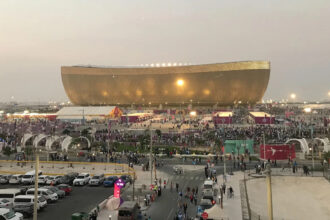
In a stunning development that underscores how geopolitical strife can shatter even the grandest of sporting spectacles, the highly anticipated Finalissima showdown between world champions Argentina and European champions Spain has been officially cancelled. The marquee match, a revival of the classic “Champion of Champions” concept pitting continental titleholders against each other, was slated for March 26th in Qatar. However, the ongoing and volatile conflict in the Middle East has forced organizers to pull the plug, leaving a gaping hole in the football calendar and fans worldwide bitterly disappointed. This cancellation is more than a simple fixture loss; it’s a poignant symbol of a world where the beautiful game, for all its power, remains vulnerable to the harsh realities of international discord.
A Collision of Champions Derailed by Global Unrest
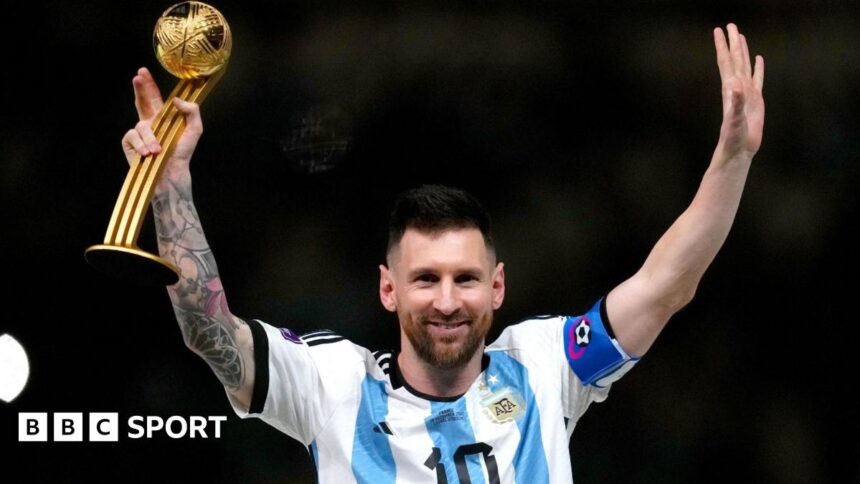
The premise was footballing perfection. On one side, Lionel Messi’s Argentina, riding the ultimate high after their cathartic 2022 World Cup triumph in Qatar, a victory that cemented legacies and united a nation. On the other, a resurgent Spain, crowned UEFA Nations League champions in 2023, showcasing a thrilling new generation led by talents like Gavi and Pedri. The Finalissima in Qatar was meant to be a celebratory curtain call in the very nation where La Albiceleste’s legend was forged, a symbolic passing of the torch or a statement of continued dominance.
UEFA, in its statement, pointed unequivocally to the “current political situation in the region” as the cause. With the Israel-Hamas war raging and regional tensions dangerously high, Qatar, while not directly involved, sits in a complex geopolitical neighborhood. Staging a global festival of football, even a single match, was deemed untenable and potentially unsafe. The decision, while deeply regrettable from a sporting perspective, highlights the immense logistical and security challenges involved in modern international sports administration. The beautiful game, it seems, cannot outrun the world’s conflicts.
Failed Negotiations and a Stubborn Standoff
Behind the scenes, frantic efforts were made to salvage the event. UEFA revealed that alternative proposals were swiftly tabled to keep the Finalissima alive. The most prominent plan involved moving the match to the iconic Real Madrid’s Bernabeu stadium in Madrid. This logical solution would have offered a world-class, neutral venue with deep historical significance for both nations. A more elaborate proposal for a two-legged home-and-away series, splitting the spectacle between Madrid and Buenos Aires, was also presented. This would have created a fortnight of global football frenzy.
However, in a twist that adds a layer of sporting intrigue to the political drama, Argentina rejected all alternative proposals. The Argentine Football Association (AFA) stood firm. Their position, while not explicitly detailed by UEFA, suggests a combination of factors:
- Contractual and Financial Commitments: Original agreements with Qatari organizers likely involved significant guarantees that could not be matched or restructured on short notice.
- Logistical Hurdles: Reorganizing travel, security, and commercial arrangements for an entire national team and delegation within months is a monumental task.
- Symbolic Stance: There may have been an unwillingness to cede the symbolic “neutral ground” of Qatar, the site of their greatest triumph, for what could be perceived as a de facto away game in Spain.
This rejection left UEFA and CONMEBOL with no viable path forward, culminating in the official cancellation.
Expert Analysis: The Ripple Effects of a Cancelled Classic
The fallout from this cancellation extends far beyond disappointed fans. From a sporting perspective, both teams lose a critical benchmark. For Argentina, it was a chance to test their World Cup-winning mettle against Europe’s best in a high-stakes, one-off final—a format that truly reveals champion mentality. For Spain’s young squad, it was a priceless opportunity to measure themselves against the world’s best and gain experience in the kind of pressure-cooker environment usually reserved for tournament knockout stages.
Financially, the blow is significant. Broadcasters, sponsors, and host nations invested substantial sums. The cancelled Spain-Argentina match represents a major loss in revenue for all governing bodies involved. Furthermore, Qatar misses a chance to reaffirm its capability as a host for elite, neutral-venue events post-World Cup, an important part of its long-term sports strategy.
Most intriguingly, the cancellation deprives us of a fascinating tactical duel. Would Lionel Scaloni’s pragmatic and resilient Argentine system have overcome Luis de la Fuente’s possession-intensive, high-press Spanish machine? We also miss the compelling human narratives: Messi facing a Spanish core from his club league, the emotional return of Argentina’s heroes to their “happy place” in Doha, and the clash of two distinct footballing philosophies at their peak.
What’s Next for the Champions and the Finalissima Concept?
The immediate future for both teams involves navigating the international calendar without this centerpiece. Attention will now turn to upcoming Copa America and UEFA Euro 2024 preparations. However, the long-term viability of the Finalissima itself is now in question. If a match between two such glamorous teams can be felled so completely by external events, what does that say about the stability of such inter-confederation events?
Predictions for the future of the format are mixed:
- The Concept is Shelved: Governing bodies, burned by this experience, may deem the event too politically and logistically risky, reverting to standalone friendly matches.
- A Revised Model Emerges: Future editions could be planned years in advance with a permanent, politically stable host venue, like Wembley or a rotating European capital, to insulate it from short-term crises.
- Increased Flexibility: Contracts may include more robust contingency plans, with pre-agreed alternative venues to be activated immediately in case of force majeure.
For the players and fans, the dream of seeing this specific clash in this specific context is gone. The hope is that the spirit of competition finds another way, perhaps in a future World Cup or a revived friendly. But the unique magic of a one-off, post-tournament crown for the “best of the best” has been, for now, extinguished.
Conclusion: A Stark Reminder of Football’s Place in the World
The cancelled Finalissima between Spain and Argentina will stand as a significant “what if” in modern football history. It was a victim not of poor planning or lack of interest, but of the grim and pervasive shadow of war. This episode serves as a stark reminder that for all its global influence and economic might, football does not exist in a vacuum. It remains subject to the tides of geopolitics, a reality that organizers and fans must increasingly acknowledge.
While the political situation in the Middle East robbed us of a sporting masterpiece, it also framed football in its proper context: a glorious escape, but not an imperative. The beautiful game will go on, and both Spain and Argentina will continue their quests for further glory. But the memory of this lost clash—Messi’s Argentina versus Spain’s new wave, in the desert where legends were made—will linger as a poignant testament to a dream fixture that world events conspired to deny.
Source: Based on news from BBC Sport.