Stellar in Defeat: England’s Parisian Thriller Deepens the Six Nations Riddle
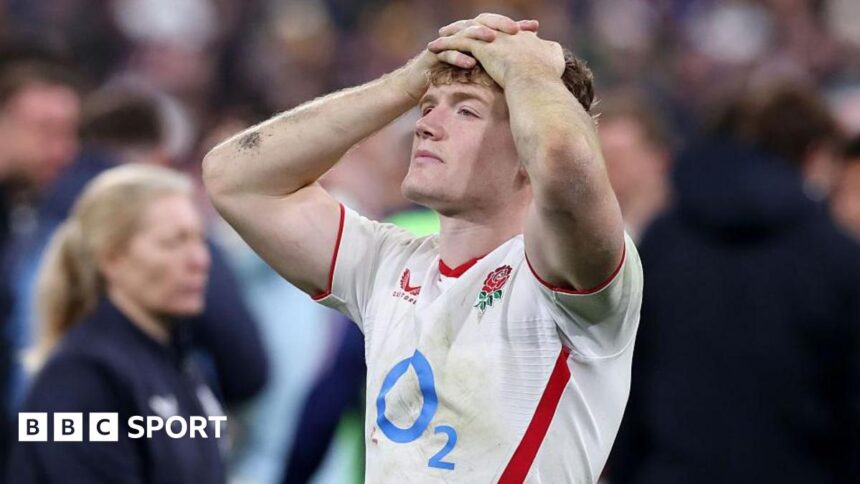
The air in Saint-Denis crackled with a peculiar energy. Two hours before the final whistle of a championship, with the title already beyond them, England’s travelling support buzzed not with hope, but with a profound sense of the unresolved. Stopped by the BBC, one fan distilled an entire Six Nations campaign into a single, perfect word: “Confusing.” Eighty minutes of breathtaking, brutal, and bewildering rugby later, as Thomas Ramos’s last-gasp penalty sailed through the Parisian night to seal a 48-46 victory for France, that diagnosis was not just confirmed—it was etched into the tournament’s folklore. In a staggering high-scoring thriller, England’s ultimate defeat was paradoxically their most stellar showing, a performance that intensifies the intrigue around Steve Borthwick’s project more than any comfortable win ever could.
A Jekyll and Hyde Campaign Culminates in Chaos
To understand the disorienting brilliance of this finale, one must revisit England’s turbulent journey. This was a campaign of stark contradictions. It began with a stodgy, error-strewn win over Italy, was punctuated by a historic defeat to Scotland at Murrayfield, and then transformed with a muscular, tactical masterclass to derail Ireland’s Grand Slam bid. Were they the pragmatic, kick-heavy outfit of the first two rounds, or the suddenly potent, ambitious side that emerged against Ireland? The England identity crisis was the tournament’s lingering subplot. In Paris, they delivered both versions simultaneously, creating a schizophrenic classic. They conceded five tries, a damning stat for their usually robust defence, yet scored six of their own, a feat unimaginable just weeks prior. They were both architects of their own downfall and pioneers of a thrilling new blueprint. This wasn’t just a game of two halves; it was a game of two Englands, constantly at war with each other and the French.
Deconstructing the Parisian Paradox: Brilliance Amid the Bedlam
Analysing this match is to wade into glorious chaos. The scoreline, a record aggregate for a Six Nations match, tells a story of defensive frailty but undersells the offensive revolution on display. Let’s break down the key elements that made this defeat so peculiarly encouraging:
- The Marcus Smith Catalyst: Starting at fullback, Smith was a constant source of creative attacking impetus. His chip for Tommy Freeman’s try was genius, his running lines unpredictable. He embodied the new, risky England that fans have craved.
- Set-Piece Dominance: Amid the open-field frenzy, England’s pack delivered a monumental performance. The scrum was a weapon, and the lineout functioned smoothly, providing the platform from which the chaos could be launched.
- Resilience in the Crucible: Each time France surged ahead, England clawed back. Being down by 16 points in the first half and again in the second would have killed previous iterations. This team, fuelled by the likes of Ollie Lawrence and Ben Earl, showed staggering mental fortitude.
- The Fatal Flaw: Yet, the defensive discipline crumbled at critical moments. Ill-timed penalties, missed tackles in the wide channels, and the final, fateful infringement at the scrum handed Ramos the chance to win it. The highest of ceilings remains compromised by a frustratingly low floor.
This was the confusing prophecy fulfilled. How can a team be so physically dominant and so tactically naive in the same passage of play? How can they look both world-beaters and novices within ten minutes? The performance was a highlight reel of their tournament’s potential and its persistent problems.
The Road Ahead: What This Means for England and Borthwick
This result leaves Steve Borthwick in a unique position. Defeat is defeat, but the manner of this one shifts the narrative. The pressure for a radical stylistic overhaul has been answered, yet the core requirement of Test-match solidity has been exposed. The challenge now is synthesis. The Borthwick evolution must accelerate, merging the traditional set-piece strength and grit with the newfound attacking verve. Selections will be fascinating: does Smith’s audacity earn him the 10 shirt? How does a fit Henry Slade integrate into this faster-paced system? The summer tour to New Zealand, a brutal two-Test assignment, looms as the ultimate litmus test. Can this chaotic energy be harnessed and focused against the All Blacks, or will it disintegrate under pressure?
For France, the title is a deserved reward for consistency, but even in celebration, they will know they were pushed to the absolute brink by an opponent supposedly in transition. The Six Nations landscape for 2025 looks dramatically different after this game. Ireland remain the benchmark, but an England side that can score 46 points in Paris is a terrifying prospect if they can ever solve their defensive riddle.
Conclusion: A Confusing, Compelling Foundation
As the Stade de France emptied, the word “confusing” no longer felt like a critique, but a diagnosis of thrilling potential. England did not just lose a match in Paris; they shattered their own stereotype. In a devastating loss, they found a compelling new identity—flawed, frantic, but ferociously alive. The ultimate defeat in this high-scoring thriller provided more answers about England’s future than any of their victories this spring. It proved they have the courage, the talent, and the heart to trade blows with the best. The intrigue now is whether Steve Borthwick can forge the discipline to go with it. The riddle of England remains, but after a night of glorious chaos in Paris, solving it has become the most tantalizing prospect in world rugby.
Source: Based on news from BBC Sport.