Chelsea Urge Caution After Naples ‘Incident’: A Dark Shadow Over Champions League Night
The Champions League, Europe’s premier club competition, is a festival of football. It promises nights of high drama, technical brilliance, and a shared passion that transcends borders. Yet, for Chelsea supporters traveling to Naples for Wednesday’s clash with SSC Napoli, the pre-match atmosphere has been chillingly defined not by tactical anticipation, but by a stark warning from their own club. Following an “incident” that left two fans hospitalized, Chelsea’s urgent advisory to “exercise extreme caution” casts a long, familiar shadow over one of football’s most volatile arenas, reigniting concerns about safety and the dark, persistent culture of ultra violence.
A City of Passion and Peril: The Naples Football Crucible
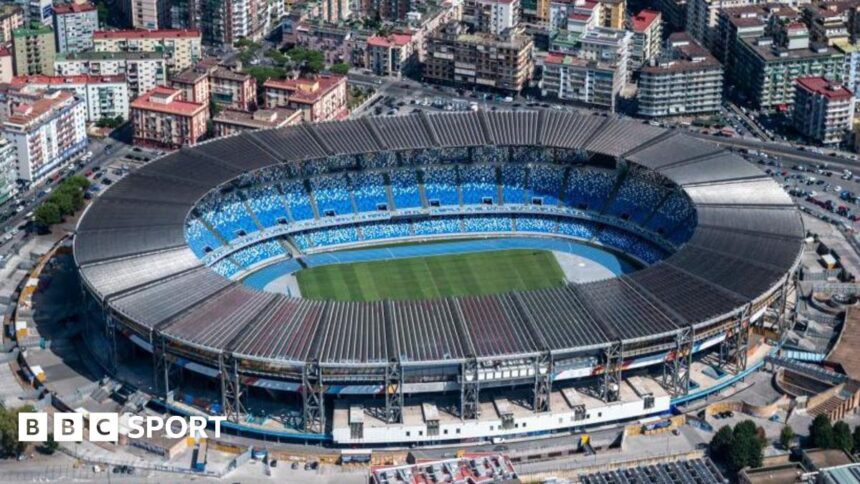
To understand the gravity of Chelsea’s statement, one must first comprehend the unique, intense environment of football in Naples. The Stadio Diego Armando Maradona is a cauldron of emotion, a place where the game is woven into the city’s very fabric. This passion, however, has a notorious flip side. Napoli’s home fixtures are routinely classified as high-risk events, ranking among the most highly policed in Europe. A heavy, visible security presence is the norm, not the exception.
The city has a long history of cases where away supporters being targeted is a documented and recurring problem. Local Napoli ultras groups exert significant influence and have been implicated in numerous attacks on visiting fans over decades. These are not spontaneous clashes but often pre-meditated acts of intimidation. The “incident” referenced by Chelsea, occurring on the eve of the match, fits a distressing pattern. While details remain scarce, the fact that it resulted in two fans requiring hospital treatment for non-life-threatening injuries confirms the very real physical danger that can exist outside the stadium perimeter.
Decoding the Warning: Chelsea’s Unusual Step and Fan Safety Protocols
Chelsea’s public statement is notable for its directness. Clubs often issue standard travel advice, but the language used here—”exercise extreme caution”—is escalated. It signals that the threat level is perceived as serious and imminent. The club is effectively telling its supporters that the usual matchday vigilance is insufficient.
This advisory is the culmination of specific, distributed guidance. Typically, such pre-match briefings for away fans include:
- Strictly designated safe routes to and from the stadium, often under police escort.
- Warnings to avoid displaying club colors in certain areas of the city.
- Recommendations to use official club travel where possible.
- Identification of “safe” fan zones and meeting points.
- Clear instructions on which public transport to use or avoid.
The incident on Tuesday evening, likely occurring outside these controlled parameters, underscores the challenge. It highlights the gap between organized security measures and the unpredictable nature of targeted attacks in an urban setting. For the traveling Blues, the message is clear: this is not a typical European away day.
Broader Implications: UEFA, Policing, and the Ultra Question
This latest episode in Naples forces uncomfortable questions upon European football’s governing body, UEFA. While they have protocols and can impose stadium closures or fines for incidents inside grounds, their jurisdiction over city-wide violence is limited. The pattern in Naples suggests that reactive punishments have done little to deter the core issue.
The situation presents a complex dilemma for Italian authorities. Heavy-handed policing can sometimes inflame tensions, yet a lax approach leaves fans vulnerable. The goal is to facilitate a secure environment for legitimate supporters without turning the city into a fortress. The repeated failure to prevent these pre- and post-match incidents, however, points to a systemic problem that goes beyond matchday logistics. It speaks to a culture of impunity among certain factions and a challenge in intelligence gathering and preventive action.
For Chelsea fans travelling to Naples, the calculation has changed. The focus shifts from purely footballing concerns to personal safety management. The vibrant pizzerias and historic centro storico become potential risk zones. The camaraderie of an away trip is tempered by a necessary wariness.
Matchday and Beyond: A Cloud Over the Beautiful Game
As the teams prepare to walk out under the Champions League anthem, the on-field narrative will be compelling. Can Chelsea overcome a tactical powerhouse like Napoli? Will the stars shine on the continental stage? Yet, for many, the dominant storyline has already been written in a backstreet the night before.
The hope is that the match itself passes without further disorder, that the football reclaims the headlines. Napoli’s magnificent support will create a breathtaking atmosphere, and Chelsea’s traveling faithful will sing their hearts out. But the pre-existing warning and the two fans in hospital will linger as a sobering subplot.
In the long term, solutions are elusive but necessary. They require:
- Sustained collaboration between clubs, local police forces, and supporter groups to identify and isolate violent elements.
- Proactive UEFA involvement that extends beyond stadium borders for chronically problematic venues.
- A cultural shift within the game itself, where such intimidation is universally condemned, not tacitly accepted as “part of the atmosphere.”
The Champions League sells a dream of unity and elite competition. Incidents like the one in Naples expose the fragile veneer of that dream. Chelsea’s urgent caution is not just a piece of PR; it is a damning indictment of a failure to protect the sport’s most important asset: its supporters. The beautiful game, on nights like these, shows a profoundly ugly scar. The final whistle on the pitch will end the game, but the conversation about safety, responsibility, and the soul of football away from the cameras must continue long after.
Source: Based on news from BBC Sport.