UEFA Points Finger at AFA as La Finalissima Cancellation Confirms High-Stakes Standoff
The dream rematch is off. In a stunning announcement that has sent shockwaves through international football, UEFA has confirmed the cancellation of the 2026 La Finalissima, the prestigious intercontinental showdown between European champions Spain and South American champions Argentina. The statement, however, carried a pointed accusation, laying the blame squarely at the feet of the Argentinian Football Association (AFA) for rejecting viable alternatives, most notably a proposed move to Real Madrid’s Santiago Bernabéu. What was meant to be a celebration of continental supremacy has instead devolved into a diplomatic incident, exposing the fragile politics and immense logistical pressures of organizing elite football in a volatile world.
A Domino Effect of Geopolitics and Stubborn Negotiations
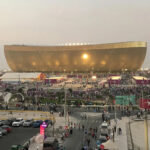
The cancellation story begins far from the pitch, in the tense geopolitical landscape of the Middle East. The match, originally slated for Doha, Qatar, on March 27, became a casualty of regional instability. With safety and security paramount, the Qatari organizers and UEFA jointly agreed the fixture could not proceed as planned. This triggered a frantic, behind-the-scenes scramble to salvage a marquee event featuring the reigning World Cup and Copa América champions against the freshly crowned European kings.
UEFA’s statement is unsparing in its detail of the rescue attempt. The governing body presented what it deemed a “world class” solution: relocating the match to the iconic Santiago Bernabéu in Madrid on the same date. The proposal included a 50:50 split of supporters, ensuring a vibrant, neutral-ground atmosphere befitting a true final. From UEFA’s perspective, this was a lifeline—a logistically challenging but eminently feasible option to preserve the fixture’s integrity and commercial value.
The AFA’s refusal to accept this proposal is the central point of contention. While UEFA’s communiqué expresses “understandable difficulties,” its narrative is clear: every alternative presented was “ultimately proved unacceptable” to the Argentine delegation. This public finger-pointing is rare in the carefully choreographed world of football administration and suggests a significant breakdown in trust and priorities between the two parties.
Unpacking the AFA’s Likely Motivations: More Than Just Venue
To understand the AFA’s hardline stance, one must look beyond the surface of a simple venue change. Experts suggest a confluence of factors likely drove their decision, turning the Bernabéu proposal from a solution into a non-starter.
- Competitive Disadvantage: Playing Spain, effectively on their home soil, even at a neutral club stadium, would have been seen as handing a massive advantage to La Roja. The psychological edge of a home crowd, however split, is immense in elite sport.
- Logistical and Financial Burden: With less than a month’s notice, relocating an entire national team squad, staff, and thousands of traveling Argentine fans would have been a monumental and costly undertaking. Ticket reimbursements, re-booked flights, and altered accommodations represent a financial black hole.
- Player Welfare and Schedule: The match falls in a tightly packed international window. Adding transatlantic travel complexities to an already short preparation period could have been deemed an unacceptable risk to player fitness by the AFA, who prioritize their Copa América defense this summer.
- Precedent and Principle: Accepting a last-minute change to the European champion’s backyard could be viewed as setting a poor precedent for future editions, undermining the event’s status as a truly neutral contest between confederations.
“This isn’t just about a stadium,” notes veteran football analyst Clara Mendez. “It’s about leverage, preparation, and protecting assets. The AFA holds the golden ticket with Lionel Messi and the world champion squad. They likely felt the terms were skewed against them and decided the prestige of the match didn’t outweigh the potential costs—sporting and economic.”
The Ripple Effects: Trust, Tradition, and the Future of La Finalissima
The cancellation’s immediate fallout is clear: disappointed fans, lost revenue for broadcasters and sponsors, and a missed opportunity for a glorious spectacle. But the longer-term implications for the UEFA-CONMEBOL partnership could be more damaging.
La Finalissima was revived in 2022 as a cornerstone of a renewed collaboration between European and South American football’s governing bodies, a partnership that also includes the Finalissima women’s match and a joint bid for the 2030 World Cup. This very public dispute exposes the fragility of that alliance. When push came to shove, confederation interests diverged sharply.
The future format of the match is now in doubt. Will it revert to a pure bid process for neutral venues years in advance? Will there be contractual clauses mandating acceptance of alternative venues in case of force majeure? The trust between UEFA and CONMEBOL has undoubtedly been bruised, requiring careful diplomacy to repair. Furthermore, the cancellation sets an unsettling precedent. In an era where global events can be disrupted by unforeseen crises, football’s ability to pivot gracefully has been called into question.
Predictions and Pathways Forward
Looking ahead, the path is murky, but several outcomes seem probable.
First, the 2026 La Finalissima is unlikely to be rescheduled. The congested football calendar offers no viable window before the 2026 World Cup, and the momentum for this specific edition is lost. The focus will shift to planning the 2028 edition, presumably with far more robust contingency plans.
Second, the relationship between UEFA and the AFA/CONMEBOL will enter a cooling-off period, but the strategic incentives for cooperation remain too strong to fracture completely. The 2030 World Cup bid is a multi-billion-dollar project that depends on unity.
Finally, this episode may accelerate a trend toward more rigid, contractually-bound agreements for these showcase events. Football authorities may be forced to choose between flexibility (which leads to cancellations) and inflexibility (which could force matches under sub-optimal conditions). The sweet spot remains elusive.
Conclusion: A Victory for No One
In the end, the cancellation of the 2026 La Finalissima is a sobering lesson in the collision of sport with the real world. Geopolitical strife triggered the crisis, but a failure of diplomacy and compromise within football’s own halls sealed the fixture’s fate. UEFA’s decision to publicly identify the AFA’s intransigence is a mark of its frustration, but it also reveals an organization unable to secure consensus from its most important partner for this event.
There are no winners here. Fans are deprived of a classic encounter, players miss a chance for another trophy, and the beautiful game’s image takes a hit from an avoidable administrative failure. The match was conceived as a celebration of football’s best. Its cancellation, shrouded in blame and bruised egos, is a stark reminder that even at the pinnacle of sport, politics—both global and institutional—remains the most formidable opponent of all.
Source: Based on news from Yahoo Sports.