The Anatomy of a Crisis: Unpacking the Blame Game at Tottenham Hotspur
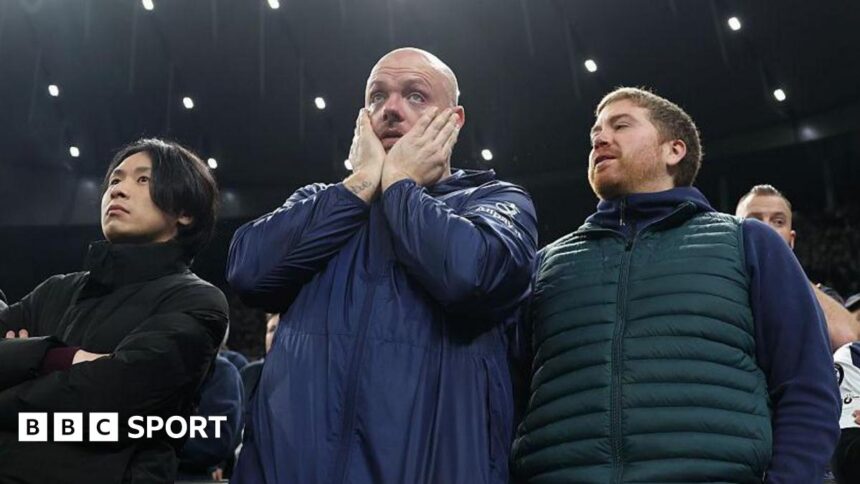
The final whistle was a formality. Long before it blew in Tottenham Hotspur’s 2-0 home defeat to Crystal Palace on Thursday night, the exodus had begun. A slow, solemn stream of thousands filing out of the Tottenham Hotspur Stadium, their backs turned on a performance that symbolized a club in freefall. The stands, a monument to modern ambition, echoed with a silence more damning than any boo. Spurs, last season’s Europa League winners, now hover one precarious point above the Premier League relegation zone. The appointment of interim manager Igor Tudor, hailed as an “impact coach,” has yielded zero impact and three consecutive losses. The question is no longer about a bad run of form; it’s a systemic collapse. So, as toxicity and farce become the defining themes of this campaign, who truly bears the blame for this staggering demise?
A Leadership Vacuum: The Boardroom’s Fatal Miscalculation
Any forensic examination of Spurs’ crisis must begin at the top. The club’s hierarchy, led by Chairman Daniel Levy, has presided over a period of profound strategic confusion. The decision to part ways with Thomas Frank, while the team was underperforming, was understandable. However, the succession planning—or glaring lack thereof—has been catastrophic.
The pivot to Igor Tudor reeked of a panicked, data-driven gamble. Tudor’s reputation for intense, disciplined football was seen as an antidote to perceived softness. Yet, this ignored the fundamental need for a cultural fit and a clear, long-term vision. The “impact coach” label now hangs like an albatross; the impact has been exclusively negative. This episode highlights a recurring boardroom failure: a reactive, short-termist approach that prioritizes quick fixes over sustainable project building. The lack of a coherent football identity from the top down has trickled into every facet of the club, creating an environment where instability is the only constant.
Key boardroom failures include:
- Visionless Planning: Shifting from project managers to impact coaches with no connective philosophy.
- Reactive Decision-Making: Sacking managers without a clear, superior alternative in place.
- Cultural Disconnect: Appointing a manager whose style appears at odds with the squad’s core attributes.
- Erosion of Trust: Creating a chasm between the board’s ambitions and the team’s reality, alienating the fanbase.
The Tudor Mismatch: An Interim Solution Creating Permanent Problems
Igor Tudor is not solely to blame, but his tenure has acted as an accelerant to the crisis. Tasked with steadying the ship, he has seemingly drilled holes in its hull. His tactical approach, which demands extreme physical intensity and rigid positional discipline, has looked alien to a squad assembled for a different kind of football. The result is a team caught in a paralyzing no-man’s-land: unsure of when to press, terrified of possession, and devoid of any creative spark.
The psychological aspect is more damaging. An interim coach’s primary job is to provide clarity and a short-term boost. Tudor, by all visible accounts, has provided neither. Players appear confused and burdened, a stark contrast to the unified, confident unit that lifted a trophy just months ago. When an “impact” appointment yields three straight defeats—including a lifeless loss at home to a mid-table Palace—it squarely raises questions about the message, the methods, and the man. His future is already in doubt, a telling indictment of a appointment that has failed on every conceivable level.
A Squad Lacking Spine: Leadership and Application on the Pitch
While managers and executives are easy targets, the players must accept their share of responsibility. This is largely the same group that achieved European success last season. Yet, their application has frequently been found wanting. The team’s vulnerability under pressure is staggering; a single conceded goal often leads to a collective collapse of confidence and structure.
Where are the on-pitch leaders to drag the team through tough moments? Who is organizing, cajoling, and setting the standard when the tactics falter? This leadership vacuum in the dressing room is as critical as the one in the boardroom. Key, experienced players have gone missing, while others seem unable to adapt to new demands. The lack of a consistent, battling performance—a bare minimum for any club in trouble—suggests a mental fragility that has been ruthlessly exposed. They are not blameless executors of a bad plan; they are underperforming contributors to it.
The Predictable Fallout: What Happens Next for Spurs?
The path forward is fraught, but not irreversible. The immediate priority is survival, and that may necessitate another brutal decision. Igor Tudor’s position is untenable. Spurs cannot afford to wait for a theoretical “impact” that shows no sign of materializing. The club may be forced to appoint a caretaker for the caretaker—a farcical but necessary step to find someone who can simply organize, motivate, and scrape together points.
Long-term, the summer demands a root-and-branch review. The prediction here is a painful but necessary reckoning:
- Managerial Reset: A full-scale search for a long-term manager aligned with a clear, agreed-upon footballing direction, not a panic hire.
- Squad Surgery: A difficult clear-out of players who cannot meet the mental or physical demands of a rebuild, and a focus on recruiting character as well as talent.
- Boardroom Accountability: While major ownership change is unlikely, there must be a visible shift in football operations strategy to restore faith.
The most likely immediate future is a grim relegation battle. The squad has the quality to escape, but only if a semblance of unity and purpose is restored within weeks.
Conclusion: A Shared Culpability in a Perfect Storm
There is no single villain in the Tottenham Hotspur tragedy; there is a consortium of failure. The boardroom’s strategic incoherence laid the foundation, commissioning a squad and then hiring a manager ill-suited to it. The managerial mismatch of Igor Tudor then poured gasoline on the smoldering ruins, offering no solutions and deepening the tactical and psychological malaise. The players’ diminished resilience and lack of leadership have ensured that on-pitch execution has collapsed at every critical juncture.
This is a club suffering from a profound identity crisis. From the peak of a Champions League final to the panic of a relegation scrap in seven years, the descent has been accelerated by a perfect storm of poor decisions at every level. Blame is not a finite resource to be allotted to one party; it is a burden the entire organization must collectively shoulder. For the fans streaming out of their world-class stadium, the crisis is no longer on the pitch—it’s in the very fabric of the club. The only way out is for someone, anyone, to finally take true responsibility and provide the leadership that has been so desperately absent.
Source: Based on news from BBC Sport.