From Hollywood to the Holte End: Why Celebrities Are Buying Stakes in Football Clubs
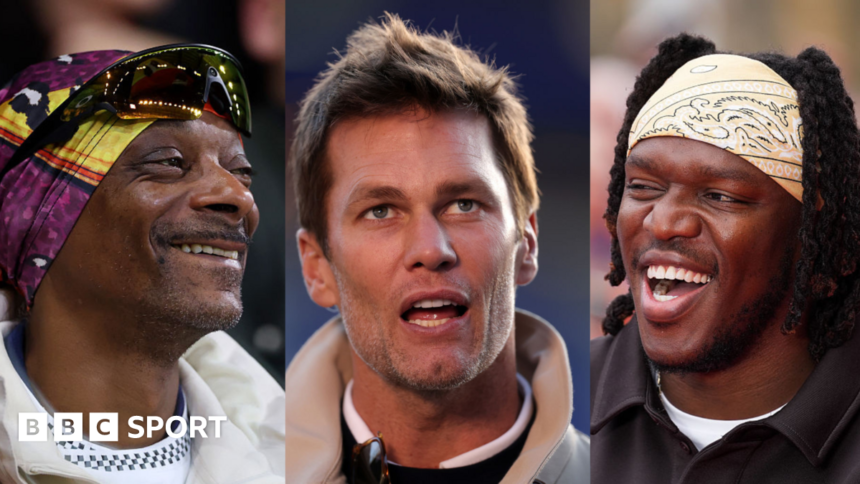
The beautiful game is undergoing a glamorous makeover. The traditional image of a football club owner—a local industrialist or a reclusive billionaire—is being rapidly supplemented by a new cast of characters from the world’s most prominent stages. When global YouTuber and entrepreneur KSI announced his purchase of a 20% stake in Dagenham & Redbridge, he didn’t just become a part-owner; he became the latest headline in a cultural shift reshaping football’s ownership landscape. From Snoop Dogg’s presence at Swansea City to Tom Brady’s involvement at Birmingham City and the Hollywood-fueled fairy tale at Wrexham, celebrities are flocking to football, particularly in England’s lower leagues. This isn’t mere vanity investment; it’s a calculated convergence of brand-building, community, and a unique form of modern fandom.
The New Playbook: More Than Just a Vanity Project
To dismiss these moves as simple celebrity vanity is to misunderstand the modern media economy. Today’s celebrity investors are, first and foremost, masterful content creators and brand architects. Their investment is rarely just financial; it’s an infusion of their personal brand, their audience, and their storytelling prowess into a club’s identity.
For figures like KSI, Ryan Reynolds, and Rob McElhenney, a football club represents the ultimate unscripted drama. It provides a perpetual, emotionally charged narrative engine—the weekly agony and ecstasy of matchdays, the transfer sagas, the community stories—that is perfectly suited for the content-hungry world of social media and streaming platforms. The club becomes a character in their broader media empire, generating authentic stories that resonate far beyond the traditional sports fanbase.
The motivations are multifaceted:
- Brand Synergy and Expansion: A football club offers a tangible, community-rooted asset that can align with and elevate a celebrity’s existing ventures. It’s authentic marketing on a grand scale.
- Content Goldmine: The inherent drama of sport provides endless material for documentaries, social media clips, and cross-promotional opportunities, as seen spectacularly with the “Welcome to Wrexham” series.
- Legacy Building: Moving beyond fleeting fame, owning a club offers a chance to create a lasting, physical legacy and to be remembered for more than one’s primary craft.
- Passionate Investment: While business savvy is key, many express a genuine, if newly discovered, love for the sport and the unique culture of football clubs.
The Wrexham Blueprint: A Case Study in Modern Alchemy
The transformative impact of celebrity ownership is no longer theoretical; it has a blueprint, and its name is Wrexham. The takeover by Ryan Reynolds and Rob McElhenney did something revolutionary: it applied Hollywood-level narrative and marketing to a National League club. They understood that the product wasn’t just the 90 minutes on the pitch, but the story surrounding it.
Their approach masterfully blended authentic engagement with strategic commercial genius. They didn’t just invest in players; they invested in the stadium, the community, and most importantly, the club’s global story. The Disney+ documentary series created an emotional gateway for millions worldwide to become invested in Wrexham’s fate, turning local matches into globally followed events. This model proved that a club’s commercial value could be decoupled from its league position through the power of modern media. It’s a playbook that KSI at Dagenham & Redbridge and others are undoubtedly studying closely, dreaming of replicating that alchemy of community spirit and global appeal.
Fan Reception: From Skepticism to Cautious Optimism
The initial reaction from a club’s loyal supporter base to a celebrity owner is often a complex mix of excitement, skepticism, and protective anxiety. Fans, the true custodians of a club’s soul, rightly question whether these new owners understand the weight of the legacy they are buying into. Is this a serious long-term project, or a passing fad?
However, the reception to figures like Snoop Dogg at Swansea and Brady at Birmingham demonstrates a path to acceptance. Authentic engagement is the key currency. When Snoop Dogg genuinely embraced the club’s culture, appearing at matches and engaging with fans, the skepticism melted into a warm welcome. Similarly, Tom Brady’s focus on performance and brand prestige, while met with initial scrutiny, brings a level of sporting excellence that fans can respect.
The critical factor is demonstrating commitment that goes beyond a press release. Fans demand:
- Transparency and Communication: Clear plans for the club’s sporting and financial future.
- Community Respect: An understanding that the club is a community pillar, not just a business asset.
- Sporting Ambition: Investment that translates to progress on the pitch, not just in social media metrics.
When these boxes are checked, as they largely have been at Wrexham, celebrity ownership can create an unprecedented wave of optimism and global support.
The Future of Football Ownership: Predictions and Implications
This trend is not a bubble; it’s a fundamental recalibration of football club value. We are moving from a model where value was purely dictated by league position and broadcast revenue, to one where brand narrative, content potential, and global engagement are premier assets. This has profound implications for the future of the sport.
First, we will see a continued rush of celebrity and influencer investment into lower-league and non-league clubs. These clubs represent a relative bargain with immense “story equity” – their underdog status is a powerful narrative tool. Second, the very definition of a “football club” will expand. They will become multifaceted media entities, producing their own documentaries, entertainment content, and global fan experiences year-round.
However, challenges loom. Not every celebrity-led project will be a Wrexham. The risk of mismatched expectations, a lack of football expertise, or a short attention span is real. The football pyramid could also become increasingly polarized between clubs with global celebrity appeal and those without, creating a new financial divide based on storytelling power rather than just results.
The influx of celebrities into football boardrooms is far more than a publicity stunt. It is a sign of the times—a recognition that in the 21st century, cultural capital and narrative power are currencies as valuable as television rights. For the celebrities, it offers a unique, community-anchored legacy. For the clubs, it offers a rocket boost of global relevance and commercial potential previously unimaginable. And for fans, it offers both thrilling possibility and a need for vigilant stewardship. The final whistle on this trend is a long way off; in fact, the game, and the business of football, has only just begun this new, star-studded chapter.
Source: Based on news from BBC Sport.