WNIT 2026 Field Set: A Tournament Redefined and Ready for a Spotlight
The landscape of postseason women’s college basketball continues to evolve, and on Sunday, March 15, the next chapter was written. The field for the 2026 Women’s National Invitation Tournament (WNIT) was officially set, marking the beginning of a distinct and compelling path for 48 programs. No longer the premier alternative to the Big Dance, the modern WNIT has carved out a new identity—one built on opportunity, resilience, and high-stakes basketball for teams on the rise. As the first tip-off approaches on March 19, this tournament promises a unique blend of heartbreak, hope, and hardwood drama, culminating in a championship clash on April 4.
The New WNIT: A Tournament Transformed
To understand the 2026 WNIT field, one must first acknowledge its seismic shift in the postseason hierarchy. The creation of the WBIT (Women’s Basketball Invitation Tournament) three years ago by the NCAA fundamentally altered the ecosystem. The WBIT, with its direct NCAA backing and automatic qualifiers, effectively became the clear second-tier event. This repositioned the long-standing WNIT, now owned and operated by Triple Crown Sports, into a distinct third tier.
This isn’t a story of decline, but rather of redefinition. The WNIT has adapted with a novel and compelling selection criterion. Automatic bids are awarded to teams that earned a No. 2 seed in their respective conference tournaments but ultimately fell short of both the NCAA and WBIT fields. This rule creates a fascinating subset of contenders: powerhouse mid-majors who dominated the regular season but suffered a shocking upset in their conference tournament, and teams from larger conferences who were on the bubble but saw their hopes dashed in the semifinals. The rest of the 48-team field is filled with at-large selections, ensuring a deep and competitive bracket.
The implications are significant:
- It rewards regular-season consistency even in the face of postseason misfortune.
- It provides a national platform for programs that are building but not yet at NCAA Tournament level.
- It ensures every game, from the first round to the April 4 final, features teams with something to prove.
Analyzing the 2026 Field: Stories of Resilience and Revenge
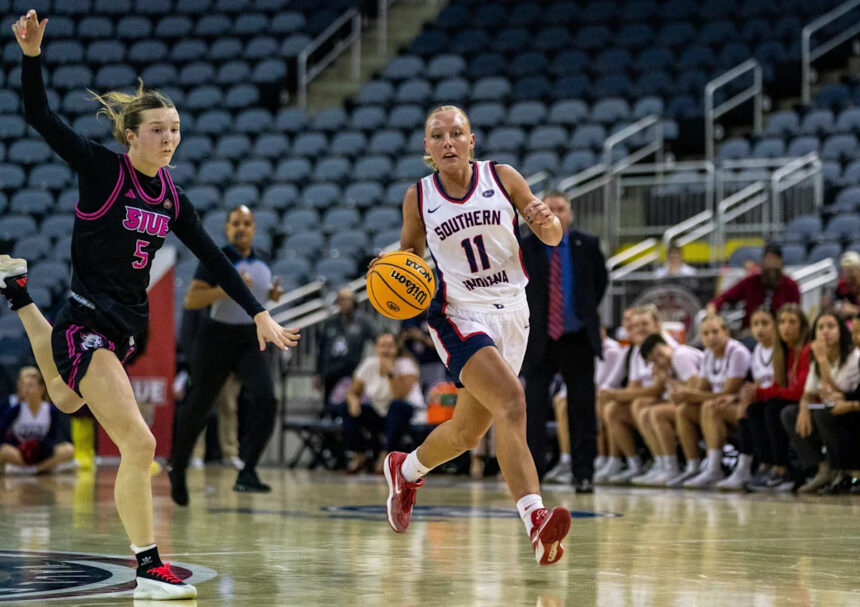
This year’s field is a tapestry of “what could have been” and “what still can be.” The automatic qualifier rule brings in a host of compelling narratives. Consider the case of a team like the University of Southern Indiana Screaming Eagles, whose story is emblematic of this new WNIT path. As reported, USI’s women’s basketball team saw its Ohio Valley Conference tournament run end in the semifinals. For a program that may have been a two-seed, this automatic bid is a crucial consolation—a chance to extend the season, gain invaluable national tournament experience, and build momentum for the future.
Beyond the auto-bids, the at-large pool is rich with intrigue. Look for power-conference schools that finished strong in the second half of league play but dug an early-season hole too deep to escape. These teams, often boasting superior size and athleticism, will face hungry mid-majors who play with a cohesive, system-driven style. The first-round matchups, played on campus sites, are ripe for upsets. The tournament structure, which reseeds after each round, ensures the best teams eventually collide, setting the stage for a thrilling month of basketball where program legacy and future recruiting are tangible stakes.
Predictions and Teams to Watch
Forecasting a 48-team tournament is a challenge, but certain profiles tend to excel in the WNIT’s unique environment. Success often favors:
- Experienced, guard-led teams: Guard play becomes paramount in tournament settings, especially on the road. Teams with veteran ball-handlers and shooters can weather hostile environments.
- Programs with a recent taste of success: Squads that played in the NCAA or WBIT last year and are reloading have a maturity advantage. They understand the focus required for a prolonged postseason run.
- The “Snubbed” Two-Seeds: Those automatic qualifiers who felt they were a basket away from the NCAA Tournament often play with a potent chip on their shoulder. Their pain can fuel a deep run.
While specific matchups will dictate the path, the team that lifts the trophy on April 4 will likely be one that embraces the WNIT for the opportunity it is, not the tournament it isn’t. The champion will be a program that sells out its home games, thrives on the road, and views every contest as a statement. Watch for a battle-tested mid-major from a conference like the Missouri Valley, West Coast, or Atlantic 10 to make a serious push, potentially facing off against a motivated squad from a “Power” conference looking to salvage pride and build for next year.
Conclusion: More Than a Consolation Prize
The 2026 WNIT is not a shadow of its former self; it is a tournament reinvented for a new era. In a world with the WBIT and NCAA Tournament, the WNIT has smartly specialized. It has become the ultimate tournament for the aspirational class of women’s college basketball—teams that are knocking on the door of the national conversation. For fans, it offers a purer form of competition, where the love of the game and the desire to compete for a national championship, any national championship, is palpable.
From March 19 to April 4, 48 teams will embark on a journey that tests depth, character, and resolve. They will play for their seniors, for their communities, and for the tangible proof that progress is being made. The WNIT championship trophy represents a monumental achievement—a testament to a team that navigated a unique and challenging path and finished the season as winners. The field is set. The new era of the WNIT is here, and it is ready to crown a champion forged in the fires of adaptation and ambition.
Source: Based on news from Yahoo Sports.