Yankees’ Cam Schlittler’s Spider Encounter: A Tale of Phobias, Focus, and Clubhouse Culture
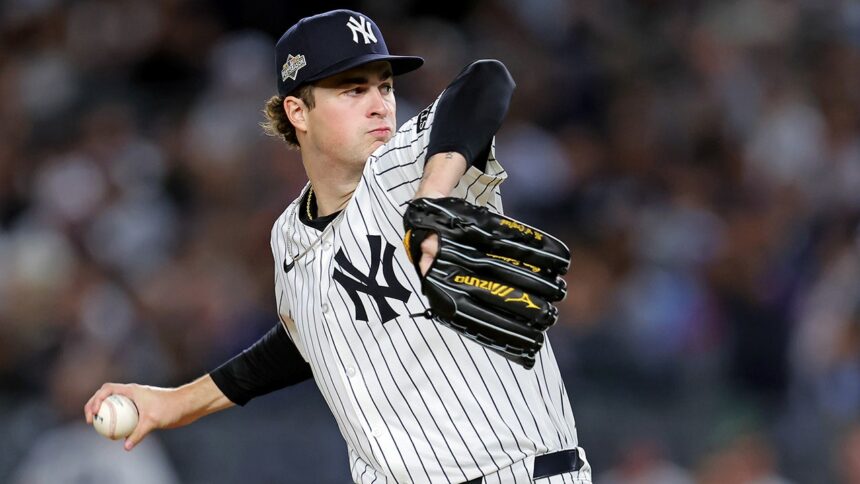
In the high-stakes, meticulously controlled world of a Major League Baseball clubhouse, routines are sacred. From pre-game meals to specific stretching rituals, players cling to habits that provide a sense of order amidst the chaos of a 162-game season. For New York Yankees pitching prospect Cam Schlittler, that sense of order was recently upended not by a formidable opposing lineup, but by an eight-legged intruder. The incident, in which Schlittler summoned stadium security to remove a spider from his locker, is more than a quirky anecdote; it’s a window into the very human anxieties that exist behind the superstar personas, and a timely reminder of the diverse pressures intersecting with the sports world today.
More Than a Joke: The Serious Science of Arachnophobia
To the casual observer, a professional athlete calling for backup against a tiny arachnid might seem humorous. But for a significant portion of the population, this reaction is a genuine and distressing response to a deep-seated anxiety disorder. Arachnophobia is one of the most common specific phobias globally. According to the National Institutes of Health, it affects between 2.7-6.1% of people. The fear can trigger severe panic attacks, sweating, rapid heart rate, and an overwhelming feeling of dread—hardly the ideal pre-game mindset for an athlete preparing to face Major League hitters.
The incident occurred at the Yankees’ spring training complex in Tampa, Florida, a hotspot for several common spider species. The most frequent unwelcome guests in the region include:
- Wolf Spiders: Ground hunters known for their speed and size, often causing alarm.
- Garden Spiders: Recognizable by their orb-shaped webs and striking patterns.
- House Spiders: The typical web-weavers found in quiet corners of buildings.
While most are harmless, their presence can be paralyzing for someone with the phobia. Schlittler’s decision to call security, rather than attempting to brazen it out, reflects a pragmatic approach to mental preparedness. Eliminating a powerful distraction, regardless of its origin, is a professional move.
Clubhouse Dynamics and the Modern Athlete’s Mindset
How a player’s peers and organization handle such a moment speaks volumes about team culture. In decades past, a rookie’s fear might have been met with relentless hazing or ridicule. In today’s game, which increasingly prioritizes mental health and performance psychology, the response is likely more nuanced. A supportive clubhouse would recognize the incident for what it is: a non-baseball variable that could impact a player’s focus and well-being.
For a young pitcher like Cam Schlittler, vying for attention and a future spot in a loaded Yankees rotation, maintaining laser focus is paramount. The ability to identify and remove stressors—whether a mechanical flaw in his delivery, a nagging thought, or an arachnid in his cleats—is part of the job. This incident subtly highlights the psychological resilience required beyond physical talent. It also humanizes athletes in an era where they are often seen as mere statistical avatars. They carry the same irrational fears as anyone else, even while performing under the brightest lights.
A Broader Landscape: Sports, Politics, and Pressing Issues
Interestingly, the spider saga emerges against a backdrop where the New York Yankees’ front office is engaged with issues on a much larger scale. Yankees President Randy Levine recently joined ‘Fox & Friends’ to discuss a roundtable discussion with President Donald Trump addressing pressing issues in college sports. Topics on that table, such as name, image, and likeness (NIL) rights, athlete compensation, and the structure of the NCAA, represent the macro-level challenges and power dynamics shaping athletics.
The juxtaposition is striking: while the organization’s leadership navigates complex political and economic discussions at the highest levels of sport, the day-to-day reality for players can include battles with primal fears. This spectrum—from geopolitical sports policy to a spider in a locker—encapsulates the modern sports experience. It’s a reminder that the game is played not by robots, but by individuals who exist at the intersection of immense pressure, personal psychology, and, occasionally, unexpected wildlife.
Predictions: From Viral Moment to Lasting Narrative
So, what does this mean for Cam Schlittler and the Yankees moving forward?
- The Narrative Hook: Should Schlittler ascend to the major leagues, this story will resurface as a beloved, humanizing origin tale. Broadcasters will reference it during his debut, and it will become a staple of his player profile, endearing him to fans.
- Team Chemistry Test: The handling of the incident internally will either strengthen team bonds through lighthearted support or, if mismanaged, create an unnecessary distraction. The Yankees’ mature clubhouse culture suggests the former.
- Mental Performance Focus: This event underscores the importance teams now place on comprehensive performance support. Don’t be surprised if it leads to more open conversations about managing all forms of anxiety and distraction among players.
- Brand Opportunities: In a lighter vein, savvy pest control companies in Tampa or New York might already be drafting endorsement pitches to the young pitcher.
Conclusion: The Heart of the Game is Human
Cam Schlittler’s spider encounter is a perfect, quirky microcosm of professional sports. It touches on the science of fear, the evolution of clubhouse culture, the importance of mental focus, and the human stories that statistics can never capture. While Randy Levine and baseball executives debate the future of athletics in boardrooms and on news segments, the players themselves are dealing with the immediate, visceral challenges of their craft—both on the mound and in their own heads.
Ultimately, the tale transcends the spider. It’s about preparedness. Just as a pitcher must scout hitters and manage his pitch count, he must also manage his environment and his mind. By removing the eight-legged distraction, Schlittler wasn’t showing weakness; he was executing a pre-game plan for optimal performance. In a sport obsessed with eliminating variables, he simply handled an unscripted one with decisive, if unconventional, action. And in doing so, he provided a reminder that before they are athletes, they are human—and sometimes, being human means knowing when to call in the cavalry, even if the enemy is barely an inch long.
Source: Based on news from Fox Sports.