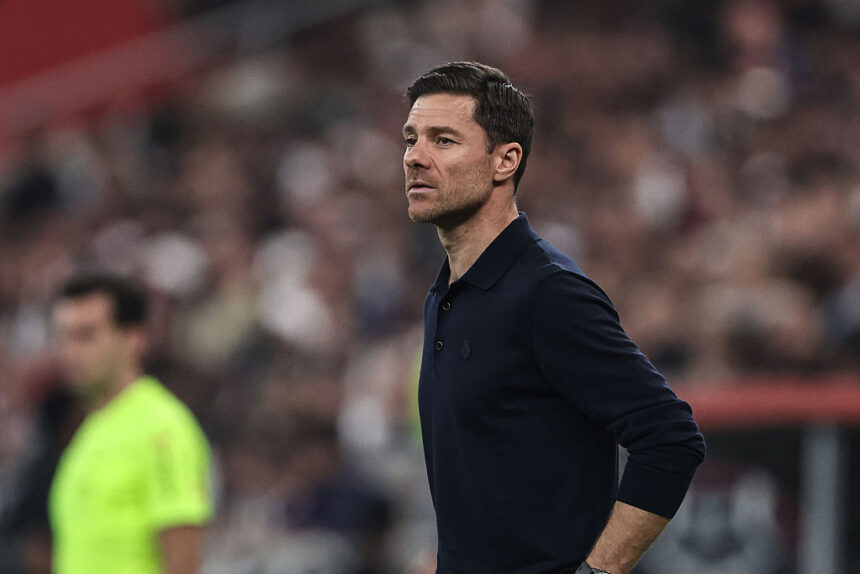
Real Madrid and Xabi Alonso Part Ways: The End of a Short-Lived Era
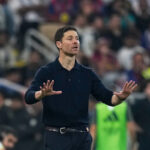
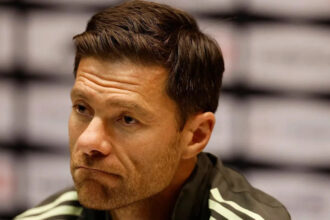
In a move that reverberates through the foundations of European football, Real Madrid C.F. has officially confirmed the departure of head coach Xabi Alonso. The club’s terse statement, citing a “mutual agreement,” brings a sudden and definitive close to a tenure that began with immense promise but has unraveled with startling speed. This decision, coming on the heels of a demoralizing Supercopa de España defeat to arch-rivals Barcelona, marks a seismic shift in the capital and signals the start of another high-stakes chapter for the Merengues. The Alonso project, built on the legacy of a club legend, has collapsed under the weight of internal discord and unmet sporting expectations, leaving more questions than answers in its wake.
A Dream Appointment Sours: From Homecoming to Heartbreak
When Xabi Alonso returned to the Santiago Bernabéu dugout, it was heralded as a poetic homecoming. The former midfield metronome, revered for his intelligence and grace, was seen as the ideal figure to blend the club’s storied history with a modern tactical vision. His early months showed flashes of his philosophy—a focus on controlled possession and structured buildup. However, the sporting results have not been coming with the consistency demanded by the Madridismo creed. Sitting off the pace in La Liga and with the defeat in El Clásico in the Supercopa serving as a brutal punctuation, the board’s patience evaporated. The narrative swiftly shifted from a long-term project to a crisis requiring immediate intervention.
The club’s statement, while gracious, cannot mask the underlying turmoil. Real Madrid expressed its “gratitude to Xabi Alonso and his coaching staff for their work, professionalism, and dedication,” a standard epitaph that belies the complex reality of recent weeks. In the ruthless ecosystem of elite football, gratitude is often the prelude to a goodbye.
Inside the Bernabéu Unrest: A Dressing Room Divided
Beyond the scorelines, the most damning reports centered on a fractured squad. For several weeks now, the coach has been under criticism, with a primary source being a discontented dressing room. Alonso’s demanding tactical instructions and his intense, sometimes detached, managerial style reportedly clashed with the personalities of a star-laden squad.
- Rumors of constant clashes with Vinicius Jr. became a persistent and damaging subplot. The Brazilian winger, a talismanic figure, was said to be frustrated with tactical constraints and what he perceived as excessive criticism from the coach.
- A perceived lack of man-management, contrasting with the paternal approach of Carlo Ancelotti, alienated key veterans and emerging stars alike.
- The dressing room is not happy with him, creating a palpable tension that translated into disjointed, uninspired performances on the pitch.
At Real Madrid, controlling the locker room is as crucial as controlling the midfield. When a coach loses that vital battle, his position becomes almost untenable, regardless of his pedigree. Alonso, for all his tactical acumen, could not secure the unwavering loyalty of his players, a fatal flaw in the pressure cooker of the Bernabéu.
The Catalysts of Collapse: El Clásico and the Trophy Drought
The official reasons for the split will be framed as strategic differences, but the catalysts are clear and competitive. The defeat in El Clásico was not just another loss; it was a symbolic surrender. To be outplayed and outthought by Barcelona in a cup final is the ultimate sin for any Real Madrid coach. That match crystallized all the fears about Alonso’s project: a lack of big-game adaptability, an inability to motivate for the ultimate fixture, and a worrying gap to their eternal rivals.
This final blow came amidst a growing list of disappointments:
- Failure to maintain a commanding lead in La Liga, with the title race now wide open.
- An inconsistent and often predictable style of play that made the team vulnerable to high-pressing opponents.
- The growing pressure from a fanbase and media ecosystem that tolerates transition only if it is accompanied by trophies and victories over Barcelona.
In the end, Barça delivered the final blow in the Supercopa, but the foundation had been cracking for months. The board, led by Florentino Pérez, is not known for sentimentality in the face of a trophy drought and institutional instability.
What’s Next for Real Madrid and for Alonso?
The immediate aftermath of this decision plunges Real Madrid into a familiar state of high-stakes transition. The search for a successor will dominate headlines, with names like Raúl González (Castilla coach), Antonio Conte, and even a potential sensational return for Carlo Ancelotti already being circulated. The new appointee will face the immediate task of reuniting a splintered squad, reigniting their challenge for La Liga and the Champions League, and managing the egos and expectations of a global superstar roster.
For Xabi Alonso, this is a profound personal and professional setback, but not necessarily a career-ender. His stock, while diminished, remains based on the potential he showed earlier in his coaching journey. He may benefit from a period of reflection and a subsequent project away from the blinding glare of a superclub. A return to a club like Real Sociedad, Bayer Leverkusen, or another side where he can build more methodically could be the necessary next step.
Predictions for the Immediate Future:
- A swift, likely internal (Raúl) or experienced (Conte) appointment to steady the ship.
- A crucial period in the January transfer window to address squad imbalances and potentially offload discontented players.
- An intensified scrutiny on the performances and attitudes of key players like Vinicius Jr., who will now be expected to lead the revival.
- For Alonso, a sabbatical followed by a carefully chosen project to rebuild his reputation.
Conclusion: The Unforgiving Nature of the Madrid Dream
The end of Xabi Alonso’s era at Real Madrid is a stark reminder of the club’s relentless, unforgiving nature. Legendary status as a player guarantees nothing from the manager’s office. The role requires not just tactical genius, but the diplomatic skill of a statesman, the motivational force of a general, and the thick skin of a gladiator. Alonso possessed the first in abundance but, in this instance, was found wanting in the others.
His departure, framed as mutual, is a divorce of convenience for a marriage that lost its way. Real Madrid moves on, forever forward, its eyes already fixed on the next savior, the next cycle, the next trophy. Xabi Alonso leaves with his dignity intact and the club’s gratitude, but also with the sobering lesson that at the very pinnacle of the sport, time is the scarcest commodity of all. The Bernabéu, once his home, has shown that it can be a lonely and impatient place for those who cannot command both the ball and the room.
Source: Based on news from Yahoo Sports.